A modular building quotation can look straightforward until you compare it with another supplier’s offer. Two quotations may show the same building size, similar floor plans and a similar list of materials, yet the final prices can be quite different.
The difference is often in details that are easy to miss at first: wall thickness, insulation, steel sections, electrical and plumbing scope, packing method, freight and installation support. A lower unit price does not necessarily mean a lower project cost if some of these items are excluded or specified differently.
For a large overseas order, these differences matter much more than they do for a single unit. Before comparing the numbers, it is worth checking exactly what each supplier has included in the modular building quote and which assumptions sit behind the price.
What “Standard” Actually Means on a Quote
Suppliers use the word “standard” loosely. A standard wall panel might be 50 mm thick at one factory and 75 mm at another. A steel frame may use different section thicknesses or profiles depending on the supplier and project requirements. Neither quote is necessarily wrong, but they are not the same building.
When you first see a modular building quote, look past the unit price and find the technical assumptions. Does it state the wall thickness? The insulation material? The steel grade? Whether the electrical system is pre-wired or only includes conduit runs? If a quote is one page long with a price and a floor plan, it may not tell you enough to make a meaningful comparison.
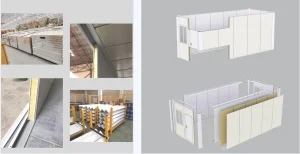
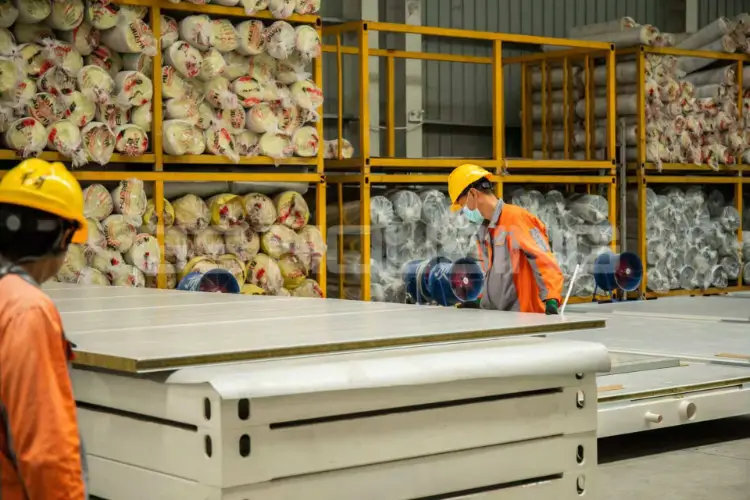
For example, the wall system on a GS Housing flat pack building uses galvanized cold-formed steel posts with sandwich panels between them. Panel thickness can be 50, 60, 75, 100, 120 or 150 mm depending on the project and climate. The insulation can be rock wool, glass wool or polyurethane, with differences in fire performance, weight and thermal properties.
Those choices affect the quotation. A thinner wall assembly may reduce material and packed weight, but the comparison should not stop at the factory price. In climates with higher heating or cooling demands, the required thermal performance may justify a different wall specification.
Roof and Floor Specifications Also Affect the Quote
The roof is another place where quotes can quietly differ. A roof assembly may look like just a metal sheet on top, but between that sheet and the interior ceiling there may be an insulation layer, a frame and, depending on the specification, an additional fire-rated layer. The thickness and material of the insulation affect both price and energy performance.
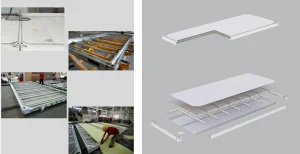
The floor follows the same pattern. A standard floor may include a finish layer, a cement board and insulation over the steel frame. If the project requires heavier flooring or higher load capacity, the floor system changes and the quotation changes with it.
None of this is obvious from a photograph or a catalogue line. The building can look almost identical from the outside even when the materials and specifications inside are different.
Steel Gauge and Structural Design Are Not Always Stated
Two suppliers may both say “galvanized steel frame” but mean different things. The actual steel thickness, section size and grade depend on what loads the building is designed for. A unit intended for a mild, low-wind region may use a different structural specification from the same building designed for higher wind or snow loads.
If the quote does not mention the steel gauge or the design loads it meets, ask. A lower-priced frame may be suitable for one location but require a different specification for your project. For large overseas projects, this is not a detail to discover after the containers arrive.
Electrical, Plumbing and Sanitary Fit-Out: Empty Shell or Ready to Use?
This is one of the common sources of differences between modular building quotations. One quote may include pre-wired lighting, sockets, distribution boxes and water piping. Another may include the same building but only the conduit runs, with electrical fixtures and plumbing left for on-site crews.
The same question applies to doors, windows and sanitary fittings. Window type, glazing, door material, bathroom fixtures and the level of factory completion can all affect the quotation. If accommodation units include complete bathrooms, specify whether the quote covers toilets, basins, showers, water heaters and related connections.
The unit price difference between these approaches can be significant. So can the on-site cost difference. If your project has limited local trades or a tight installation window, completing more work in the factory may reduce the amount of work that needs to be coordinated on site, even if the factory price is higher.
When comparing quotes, ask exactly what is factory-installed versus what the site team must complete. This includes wiring, switches, sockets, lighting fixtures, water lines, drainage and sanitary fittings.
Packaging, Freight and Installation Support Are Usually Separate
A modular building unit price is rarely the delivered project cost. Depending on the supplier and project, packaging, international shipping and installation support may be quoted as separate line items. This is normal, but it means you need to understand each piece before comparing the total cost.
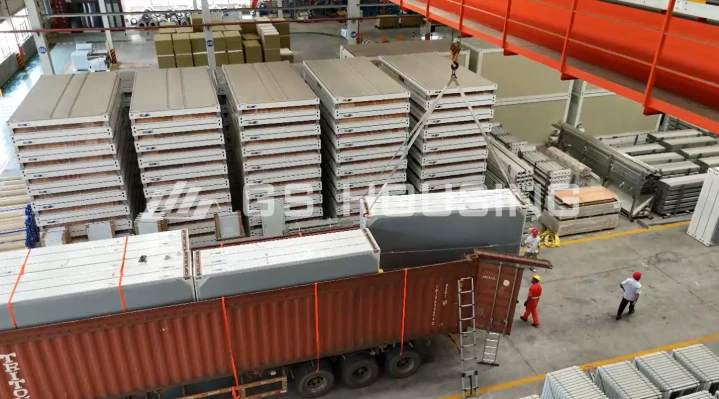
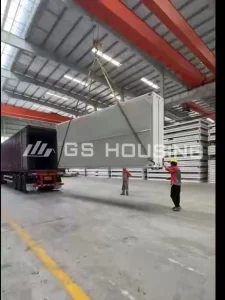
For flat-pack buildings, packing is also part of the quotation. The supplier should explain how the units are packed, what protection is included and how the packed components are arranged for shipment. Also confirm how many units can be loaded per container and whether the quoted packing configuration matches the supplier’s proposed shipping arrangement.
Installation tool kits are another item to check. The structural and envelope tools may be different from the electrical and plumbing tools. If your site crew has never assembled flat-pack buildings before, confirm whether the required tools are included or added separately.
If on-site installation guidance is required, confirm whether it is included or charged separately, and whether the quotation is based on engineer-days. The number of engineers and days required depends on the building type, crew experience, site conditions and project scale.
Spare parts should also be listed clearly. Ask the supplier to state which components are included, the quantities provided and whether additional spare parts can be ordered later.
How to Compare Modular Building Pricing Fairly
Once you have several modular building quotations, the goal is to line them up on the same basis. This does not mean forcing every supplier to use identical materials — it means understanding what each one is offering.
Ask each supplier to confirm the wall thickness and insulation material, the steel gauge and frame grade, whether electrical and plumbing are factory-installed, what packaging level is quoted, and which Incoterms apply. Also clarify whether installation manuals, tool kits or engineer guidance are included or itemized separately.
When those details are on paper, the price comparison becomes meaningful. A supplier with a slightly higher unit price may be quoting a different wall specification, a higher level of factory-installed work or a broader scope of project support. These differences can affect the total modular building cost.
For large projects, supplier references matter as much as the price. A factory that has delivered similar buildings to your region or project type may already have experience with packing for sea freight, installation sequencing and technical support after delivery. That experience can affect the total project cost, not just the unit quote — which is why it matters when choosing a modular camp supplier for a large project.
Information Needed for an Accurate Modular Building Quotation
The accuracy of a modular building quotation depends heavily on the information supplied at the start. Location, building use, quantity, dimensions, layout, specifications and delivery requirements can all affect the final price.
The most accurate quotes come from buyers who provide more than “how much for a container house.” Suppliers can only price against the information they receive, and missing specifications may result in assumptions that later need to be changed. If you are requesting a prefab building quote from several factories, give each supplier the same project information so the quotations are based on comparable assumptions.
Helpful information includes: project location and climate; building use and number of units; dimensions, layout and required wall/roof specifications; electrical and plumbing standards; delivery destination and Incoterms; and whether installation guidance is needed.
For remote or harsh-climate sites, see our guide on planning remote workforce accommodation for more detail on how location and climate shape the building specification. The required delivery schedule should also be stated early — large quantities, customized specifications and a short production window may affect factory planning, material procurement and the final quotation.
With these details, a modular building supplier can configure the building system for your project rather than sending a generic catalogue price. It also makes it much easier to compare multiple quotations on the same technical footing.
FAQ
Why can two modular building quotes have such different prices?
Usually because the scope is not exactly the same. Check the wall and roof specification, steel sections, internal fit-out, packing, freight and installation support before comparing the unit prices.
Is shipping normally included in the quoted price?
Not always. It depends on the quotation and the agreed Incoterms. Ask the supplier to separate the building price, packing and freight so you can see what you are actually comparing.
What should be included in a modular building quotation?
At minimum, the quotation should make the main building specifications and project scope clear. For a large order, also check the electrical and plumbing scope, packing arrangement, delivery terms and installation support.
Can the price change after the quotation is issued?
Yes. Changes to quantities, layouts, materials or internal fit-out can affect the price. The quotation should also state its validity period, particularly when material or freight costs may change.
What information should I send when requesting a quote?
Send the project location, building use, quantity, dimensions or layout, technical requirements, delivery destination and target schedule. If the buildings will be installed by your own team, mention that as well so the supplier can define the installation scope correctly.
Should I compare suppliers by unit price?
Unit price is useful as a starting point, but it should not be the only comparison. If one supplier includes more factory-installed work or a different wall and roof specification, the two prices are not directly comparable.
Request a Modular Building Quote
For a large project, send the supplier the basic project information before asking for a final price. The country, building use, estimated quantity, layout, technical requirements and delivery schedule are usually enough to start the discussion.
As a modular building manufacturer, GS Housing supplies flat pack modular buildings for construction, mining, energy and infrastructure projects. Our team can review the project scope and prepare a quotation covering the building specification, packing, shipping and installation support.
Send us your project location, estimated quantity and building requirements to request a modular building quote.