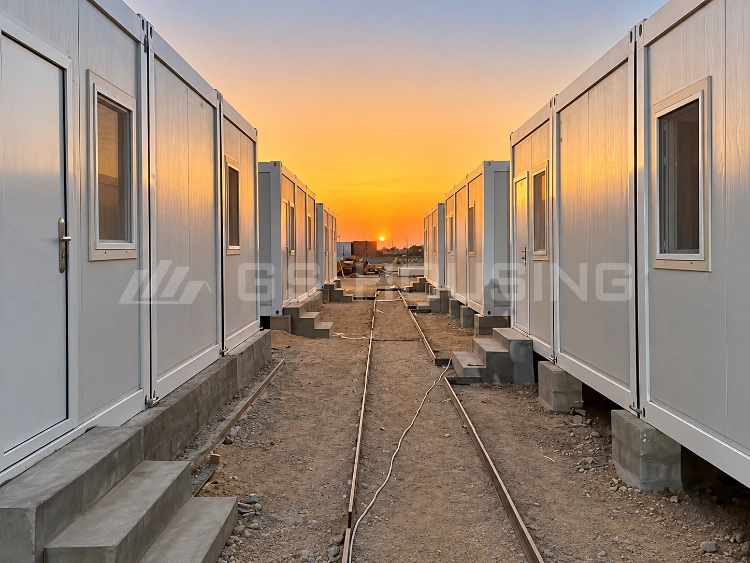
Planning a modular labor accommodation camp requires coordinated design, factory production, transport, foundations, lifting, utilities, inspections, and handover. The guide provides a practical checklist for delivering and installing the camp in sequence.
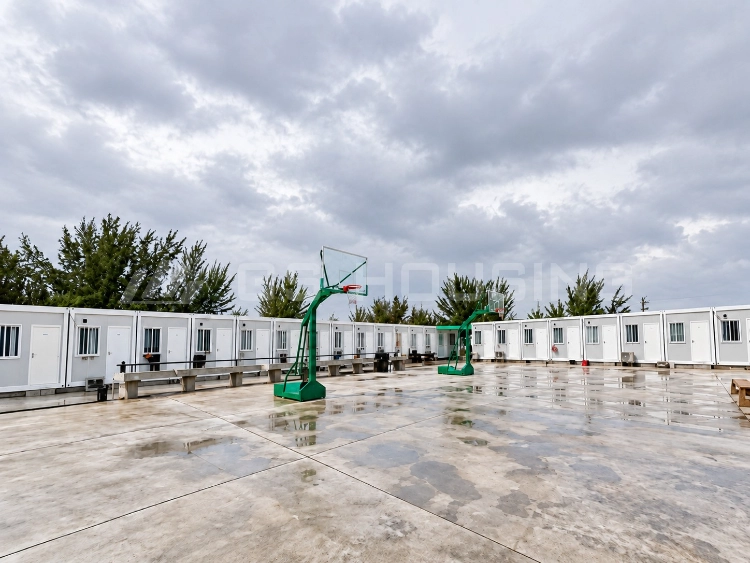
Wind-resistant prefab houses must be evaluated as a complete system. This guide covers structural connections, anchorage, drainage, waterproofing, coatings, and site conditions for severe-weather projects.
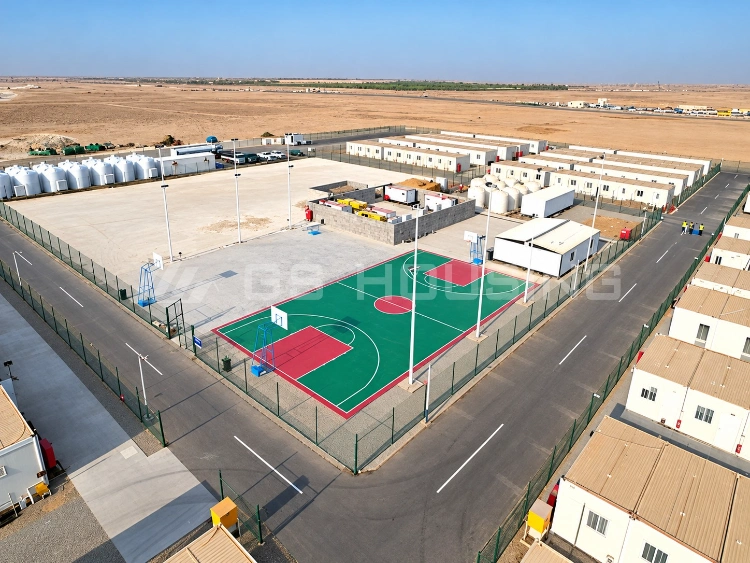
This article explains how to specify long-term worker accommodation modules, covering room layouts, sanitation, utilities, HVAC, fire safety, durability and shared facilities. It also reviews transport, installation, maintenance access and supplier support, using GS Housing systems and its Saudi Red Sea worker camp as references.
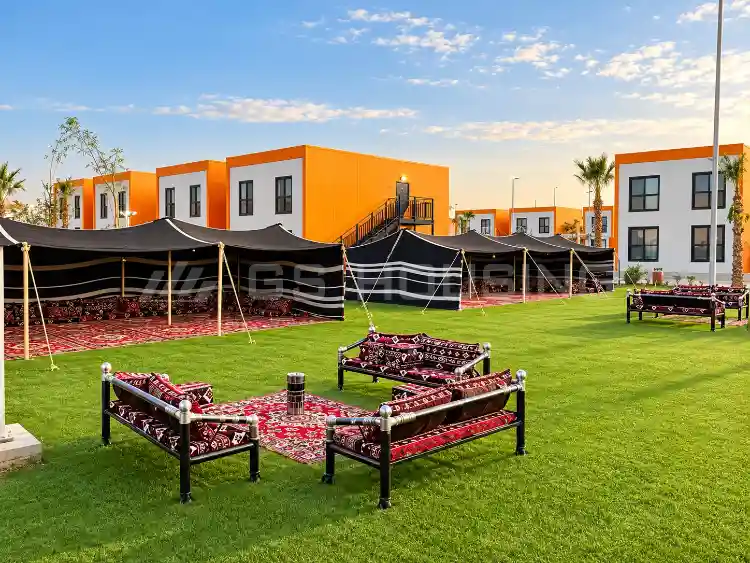
The article identifies construction camps, mining sites and workforce facilities as opportunities for modular building dealers. It explains how to assess repeat demand, functional requirements, supplier capacity, local conditions and installation responsibilities.
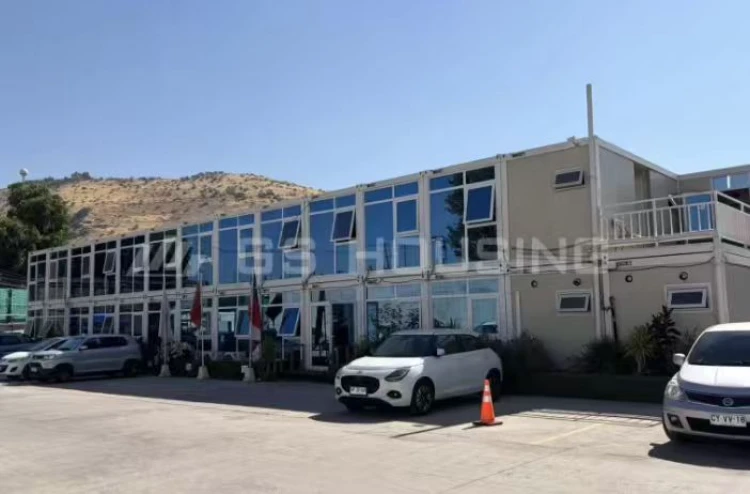
This guide explains how to budget large container house projects beyond the factory unit price, including functional modules, utilities, transport, site preparation and installation. It covers specification control, delivery sequencing and supplier support to reduce cost overruns.
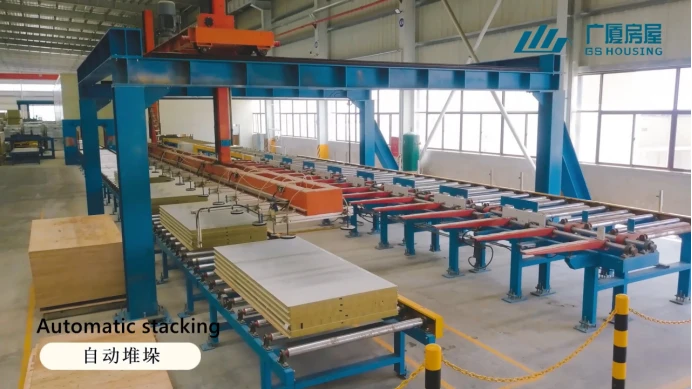
Modular construction can shorten project schedules, but lead time depends on quantity, customization, approvals and location. Learn what large project buyers should plan for.
WhatsApp/phone:+86 18928522596 Email:Ella@gshousingglobal.com




About Our Company
Follow our official social media channels to learn more about our company, latest projects, and modular container house solutions.
Contact GS Housing
Pages
© Copyright 2001 - 2026 • GS Housing | Prefab & Expandable Container House Manufacturer • All Rights Reserved
