Worker Camp Project Overview
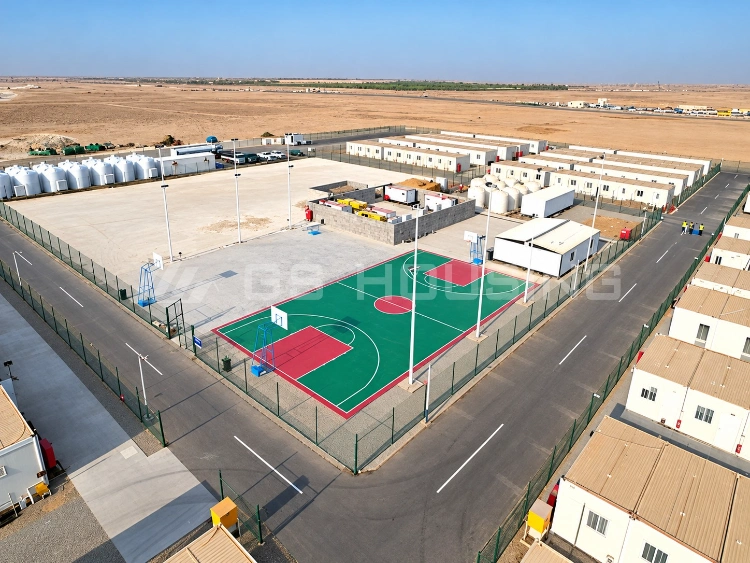
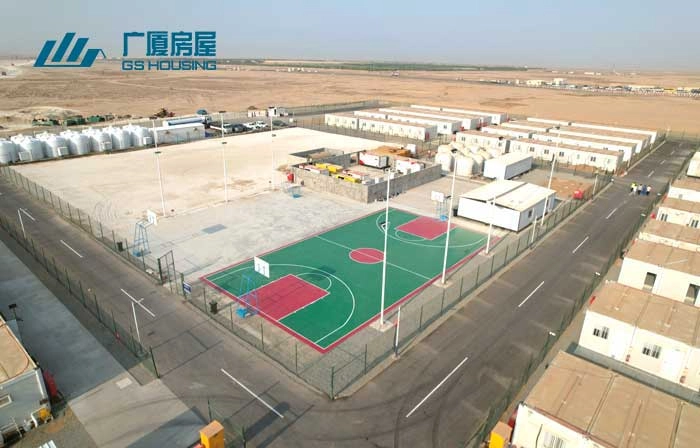
The worker camp in Saudi Arabia Red Sea project was developed to provide modular accommodation and site support facilities for construction workers in a remote desert environment. The project is located in the Shebara area of Saudi Arabia, where construction teams needed practical living, working, sanitation, and dining facilities close to the project site.
This project was not only about providing temporary sleeping rooms. It required a modular camp system that could support worker dormitories, site offices, toilets, bathrooms, canteens, and related daily functions. For a remote Red Sea construction site, these facilities help workers stay near the work area while allowing the project team to manage daily site operation more conveniently.
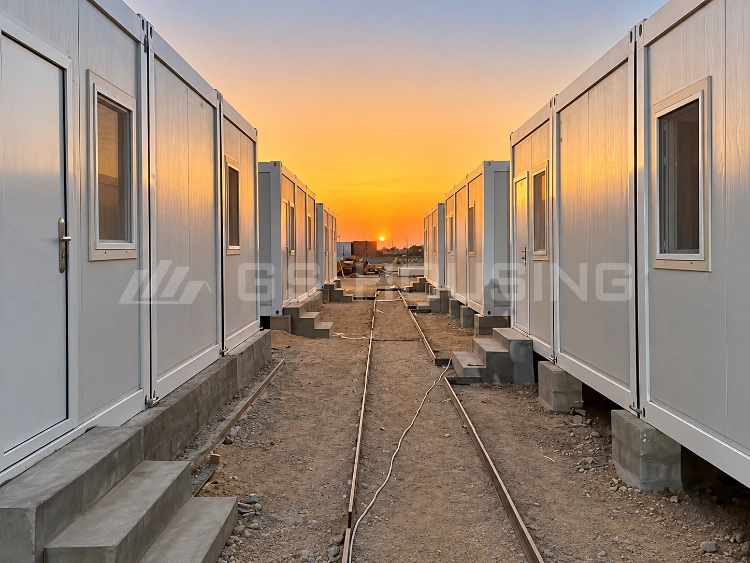
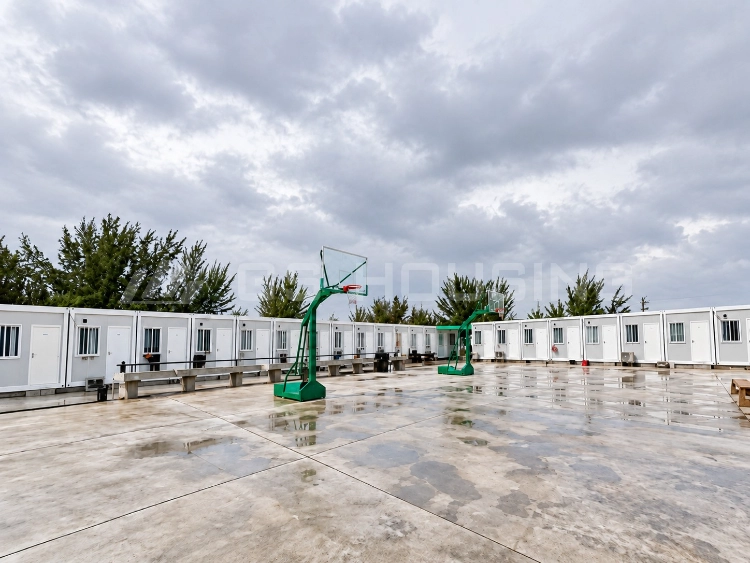
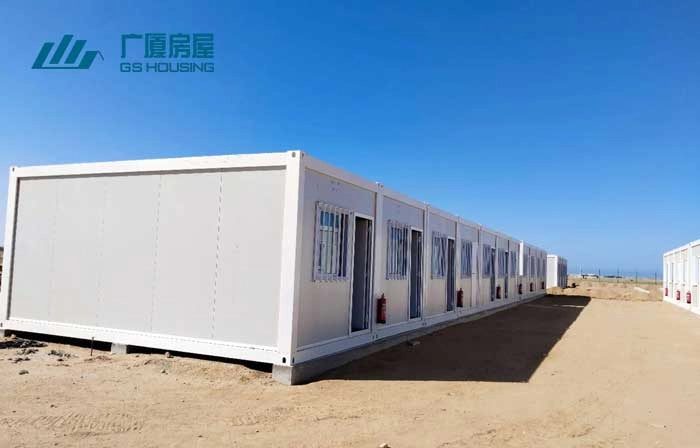
GS Housing provided modular container buildings for this project, including flat pack container houses and porta cabins. These units were arranged to form a temporary construction camp with accommodation, office, sanitation, and dining functions. The project shows how modular building systems can support worker accommodation needs in Saudi Arabia’s Red Sea region.
Project Facts
- Project Name:Saudi Arabia Red Sea Worker Camp Project
- Location:Shebara, Saudi Arabia
- Project Type:Modular worker camp
- Products Used:Flat pack container house / porta cabin
- Application:Worker dormitory, site office, toilet, bathroom, canteen
- Structure Material:Galvanized steel structure
- Wall Panel:75mm sandwich panel
- Fire Rating:Class A fireproof
- Design Life:20 years
- Installation Type:Fast modular assembly
- Supplier:GS Housing
These project facts show that the Red Sea worker camp is a modular accommodation project with both living and working functions. It was planned to support construction workers in a remote Saudi Arabia project environment where dormitory space, office use, sanitation, and dining facilities were all needed.
Red Sea Construction Site Requirements
Red Sea Construction Site Requirements
The Red Sea coastal region has environmental and site conditions that affect construction camp planning. The project page mentions strong sunlight, high temperature, desert winds, sandstorms, and remote construction conditions. These factors create practical requirements for the building system, material selection, installation method, and daily camp operation.
For a worker camp in this type of environment, building performance is important. Dormitory rooms need to provide usable indoor conditions. Site offices need to support daily management work. Toilets, bathrooms, and canteens need to remain practical for workers during the project period.
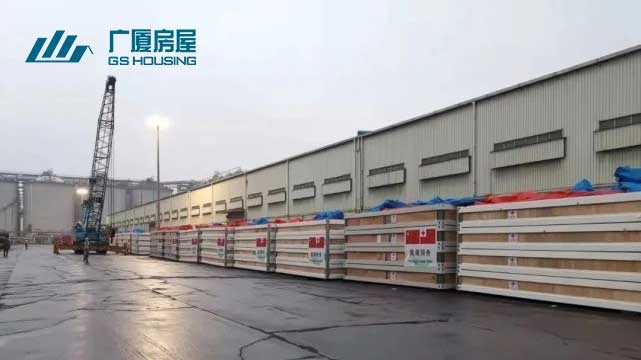
The remote location also creates transportation and installation challenges. Bringing traditional construction materials to the site may increase time and labor requirements. Modular container buildings help reduce part of this pressure because the main components are produced before arriving on site and then assembled after delivery.
Modular Dormitory and Site Office Arrangement
Worker dormitories are one of the main functions of this worker camp. Construction workers need accommodation close to the work area, especially when the project site is far from existing housing resources. Modular dormitory units can provide practical living space for workers during the construction period.
The site office area supports project management, document handling, engineering coordination, and communication between site teams. For remote projects, having offices inside the camp can make daily decision-making and coordination more convenient.
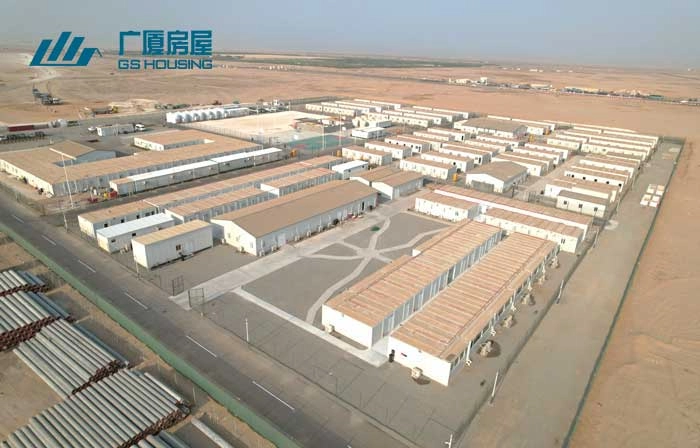
The flat pack container house and porta cabin system allows dormitory units, office units, toilet modules, bathroom modules, and canteen buildings to be arranged according to actual site needs. This gives the project team a more organized camp layout instead of scattered temporary buildings.
Toilets, Bathrooms and Canteen Facilitiesv
Toilets, Bathrooms and Canteen Facilitiesv
A construction worker camp needs more than accommodation buildings. Toilets, bathrooms, and canteens are also necessary for daily use. In this project, these supporting facilities were included as part of the camp application scope.
Toilet and bathroom modules support basic hygiene needs for workers. This is especially important in remote construction areas where public infrastructure may not be available nearby. A canteen provides meal service inside the camp, reducing the need for workers to leave the site for food.
By combining dormitories, offices, toilets, bathrooms, and canteens, the Red Sea worker camp can function as a temporary living and working base for construction workers. This arrangement helps make daily operation more manageable during the project period.
Material System for Desert Camp Use
Material System for Desert Camp Use
The project uses modular container buildings with galvanized steel structures and 75mm sandwich wall panels. These materials help the buildings respond to the site’s climate and use requirements.
The galvanized steel structure provides the main building frame. The sandwich wall panel system supports enclosure and insulation. The project page also lists Class A fireproof performance and a 20-year design life, which are relevant for worker accommodation projects where safety, durability, and maintenance are important considerations.
For a Red Sea worker camp, material performance should be considered together with site operation. Buildings need to support daily use under hot weather, desert wind, and remote construction conditions. The modular construction system helps provide a more controlled production process before the units are delivered to the site.
Fast Modular Assembly and Site Deployment
Fast Modular Assembly and Site Deployment
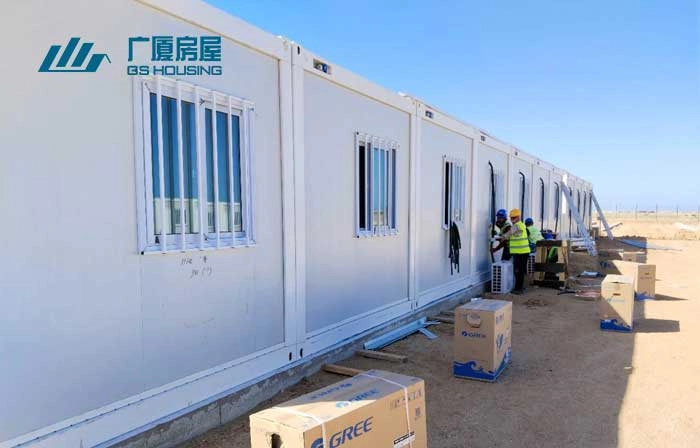
Fast modular assembly is one of the key features of this worker camp project. The flat pack container house and porta cabin system is designed for factory production, transportation, and on-site installation.
For remote construction sites, this method can help reduce the amount of work that needs to be completed on site. After delivery, the units can be installed and arranged into dormitory buildings, site offices, toilets, bathrooms, and canteens according to the camp plan.
This installation method is suitable for projects that need accommodation and office facilities within a controlled timeframe. It also allows the camp layout to be adjusted according to site conditions and workforce needs.
Camp Operation and Worker Daily Use
Camp Operation and Worker Daily Use
The Red Sea worker camp was planned to support workers’ daily routines during the construction period. Workers need places to sleep, wash, eat, and access basic services after work. Site managers also need office space to coordinate construction activities.
When these functions are arranged within one modular camp system, daily site management becomes easier. Workers can stay close to the construction area, while project teams can coordinate work from the site office. Toilets, bathrooms, and canteens help support basic living needs inside the camp.
For remote construction projects, this kind of planning can improve the usability of temporary facilities. It helps create a more organized environment for both workers and management teams.
GS Housing Project Role
GS Housing Project Role
GS Housing supplied modular container buildings for the Saudi Arabia Red Sea Worker Camp Project. The company provided flat pack container houses and porta cabins used for worker dormitories, site offices, toilets, bathrooms, and canteen buildings.
The project reflects the application of GS Housing modular building solutions in a remote Middle East construction site. The company’s role was connected to product supply, modular camp configuration, and support for worker accommodation needs in the Red Sea project environment.
By using modular units, GS Housing helped create a camp system that could serve both living and working functions for the construction team.
Project Significance
Project Significance
The Saudi Arabia Red Sea worker camp project shows how modular container buildings can support remote construction projects. The camp provides worker dormitories, site offices, toilets, bathrooms, and canteens, forming a temporary accommodation and site support system near the project area.
The project also reflects the practical requirements of construction camps in Saudi Arabia’s Red Sea region, including heat resistance, corrosion resistance, fast installation, and flexible layout. Through flat pack container houses and porta cabins, the camp can be arranged according to project workforce needs and site conditions.
For construction projects in remote desert or coastal areas, this type of worker camp can provide a practical site accommodation solution during the construction period.