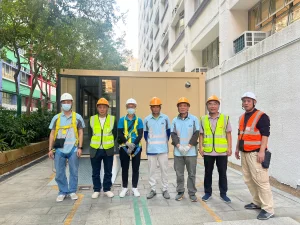
У грудні 2025 року компанія GS Housing надала підтримку проекту зі створення аварійних навчальних класів у районі Тай-По в Гонконзі після пожежі в житловому комплексі «Ван Фук Корт», що сталася 26 листопада. У рамках цього проекту для Тай-По Баптистської державної школи було облаштовано два тимчасові класи для занять; ці класи були побудовані на території Тай-По державної початкової школи, де учні тимчасово відвідували заняття.
Проєкт було започатковано після того, як 1 грудня було виявлено, що школі потрібні додаткові приміщення для класів, а завершення будівництва класів заплановано на 15 грудня.
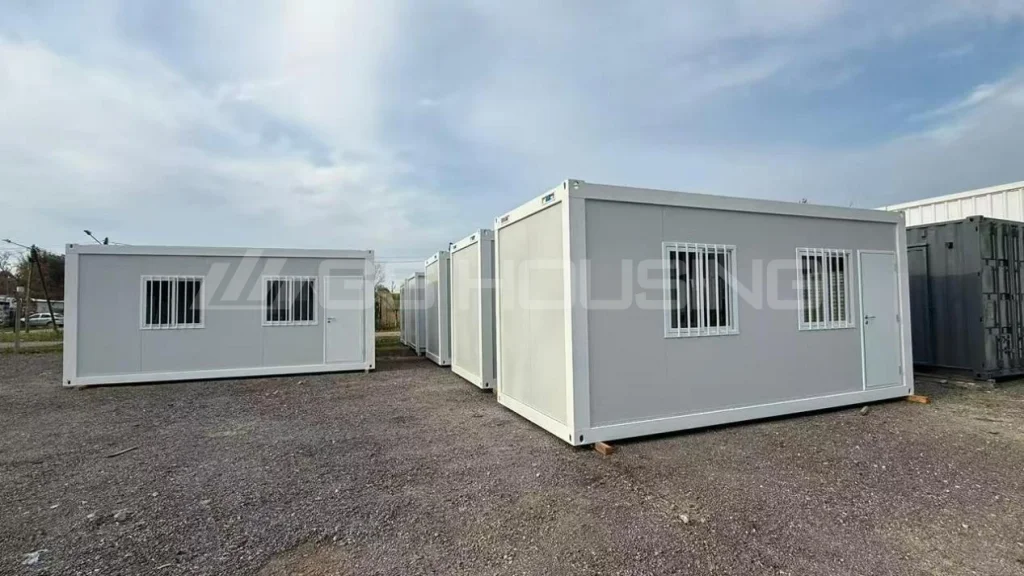
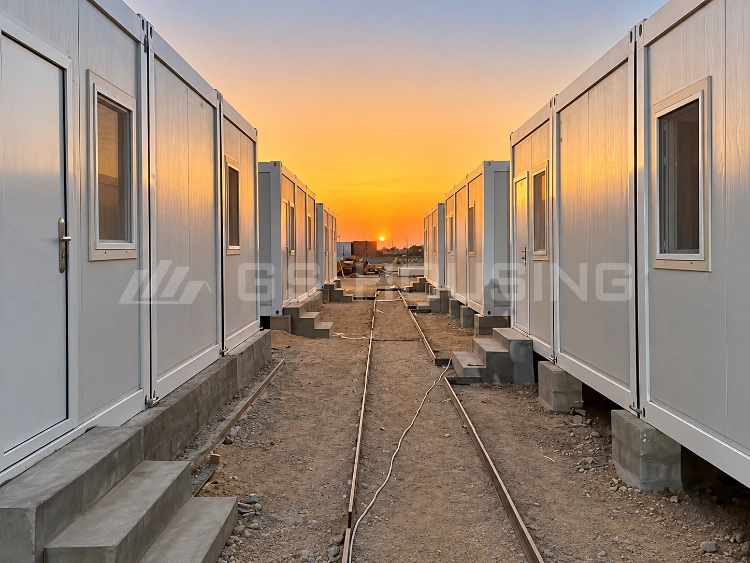
Компанія GS Housing поставила шість стандартні модульні блоки для цього проєкту. Елементи були виготовлені на заводі перед транспортуванням на будівельний майданчик, а монтаж на місці було завершено протягом трьох днів. Разом із трьома днями заводської обробки основний процес будівництва зайняв загалом шість днів.
Будівництво класних кімнат було завершено ввечері 14 грудня, на один день раніше запланованого терміну.
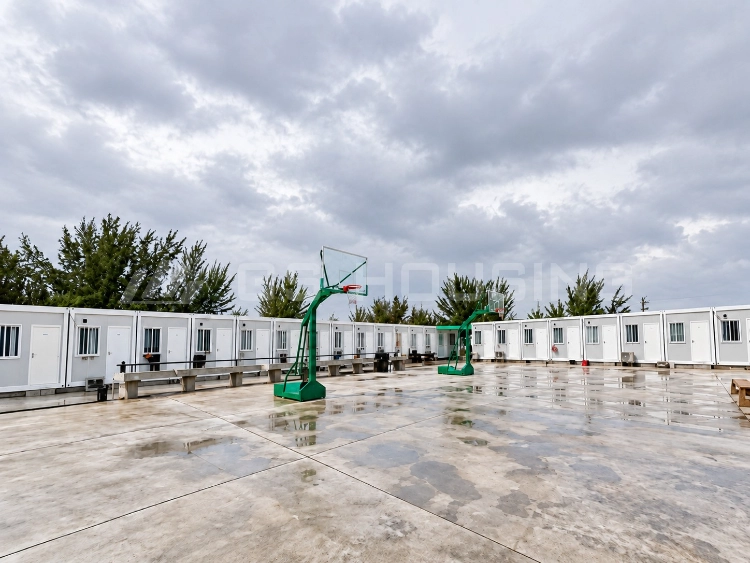
Цей проєкт демонструє, як швидкомонтована модульна шкільна будівля Такий підхід дозволяє скоротити термін будівництва на місці, при цьому основні виробничі роботи виконуються в контрольованих заводських умовах — це є важливою перевагою, коли потрібно створити додаткові приміщення для навчальних класів у дуже стислі терміни.
Огляд проєкту
| Позиція | Деталі |
| Рік реалізації проекту | Грудень 2025 року |
| Назва проєкту | Проєкт створення тимчасових класів у Тай-По |
| Місцезнаходження | Тай-По, Гонконг |
| Бенефіціар | Громадська баптистська школа Тай-По |
| Будівельний майданчик | Державна початкова школа Тай-По |
| Історія питання | Пожежа в суді Ван Фук, 26 листопада 2025 року |
| Модульні блоки | 6 одиниць |
| Кінцевий об’єкт | 2 тимчасові класи для занять |
| Графік будівництва | 3 дні на заводській обробці + 3 дні на будівельному майданчику |
| Дата доставки | 14 грудня 2025 року (на один день раніше запланованого терміну) |
Чому швидкість мала вирішальне значення
Цей проєкт був зумовлений нагальною потребою відновити придатні для використання приміщення класів після пожежі.
Після того як 1 грудня були визначені вимоги школи, у проектної групи було приблизно два тижні на координацію робіт та завершення облаштування класів. Цей графік мав охоплювати координацію проектування, виготовлення на заводі, транспортування та монтаж.
Будівельний майданчик також мав певні практичні обмеження. Класні кімнати добудовувалися в межах існуючого шкільного комплексу, а не на відкритому будівельному майданчику, що залишало менше місця для зберігання матеріалів, виготовлення конструкцій та проведення масштабних будівельних робіт.
За традиційного підходу, що передбачає будівництво на місці, значна частина будівельних робіт мала б проводитися безпосередньо на території школи. Модульний підхід змінив цю послідовність робіт.
Натомість основні будівельні елементи були виготовлені на заводі ще до поставки. Це дозволило будівельній бригаді на місці зосередитися на транспортуванні, підйомі, монтажі, з’єднанні та оздобленні після прибуття модулів.
Для проекту з надзвичайної освіти ця відмінність у робочому процесі мала вирішальне значення.
Шестиденний графік будівництва
Головною особливістю проекту «Тай По» був стислий графік будівництва: три дні заводської обробки, а потім три дні монтажу на будівельному майданчику.
1. Обробка на заводі — 1–3 дні
Шість модульних блоків були оброблені та підготовлені на заводі перед транспортуванням.
Виготовлення конструкцій, підготовка внутрішніх приміщень та складання компонентів здійснювалися в заводських умовах, що дозволило виробничій команді працювати без обмежень щодо доступу та простору, характерних для території школи.
Виробництво на заводі також дозволило проектній команді паралельно координувати підготовку майданчика та логістику. Поки модулі готувалися, на місці призначення можна було вжити необхідних заходів для їхньої доставки та монтажу.
Такий паралельний робочий процес є особливо корисним, коли термін реалізації проєкту вимірюється днями, а не місяцями.
2. Транспортування та доставка на будівельний майданчик — 4-й день
Після заводської обробки модульні блоки були доставлені на будівельний майданчик у Тай-По.
Оскільки основна конструкція навчального корпусу вже була виготовлена заздалегідь, у рамках цього проєкту будівельній бригаді на місці не довелося зводити всю будівлю з нуля.
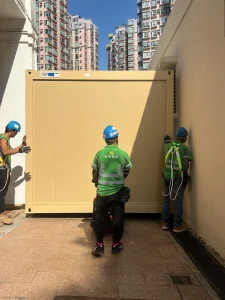
Модулі довелося переміщати через існуючі приміщення школи, перш ніж вони потрапили на місця встановлення, тому доступ до них та їхнє переміщення стали важливою частиною процесу монтажу.
Це одна з практичних відмінностей між модульним будівництвом та традиційним будівництвом на будівельному майданчику: бригада на будівельному майданчику працює з готовими конструктивними модулями, а не починає процес будівництва з окремих матеріалів.
3. Монтаж із використанням крана — 4–5-й дні
Модулі підняли та встановили за допомогою крана.
Операція з підйому вимагала тісної координації між транспортною службою, командою, що відповідала за розміщення крана, та монтажною бригадою, особливо з огляду на те, що проект реалізовувався на території діючої школи.
Після того як модулі були встановлені на місце, команда змогла одразу приступити до робіт із монтажу та підключення.
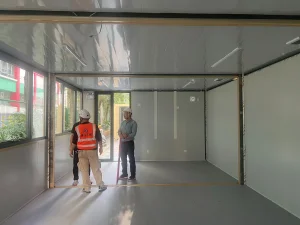
Завдяки використанню заводських модулів не було потреби повторювати основні будівельні роботи на місці встановлення.
4. Завершальні будівельні роботи на об’єкті — 5–6-й дні
Решта робіт на об’єкті включала підключення модулів, інтеграцію інженерних мереж, оздоблювальні роботи та остаточні перевірки.
Замість того, щоб витрачати тижні на зведення каркасу класної кімнати на місці, команда зосередилася на збиранні виготовлених на заводі компонентів та виконанні необхідних монтажних робіт.
До вечора 14 грудня було завершено облаштування двох тимчасових навчальних класів, що дозволило виконати завдання, заплановане на 15 грудня, на один день раніше терміну.
Якість та безпека в проекті, що реалізується за прискореним графіком
Швидкість була лише однією зі складових вимог.
Для шкільного закладу якість будівництва та безпека мають однакове значення. Оскільки в класах навчатимуться учні та працюватимуть вчителі, у рамках проєкту не можна було вважати швидке введення об’єкта в експлуатацію заміною належного контролю за будівництвом та монтажем.
У рамках проекту дотримувалися підходу, що ставить на перше місце безпеку та орієнтований на якість, як на етапі заводської обробки, так і під час монтажу на об’єкті.
Перенесення значної частини будівельних робіт на завод дозволило створити більш контрольоване виробниче середовище. Це зменшило обсяг робіт, що залежали від погодних умов, та обмежило кількість основних будівельних робіт, які необхідно було виконувати на території школи.
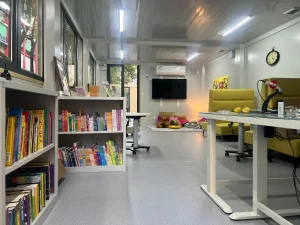
Таким чином, будівельна бригада могла зосередитися на монтажі, підключенні, оздобленні та остаточній перевірці, а не на виготовленні всього класу з нуля.
Готові класи також демонструють, що модульний клас, зведений за прискореною технологією, не обов’язково слід розглядати як просту тимчасову споруду. Внутрішнє оздоблення було організовано як функціональний простір для занять та навчальної діяльності учнів.
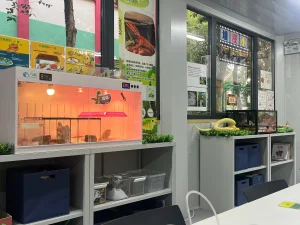
У разі реалізації проектів з надзвичайної освіти таке поєднання заводського виробництва та інтенсивного монтажу на об’єкті є практичним способом забезпечити баланс між швидкістю виконання робіт та контролем за виробництвом.
Чому модульні класи є ефективним рішенням для навчання в надзвичайних ситуаціях
Контроль якості виробництва
Значна частина будівельних робіт завершується ще до того, як модулі доставляються до школи.
Виробництво на заводі забезпечує контрольовані умови для виготовлення конструкцій та підготовки деталей, що зменшує залежність від мінливих погодних умов, обмежень на будівельному майданчику та значних трудових затрат на місці.
Це не скасовує необхідності нагляду за будівельним майданчиком або проведення остаточного прийому робіт. Натомість це дозволяє перенести значну частину основних будівельних робіт у місце, де виробництво можна організувати більш систематично.
Підходить для навчальних закладів, де час має вирішальне значення
Проєкт у Тай-По був реалізований у зв’язку з нагальною потребою, але такий самий модульний підхід можна також розглянути для інших освітніх проєктів, зокрема:
- Тимчасове розширення навчальних приміщень
- Проекти з реконструкції шкіл
- Збільшується місткість кампусу
- Навчальні заклади для надзвичайних ситуацій
- Тимчасові замінні класи
- Прискорене створення освітньої інфраструктури
Конкретна конструкція, технічні характеристики та вимоги до сертифікації залежать від місця розташування та передбачуваного призначення.
Від проекту до проекту змінюється лише конфігурація. Основний принцип залишається незмінним: значну частину будівлі виготовляють поза межами остаточного місця розташування, а потім зосереджують решту будівельних робіт на монтажі та оздобленні.
Результати проекту
Проєкт у Тай-По пройшов шлях від визначення потреб школи 1 грудня до завершення будівництва класних кімнат 14 грудня.
Протягом основного періоду будівництва в рамках проєкту було реалізовано:
3 дні виготовлення на заводі → 3 дні монтажу на місці → 2 готові тимчасові класи для занять
Шість модульних блоків стали конструктивною основою двох навчальних класів. Завдяки перенесенню основних виробничих робіт на завод команда проекту змогла значно скоротити термін будівництва на місці.
16 грудня відбулася церемонія передачі, присвячена завершенню проекту. Дві тимчасові навчальні аудиторії були передані компанією SOHO HOLDINGS GROUP ZHONG SHAN COMPANY LIMITED у дар баптистській державній школі Тай-По; ці аудиторії розташовані в державній початковій школі Тай-По, де учні тимчасово відвідували заняття.
На церемонії були присутні представники навчальних закладів, організацій-партнерів та проектної групи.
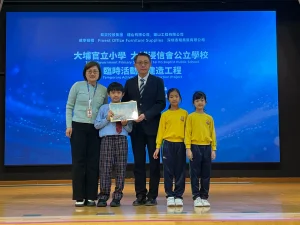
Цей проєкт є наочним прикладом того, як можна застосувати модульне будівництво, коли школі потрібні додаткові приміщення в умовах надзвичайно стислих термінів.
Замість того, щоб розтягувати традиційні будівельні роботи на кілька тижнів, у рамках цього проєкту основні виробничі роботи були зосереджені на заводі, а етап робіт на будівельному майданчику обмежився транспортуванням, монтажем та оздобленням.
Часті запитання
Якою була мета проекту з будівництва модульних класів у Тай-По?
У рамках цього проєкту для Баптистської державної школи Тай-По було облаштовано два тимчасові класи для занять після перебоїв у навчанні, спричинених пожежею у будівлі «Ван Фук Корт» у листопаді 2025 року. Ці класи було облаштовано в Державній початковій школі Тай-По, де учні Баптистської державної школи Тай-По тимчасово відвідували заняття.
Скільки модульних блоків було використано в цьому проєкті?
Компанія GS Housing поставила шість модульних блоків, які було об’єднано для створення двох тимчасових навчальних класів.
Як швидко було завершено цей проєкт?
Основний процес будівництва тривав шість днів: три дні заводської обробки, а потім три дні монтажу на місці. Класні кімнати були готові ввечері 14 грудня, на один день раніше запланованого терміну — 15 грудня. Загальний термін реалізації проєкту — від виявлення потреби школи 1 грудня до завершення робіт 14 грудня — склав приблизно два тижні.
Чому для цього проєкту було обрано модульні класи?
Проект мав дуже стислі терміни реалізації і виконувався в умовах діючої школи. Завдяки заводському виготовленню значну частину конструкційних робіт вдалося завершити ще до поставки, що дозволило зменшити обсяг основних будівельних робіт, які необхідно було провести на території школи.
Як вдається забезпечити високу якість будівництва швидкісної модульної школи при таких темпах?
Завдяки заводській обробці значна частина робіт з виготовлення конструкцій переноситься в контрольоване середовище, де можна організувати виготовлення та підготовку компонентів ще до того, як модулі надійдуть на будівельний майданчик. У проєкті «Тай По» також дотримувалися підходу, що ставить на перше місце безпеку та орієнтований на якість, як під час заводської обробки, так і під час монтажу на будівельному майданчику.
Що таке швидкісна модульна шкільна будівля?
Швидкомонтована модульна шкільна будівля — це збірний навчальний об’єкт, основні конструктивні та будівельні елементи якого виготовляються за межами місця остаточного встановлення, а потім збираються або встановлюються на місці реалізації проєкту. Такий підхід дозволяє скоротити обсяг будівельних робіт на місці і є особливо корисним у випадках, коли в умовах стислих термінів реалізації проєкту виникає потреба у додаткових приміщеннях для навчальних класів.
Шукаєте рішення для облаштування модульних класів?
Незалежно від того, чи йдеться про проект, пов’язаний із реагуванням на надзвичайні ситуації в школах, тимчасовим розширенням навчальних приміщень, реконструкцією шкільного комплексу чи іншими проектами з прискореного будівництва освітньої інфраструктури, модульне будівництво може стати практичною альтернативою традиційному будівництву на місці.
Компанія GS Housing може розробляти конфігурації модульних класних кімнат відповідно до необхідного планування, умов на місці, вимог до інженерних мереж та графіку розгортання.
Зв’яжіться з GS Housing щоб обговорити вимоги до вашого проєкту та наявні рішення щодо швидкого будівництва модульних шкіл.