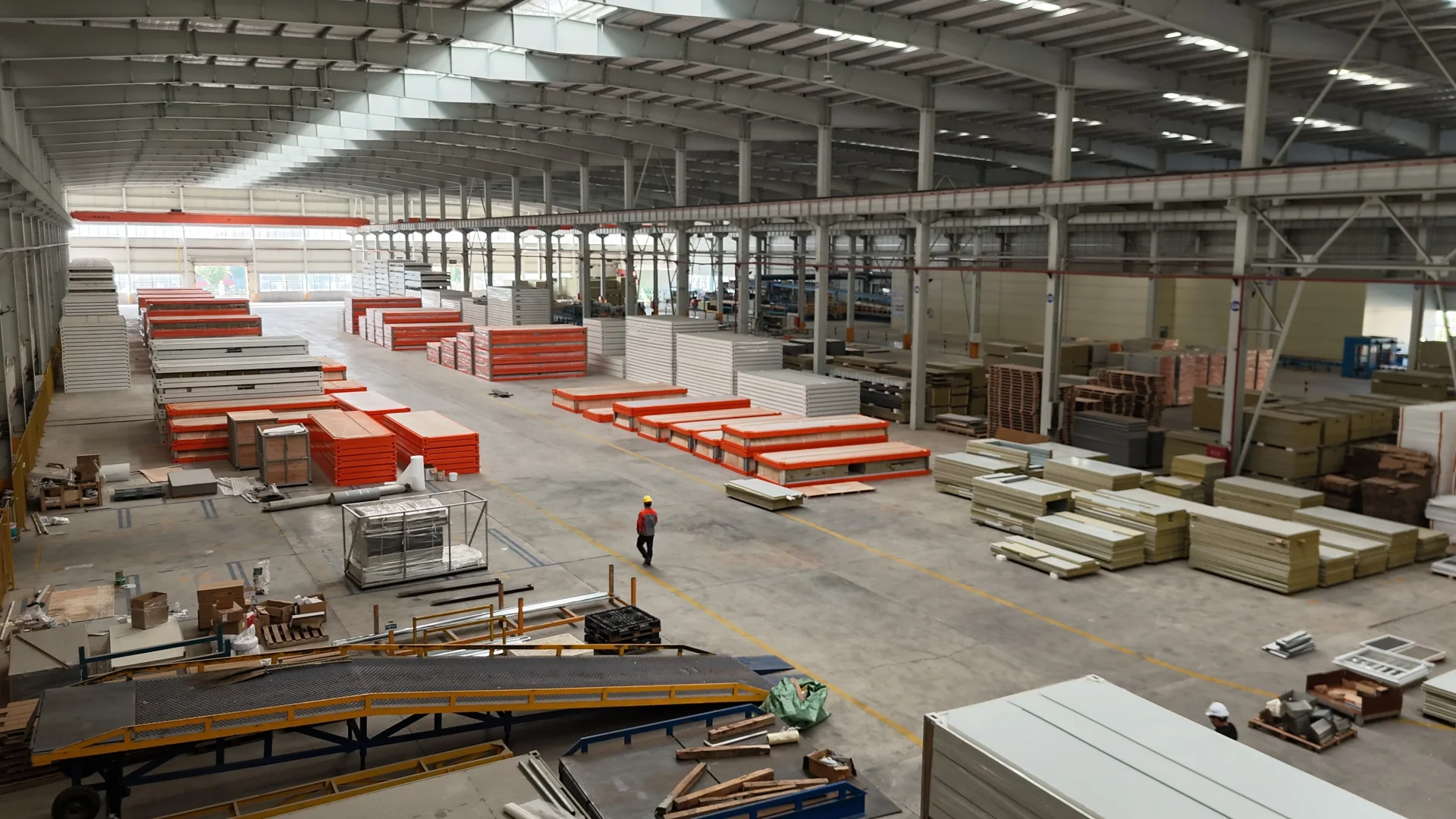
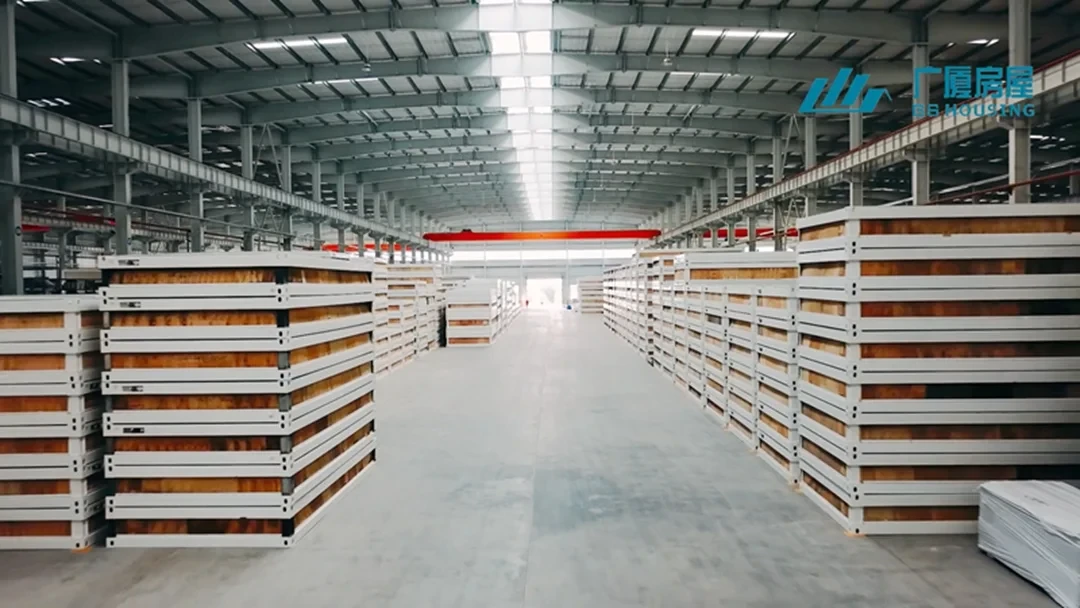
Procuring a modular camp for a large project is a different exercise from ordering a handful of site offices. At 20 units, a supplier either delivers the buildings or it does not. At 500 or 1,000 units, the same modular camp supplier has to coordinate multiple building types, batch production, international shipping, phased delivery and on-site installation — all while the main project schedule keeps moving.
A low unit price looks attractive on the first quote. It becomes less attractive when production slips, building types are misaligned, or the supplier is slow to respond once the containers leave the factory.
For EPC contractors and project owners, the useful question is not who quotes the lowest price, but who can actually deliver the complete camp the project requires.
Define the Project Before Selecting a Modular Camp Supplier
The first step is to define the camp as a project rather than a collection of individual buildings.
A large workforce camp may require accommodation buildings together with offices, dining areas, sanitary facilities, medical rooms, warehouses, recreation spaces and other support buildings. These functions may have different layouts, internal configurations and technical requirements.
A capable modular camp supplier should therefore understand the overall project scope before recommending a building configuration. This matters most when the camp serves a large workforce, because the supplier needs to consider how different buildings work together within the site layout rather than treating every unit as an isolated product.
For procurement teams, this changes the initial discussion. Instead of asking only for a catalogue and unit price, provide the expected workforce, building functions, site conditions and project schedule, then ask the supplier how the complete modular solution would be organized.
Verify the Supplier Can Deliver Multiple Building Functions Under One Contract
Large camps rarely consist entirely of standard dormitory buildings. Depending on the project, the same prefabricated modular building system may need to accommodate:
- workforce accommodation
- project offices
- meeting rooms
- dining facilities and kitchens
- bathrooms and showers
- medical facilities
- warehouses
- recreation areas
- security and support buildings
This is where the difference between a product seller and a project-capable modular building supplier becomes clear. A supplier with broader engineering and production capability can coordinate different building types within the same project, rather than requiring the EPC contractor to source each function separately.
For large projects, this simplifies communication and reduces the number of interfaces the project team has to manage.
Engineering Support Should Be Checked Before Production Starts
Large modular camps are rarely installed exactly as shown in a standard catalogue. Building layouts may need to reflect the actual site, local regulations, climate, workforce requirements and project functions. Some buildings may need different room arrangements; others may require changes to electrical, plumbing or internal configurations.
This makes engineering support an important part of supplier selection. A suitable prefab building manufacturer should be able to work from project drawings and develop the building configuration around the actual requirements, and should communicate clearly with the EPC team or project engineers before production begins.
The timing matters. Design decisions made before production are much easier to manage than changes discovered after hundreds of modules have entered manufacturing. Procurement teams should therefore evaluate the supplier’s design and engineering process during the quotation stage, rather than treating engineering as an issue to solve later.
Production Capacity at Camp Scale, Not Sample Size
A supplier may produce a few buildings without difficulty. That does not automatically mean the factory is suitable for a large camp.
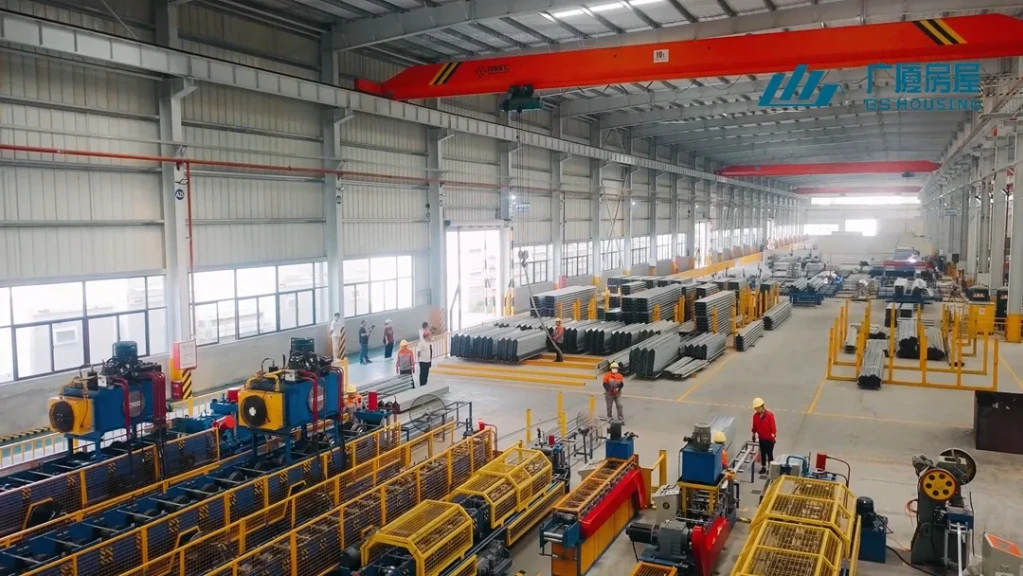
Large projects can require hundreds or thousands of modules, sometimes with several building configurations being manufactured within the same project. The key question is whether the factory can organize this volume without losing control of production quality and delivery coordination.
A professional prefabricated building supplier should be able to explain how the project moves through production — how different module types are scheduled, inspected, packed and prepared for shipment.
It is also useful to look at previous large-scale projects rather than relying only on stated production capacity. A supplier that has already delivered a large camp can provide evidence of experience with practical issues that do not appear in a catalogue: coordinating large quantities, maintaining specifications across batches and preparing deliveries for an active project site.
Delivery Coordination With the Site Schedule
For a large camp, factory production is only one part of the schedule. While modules are being manufactured, the project team may be preparing foundations, roads, drainage, utilities and other site infrastructure. The supplier needs to understand this relationship so that manufacturing and delivery support the site’s construction sequence.
This is especially relevant when the project is delivered in phases. Instead of waiting until the entire camp area is ready, different groups of modules may be transported and installed as the corresponding areas become available. That requires communication between production, logistics and the site team.
A reliable camp building supplier should therefore coordinate its production and delivery plan with the project’s actual construction progress. The objective is not simply to manufacture buildings quickly. It is to make sure the right buildings arrive at the right stage of the project.
For a more detailed explanation of how this parallel workflow can affect the project timeline, see our guide on how modular camps improve efficiency.
International Logistics for Large-Volume Shipments
For overseas projects, transportation is another area where supplier capability matters. Modular buildings may travel long distances by container or other forms of international transport before reaching the construction site. Packing, loading, documentation and delivery coordination all become part of the procurement process.
For large projects, the supplier should be able to communicate about shipment planning and delivery sequences. What matters is not whether a supplier can export a single building, but whether it has experience coordinating large-volume international deliveries while keeping production and site requirements aligned.
This is one reason project references are valuable. Previous overseas camps provide a more realistic indication of whether the supplier understands international project delivery.
Installation Support Beyond the Factory Gate
The supplier’s responsibility does not necessarily end when the modules leave the factory. Large modular camps still require site installation, positioning, connections and integration with site infrastructure. The project team may need technical documents, installation instructions, videos or direct communication with the supplier’s engineers.
For EPC contractors working in remote locations, this support can be particularly important. When comparing suppliers, procurement teams should clarify what installation support is available and how technical questions will be handled during construction. A suitable workforce accommodation supplier should be able to support the project team beyond the quotation and shipment stages, especially when the project involves a large number of buildings.
Real Project References Beat Catalogue Photos
A long product catalogue does not demonstrate large-project capability. For a major camp project, procurement teams should ask to see relevant completed projects and understand what the supplier actually delivered.
Useful questions include:
- How large was the previous project?
- What types of buildings were included?
- Was the project delivered overseas?
- Did the supplier provide design and engineering support?
- Were deliveries completed in phases?
- Did the supplier provide installation guidance?
For example, GS Housing has supplied modular building solutions for large workforce and industrial projects in different international markets. Its project experience includes accommodation together with offices, dining and other supporting facilities, documented in GS Housing’s Projektfallstudien.
This type of evidence is more useful than simply comparing product photographs.
A Quick Supplier Screening for Large Camp Projects
Before moving into detailed commercial discussions, project teams can use a short screening framework:
Project capability
- Can the supplier handle the expected project volume?
- Can different building functions be supplied within one project?
Engineering
- Can the supplier develop layouts and configurations around project requirements?
- Can its technical team communicate directly with project engineers?
Production
- Can the factory organize large-volume production in batches?
- Is there a clear quality-control process throughout production?
Delivery
- Can modules be delivered according to the project’s installation sequence?
- Does the supplier have experience with international project logistics?
Site support
- Are installation manuals and technical guidance available?
- Can engineers provide additional support when required?
Track record
- Can the supplier provide relevant large-project references?
- Are those projects comparable in scale and application?
The framework is short by design. For a major project, the goal is not to collect the largest number of supplier documents. It is to identify whether the supplier has the capability to become a reliable part of the project’s delivery team.
Why Choosing the Right Modular Camp Supplier Matters More as Camp Size Grows
For a small modular building order, a difference in unit price may have a relatively limited impact. For a large construction camp, the consequences are multiplied across hundreds or thousands of modules.
A production problem can affect multiple buildings. A design issue can require changes across an entire batch. A delivery problem can disrupt an installation sequence. Poor coordination can create additional work for the EPC contractor and site team.
This is why large-project procurement should look beyond the factory quotation. For a large camp, supplier selection should focus on a combination of manufacturing capability, engineering support, multi-function building supply, international delivery coordination and relevant project experience.
GS Housing for Large Modular Camp Projects
GS Housing supports large modular building projects from project-specific design through factory production, phased delivery and installation guidance.
Its modular solutions can be configured for workforce accommodation, offices, dining areas, medical facilities, recreation spaces and other project support functions. For large projects, production and delivery are organized around the project schedule and site requirements.
The right solution depends on the project location, workforce size, building functions, site conditions and required schedule.
For EPC contractors, project owners and engineering companies planning a large construction, mining, energy or infrastructure camp, choosing the right supplier at the beginning helps create a more coordinated path from design to delivery.Contact GS Housing to discuss your modular camp requirements and project scope.
Häufig gestellte Fragen
What should I compare when reviewing quotations from modular camp suppliers?
Do not compare the unit price alone. Review what is included in the supplier’s scope, including engineering, building configurations, production, delivery coordination and installation support. Make sure quotations are based on comparable specifications before using price as the deciding factor.
Can one supplier provide both workforce accommodation and office buildings?
Yes. A capable modular camp supplier can configure different building types within one project — dormitories, offices, dining areas, medical facilities and support buildings — using the same building system. This reduces the number of interfaces the EPC team has to manage.
How do I verify a supplier’s experience with large camps?
Ask for references of completed projects comparable in scale and application. Review what buildings were included, whether the project was delivered overseas, how deliveries were phased, and whether installation support was provided. A supplier that has delivered a camp of similar size can show practical experience that catalogue photos do not reflect.
Does the supplier handle international shipping and installation?
Confirm what the supplier covers for international shipping and factory loading. For overseas projects, clarify whether shipment planning, delivery sequences and export documentation are included in the supplier’s scope. Installation support — such as manuals, videos or on-site engineer guidance — should also be confirmed before the contract is signed.
What information should I provide when requesting a camp supplier quote?
Provide the project location and climate, expected workforce size, required building functions, available site area, utility conditions and project schedule. The more specific the project brief, the more accurately the supplier can propose a building configuration, delivery plan and schedule.

Teilen Sie diesen Beitrag – wählen Sie Ihre Plattform!
 Wie modulare Baustellen die Effizienz bei großen Bauprojekten steigern