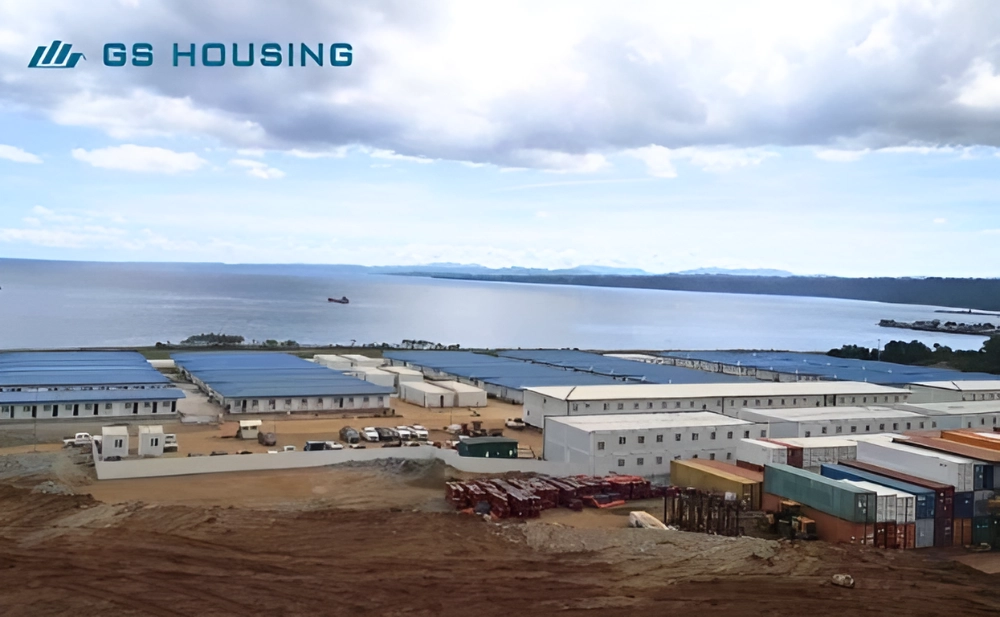
This article examines how galvanized steel frames, continuous insulation, effective drainage, sealed joints, suitable foundations, and factory-installed MEP systems improve modular mining camp reliability. It also shows how controlled prefabrication and climate-specific engineering reduce corrosion, heat loss, weather delays, installation risks, and long-term maintenance demands.
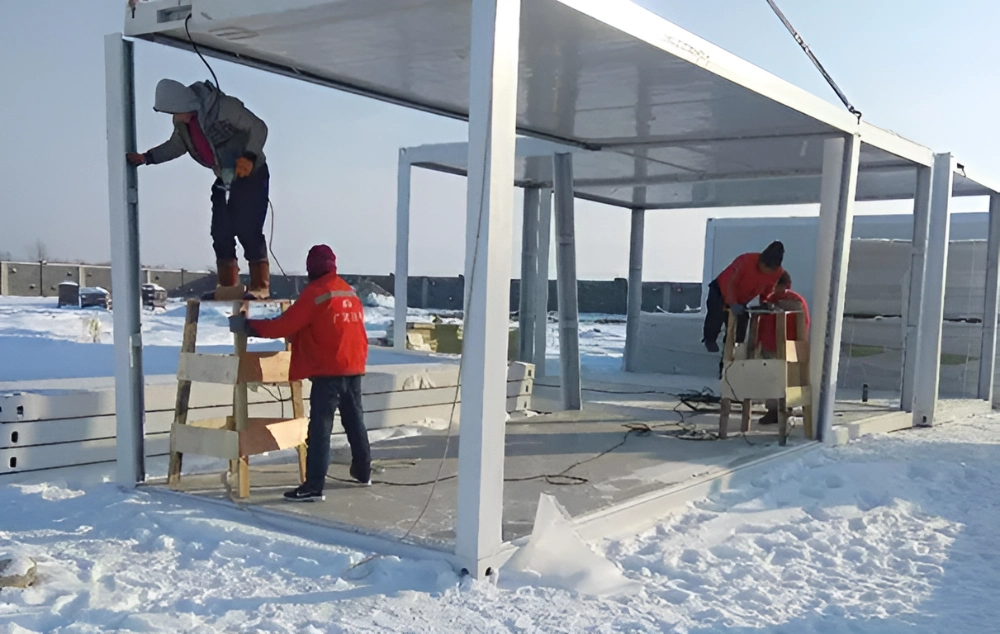
This article explains how to select mining workforce accommodation based on climate risks, insulation, structural strength, corrosion protection, camp layout, and utility requirements. It also covers factory prefabrication, transportation, installation, maintenance, and lifecycle planning for remote mining sites exposed to cold, moisture, wind, or snow.
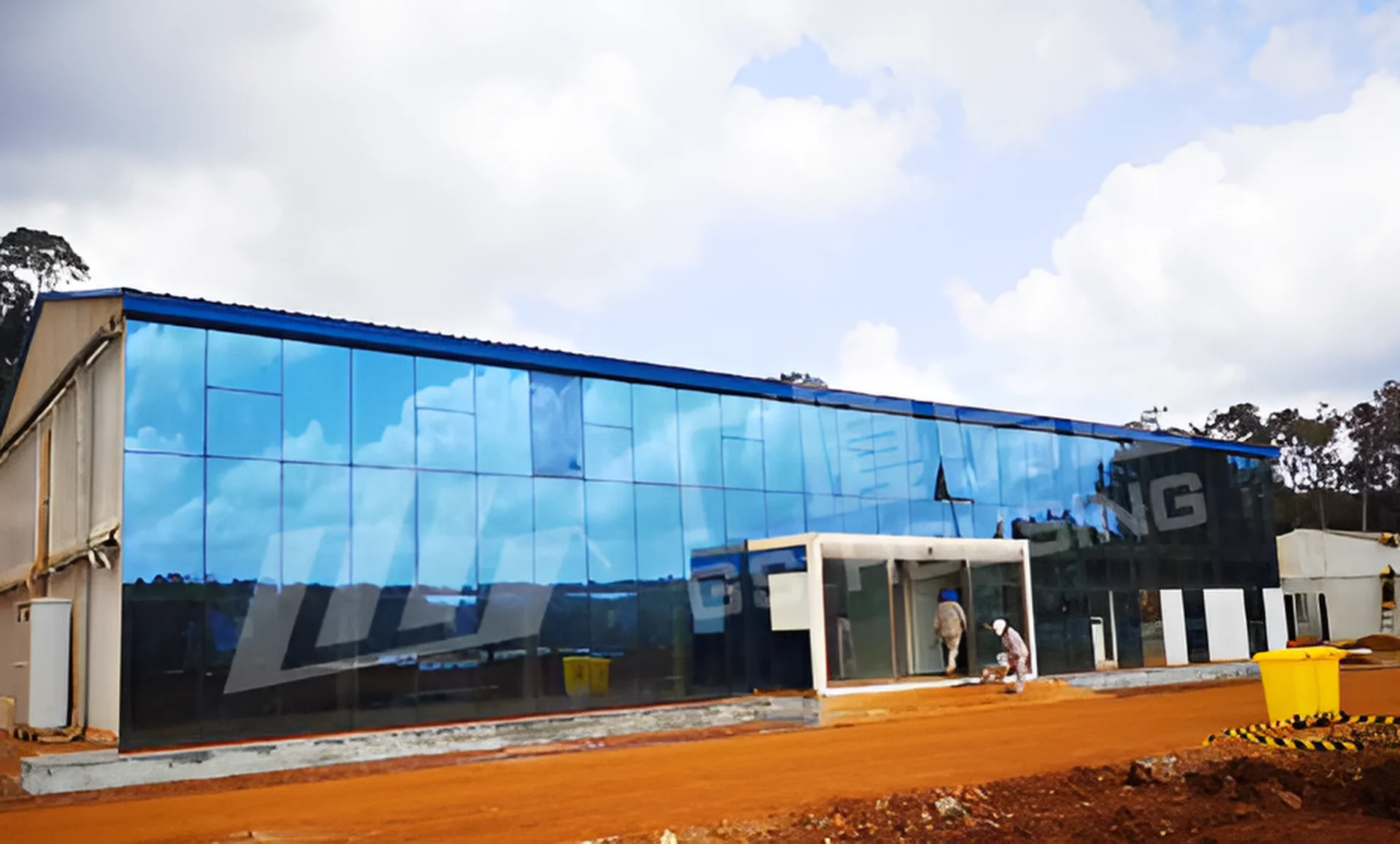
This checklist outlines how to plan a remote workforce camp for early-stage mining projects, covering workforce phases, accommodation, utilities, climate, logistics, installation, and future expansion. It also highlights modular container options, lifecycle cost, supplier capacity, and lessons from a 5,000-person mining camp in Indonesia.
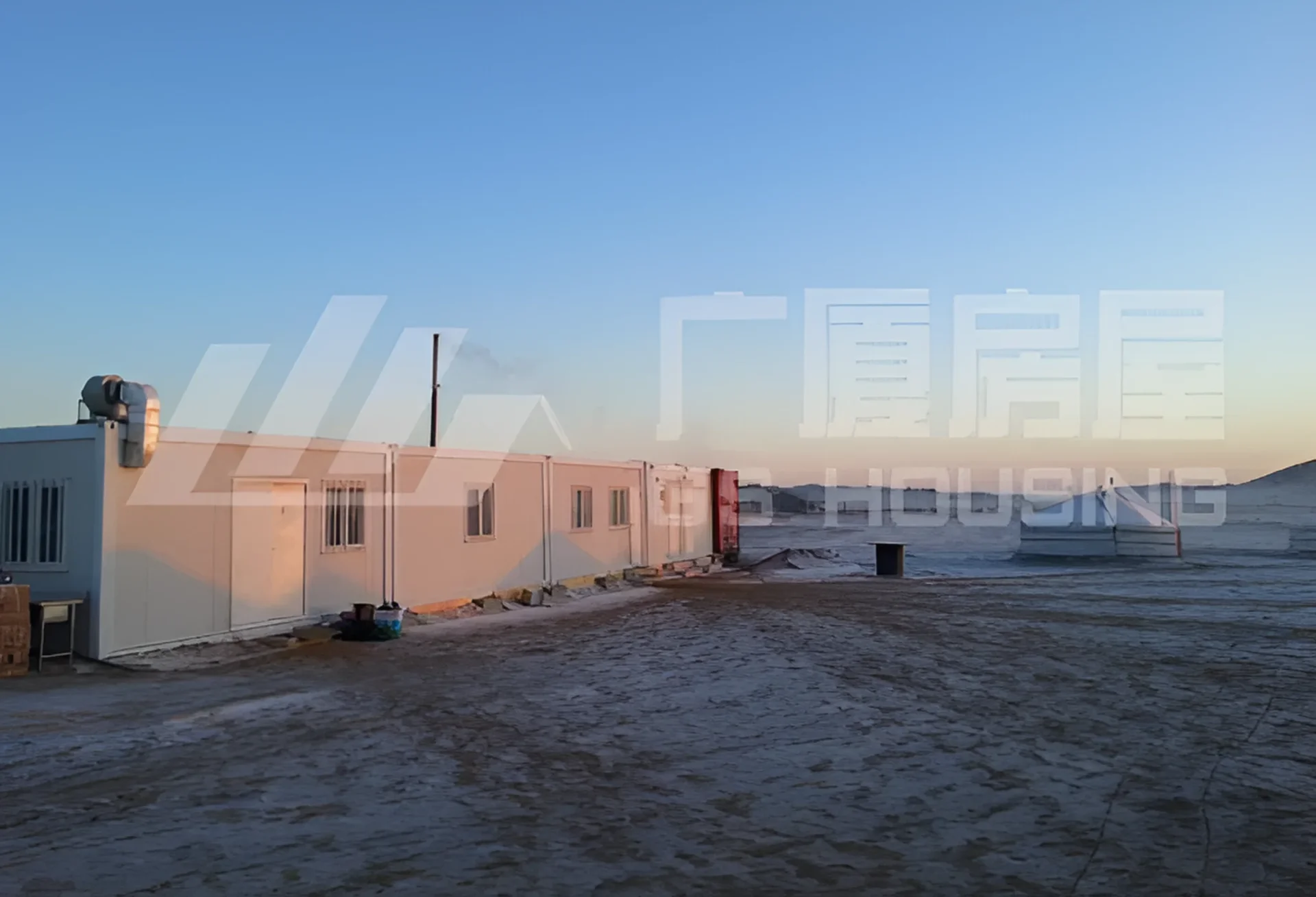
This guide explains how to plan a modular dining hall around peak meal demand, food-service workflow, utilities, site conditions, and future expansion. It also covers zoning, modular system selection, transport, installation, maintenance, and practical lessons from a Mongolia camp project.
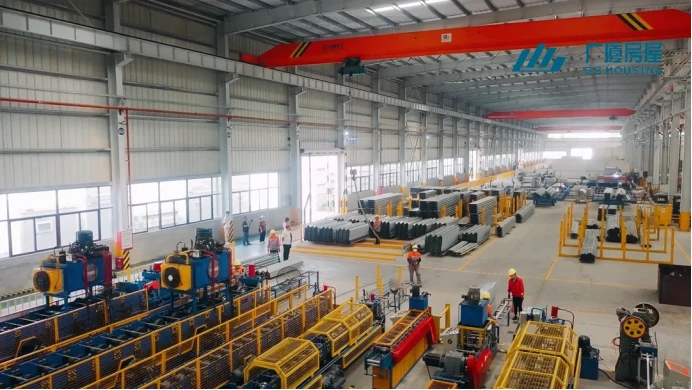
Choosing a reliable portable cabin supplier in Europe directly impacts product consistency and long-term profitability for distributors. This practical checklist covers production capacity, quality control and the key factors to verify before starting a long-term partnership.
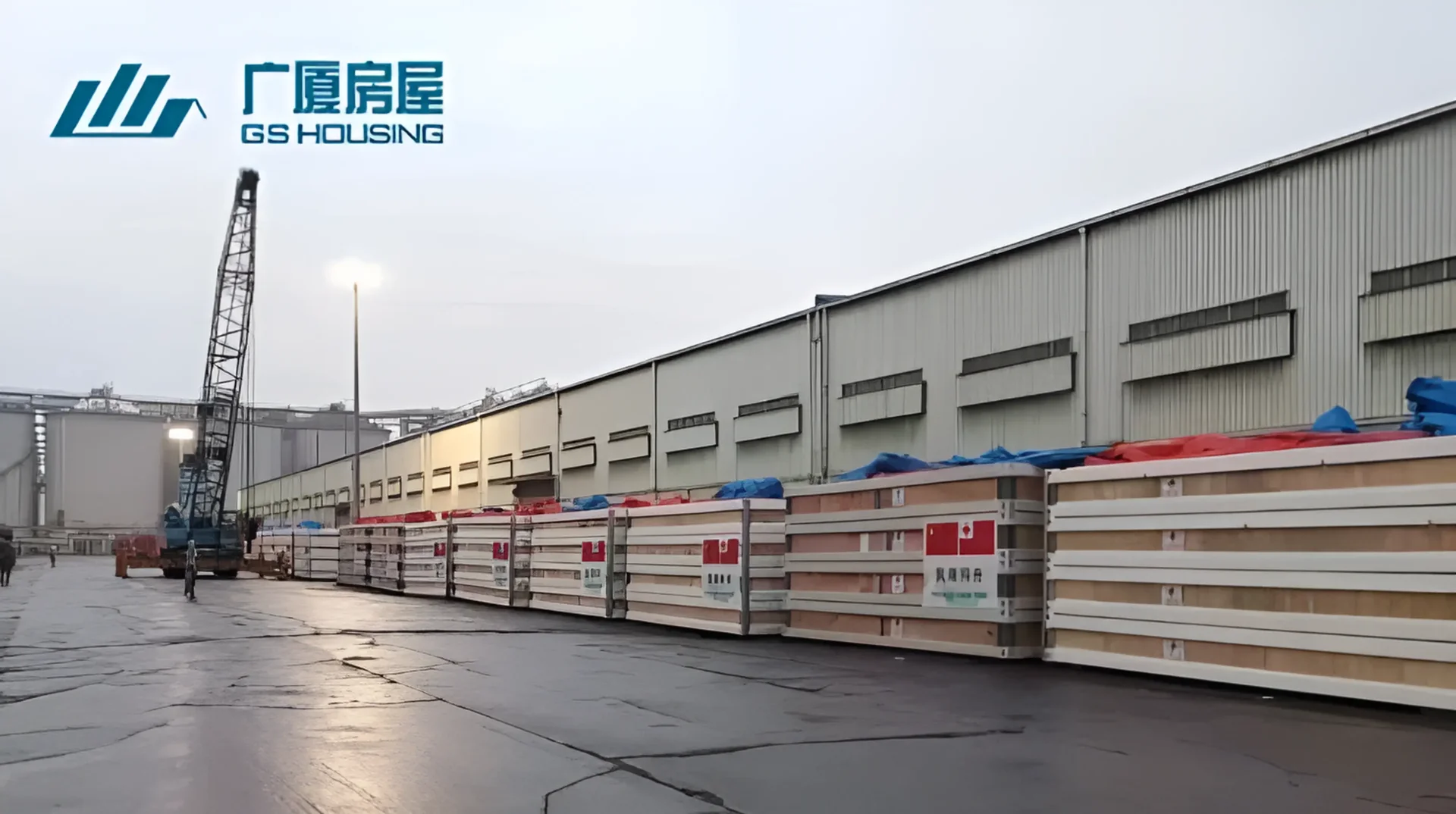
GS flat-pack modular units deliver weather-adaptable long-term shelters for post-disaster resettlement.
WhatsApp/phone:+86 18928522596 Email:Ella@gshousingglobal.com




About Our Company
Follow our official social media channels to learn more about our company, latest projects, and modular container house solutions.
Contact GS Housing
Pages
© Copyright 2001 - 2026 • GS Housing | Prefab & Expandable Container House Manufacturer • All Rights Reserved
