Коли ви будуєте гірничий табір або інфраструктурний табір, сама будівля — це лише частина роботи. Найскладнішою частиною часто є доставка. Місце будівництва може бути віддаленим від порту. Дорога може бути вузькою. Сезон дощів може початися раніше, ніж очікувалося. Місцевої робочої сили може не вистачити. Якщо табір доставляють із запізненням, уся проектна команда змушена чекати.
Саме тому для створення збірного табору з самого початку необхідний логістичний підхід. Це не просто набір кімнат, розміщених у контейнерах. Це робоча база для людей, яким потрібні ліжка, офіси, санвузли, душові, їдальні, складські приміщення та приміщення для управління об’єктом.
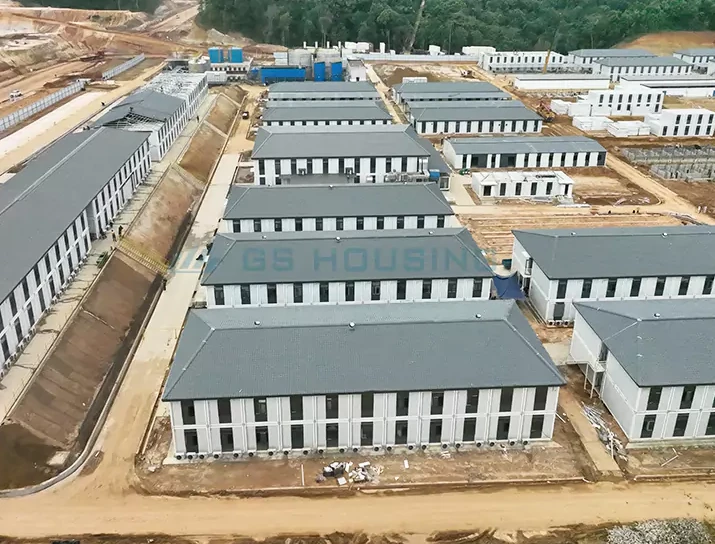
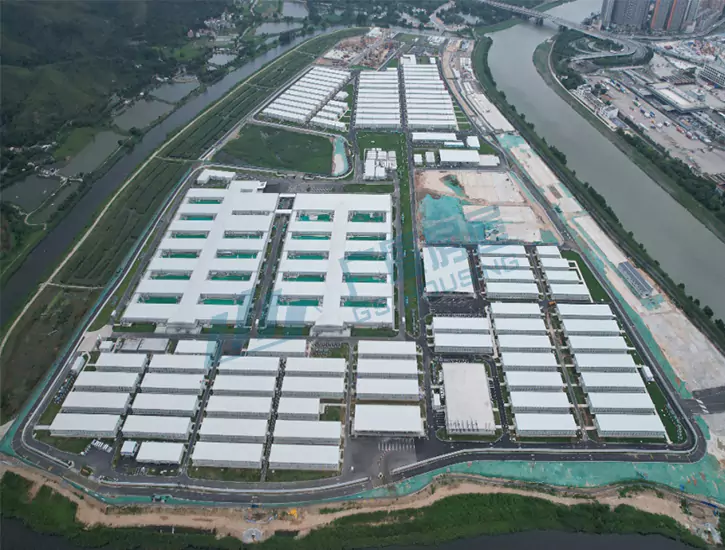
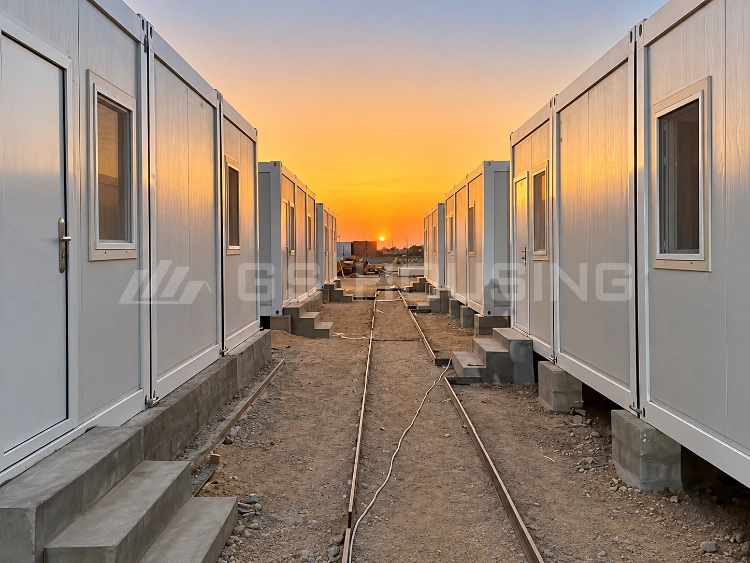
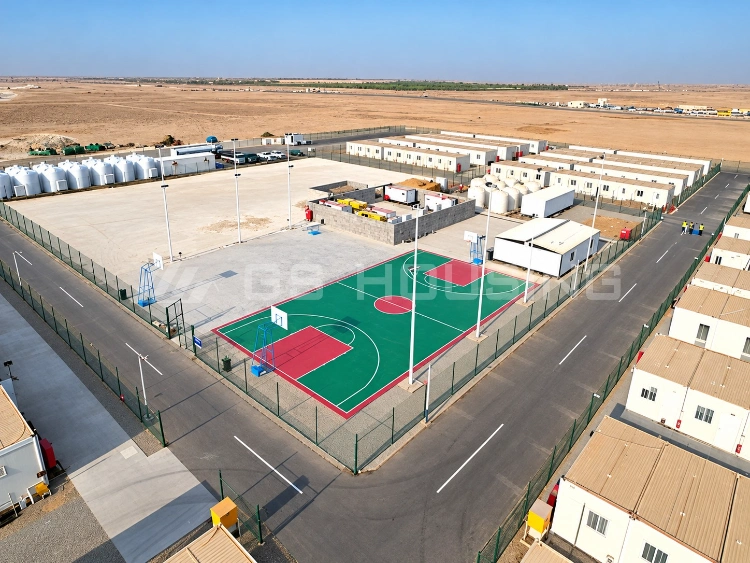
Для такого роду проєктів, GS Housing може надати готові рішення для облаштування таборів у рамках віддалених гірничодобувних та інфраструктурних проєктів. Ви можете координувати розробку планування, виробництво, доставку, супровід монтажу на місці та подальше розширення табору за допомогою однієї єдиної команди. Це допомагає спростити комунікацію для клієнтів, які керують віддаленими проєктними майданчиками. Компанія GS Housing реалізувала чимало масштабних проєктів з облаштування таборів для розміщення робітників, зокрема Проєкт у Саудівській Аравії у кількості 4 480 одиниць, куди було відряджено професійних інженерів для надання консультацій щодо монтажу на місці.
Чому логістичне планування має важливе значення для гірничодобувних та інфраструктурних таборів?
Віддалений доступ до об’єктів та доставка на великі відстані
Віддалені табори рідко розташовуються поруч із добре розвиненими автомагістралями. Остаточний маршрут доставки може пролягати через гірничі дороги, пустельні траси, гірські райони або тимчасові під’їзні дороги. План доставки, який на папері виглядає чудово, може зазнати невдачі, коли вантажівки доїдуть до останніх 30 кілометрів.
Необхідно перевірити ширину дороги, обмеження щодо мостів, радіус повороту, місце для розвантаження, доступ для крана та майданчик для зберігання. Це дрібні деталі, але саме від них залежить, чи можна буде розгорнути табір згідно з планом.
Графіки розгортання таборів, пов’язані з ходом реалізації проєкту
Тимчасовий табір зазвичай потрібний ще до того, як основний проект набере повних обертів. Працівникам насамперед потрібне житло. Керівникам будівельного майданчика насамперед потрібні офіси. Охорона, туалети, їдальні та медичні кабінети також облаштовуються на ранніх етапах.
Модульний табір є зручним рішенням, оскільки багато блоків готуються ще до того, як їх доставлять на місце. Дослідження в галузі модульного будівництва показують, що при ефективному управлінні процесом терміни реалізації проєкту можна скоротити на 20% — 50%.
| Коефіцієнт доставки | Традиційне будівництво об’єкта | Доставка збірних таборів |
| Основне місце роботи | Здебільшого на місці | Виробництво та монтаж на місці |
| Попит на робочу силу на будівельному майданчику | Вищий | Нижче |
| Вплив погоди | Сильніший | Знизити перед доставкою |
| Повідомлення про зміну розкладу | Вихідні дані | 20%–50% — швидше у відповідних модульних проєктах |
Координація між виробництвом, транспортуванням та монтажем
Виробництво не може функціонувати самостійно. Транспортування не може функціонувати самостійно. Монтаж не може функціонувати самостійно. Якщо після завершення виробництва планування майданчика зміниться, це може вплинути й на процес пакування та завантаження. Якщо майданчик не буде готовий до прибуття вантажівок, обладнання, можливо, доведеться залишити на складі, що збільшить ризик пошкодження під час перевантаження або затримок у графіку.
Хороший проєкт починається з простого запитання: що слід зробити в першу чергу, а що може почекати?
Які проблеми з доставкою впливають на проекти будівництва збірних таборів?
Обмежені умови доступу до порту, автомобільних доріг та території об’єкта
У разі експортних проектів портові операції є лише проміжним етапом. До цього постачальник повинен правильно упакувати та відправити вантаж. Після цього місцева команда повинна оформити митні процедури, організувати внутрішні перевезення та доставити все на об’єкт.
Якщо проект реалізується в гірничодобувному районі, справжньою проблемою часто є не тривалий морський перевезення, а саме кінцевий наземний маршрут.
Ризики, пов’язані зі зберіганням, поводженням та переміщенням на об’єкті
Для реалізації проекту будівництва табору може знадобитися багато партій матеріалів. Якщо на будівельному майданчику немає чистого місця для зберігання, панелі, двері, вікна та фурнітура можуть пошкодитися ще до монтажу. Волога земля, сильний вітер та неправильне укладання можуть призвести до необхідності повторних робіт.
Саме тому перед відправкою вантажу слід узгодити маркування упаковки, точки підйому, послідовність монтажу та запасні частини.
| Точка ризику | Що може піти не так | Етап планування |
| Затримка в порту | Підрозділи не дотримуються графіка робіт на об’єкті | Підготуйте документи заздалегідь |
| Неналежне зберігання | Деталі намокають або пошкоджуються | Створіть зону для зберігання сухих речей |
| Неправильний порядок розвантаження | Монтажна бригада чекає | Завантаження за етапами будівництва |
| Обмежений простір для крана | Об'єкти неможливо розміщувати плавно | Перед відправкою підтвердьте план підйому вантажу |
Багатоетапне розширення табору для великих трудових колективів
Команди, що займаються видобутком та інфраструктурою, часто розширюються поетапно. Перша черга може охоплювати керівників та перших працівників. У наступних чергах можуть з’являтися гуртожитки, санвузли, офіси, їдальні, пральні або зони відпочинку.
Якщо первинне планування не передбачає можливості розширення, на другому етапі виникає безлад. Може знадобитися перебудова трубопроводів, доріг, дренажних систем та пішохідних доріжок.
Як планування використання збірних таборів може підвищити ефективність постачання?
Попереднє планування розміщення на основі функціонального призначення ділянки
Планування табору має здійснюватися з урахуванням його функціонального призначення, а не лише кількості кімнат. Необхідно відокремити тихі зони відпочинку від галасливих робочих зон. Туалети та душові повинні бути розташовані досить близько до працівників, але при цьому їх розміщення має враховувати питання водовідведення. Обідні зони повинні відповідати графікам змін.
Коли схема розміщення стане зрозумілою, постачальник зможе підготувати модулі в більш доцільному порядку.
Модульне зонування табору для розміщення та допоміжних зон
У разі гірничодобувного або інфраструктурного табору зонування зазвичай передбачає наявність гуртожитків, офісів, їдалень, санітарних блоків, складських приміщень, приміщень для медичного пункту та кімнат охорони. Завдяки модульному плануванню ці зони можна споруджувати частинами та розширювати згодом.
Саме тут Збірний табір Ця модель є корисною. Вона передбачає повторювані блоки, але не фіксовану форму табору.
Стандартизоване виробництво для прискорення координації проектів
Стандартизоване виробництво зменшує кількість випадкових рішень на об’єкті. Однакові стінові панелі, каркаси, з’єднувальні елементи та функціональні блоки спрощують навчання персоналу монтажу та контроль за його виконанням. Це також допомагає покупцям організувати управління запасними частинами та подальше переміщення обладнання.
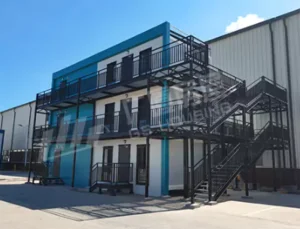
Система будівництва з використанням готових до монтажу конструкцій компанії GS Housing передбачає застосування модульних компонентів та заводських вузлів, що дозволяє скоротити обсяг додаткових робіт на будівельному майданчику.
Які логістичні стратегії сприяють більш злагодженій реалізації проектів віддалених таборів?
Планування перевезень від заводу до кінцевого місця призначення
Не варто обмежуватися лише питанням: “Скільки контейнерів нам потрібно?”. Слід також з’ясувати, яким чином кожна партія буде транспортуватися, де вона буде зберігатися, хто її розвантажуватиме та яку частину табору вона обслуговуватиме.
Найкращий план передбачає виконання робіт у порядку, визначеному робочим замовленням. Спочатку — фундамент. Далі — основна частина гуртожитку. Потім — санвузли, офіси, їдальня та допоміжні приміщення.
Порядок виконання робіт під час поетапного будівництва табору
Якщо всі комплекти надходять у довільному порядку, бригада на будівельному майданчику витрачає час на сортування матеріалів. Якщо матеріали для першого етапу упаковані відповідно до порядку монтажу, бригада може швидше приступити до роботи та підтримувати порядок на будівельному майданчику.
Інструкції з монтажу на місці та технічна підтримка
Навіть при використанні стандартного обладнання місцевим бригадам все одно потрібні креслення, навчання та технічні консультації. У разі проведення робіт за кордоном дистанційна підтримка та наставництво на місці можуть допомогти зменшити кількість помилок. Це особливо корисно, коли проект має жорсткі терміни початку робіт.
Як компанія GS Housing може забезпечити комплексне обслуговування табору?
Комплексна підтримка у сферах проектування, виробництва, транспортування та монтажу
Постачальник обладнання для табору повинен надати допомогу ще до початку виробництва. Перевірка схеми розміщення, вибір обладнання, спосіб упаковки, партія відвантаження та інструкції щодо монтажу на місці — все це впливає на терміни поставки.
Досвід роботи в гірничих таборах, на інфраструктурних проектах та у великих таборах для робітників
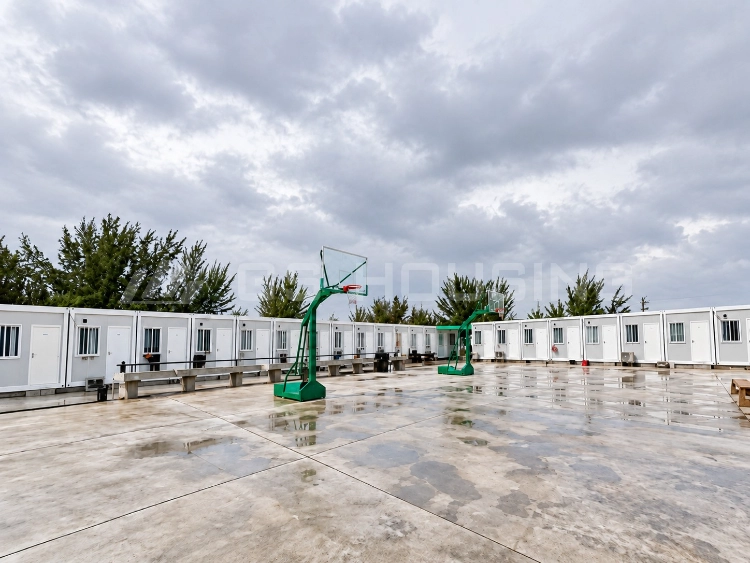
У матеріалах проєкту наведено приклади реалізації об’єктів у громадах гірничодобувних таборів, зокрема житлових приміщень, адміністративних будівель, медичних закладів, їдалень, пралень, складів, місць зберігання, виробничих будівель та об’єктів інфраструктури. Також наведено приклади реалізованих гірничодобувних проєктів у Чилі, Монголії, Росії, Індонезії та на Близькому Сході.
Зверніться до компанії GS Housing за рішеннями щодо будівництва табору для працівників гірничодобувної промисловості та інфраструктури
Затримки з облаштуванням будівельного майданчика можуть вплинути на загальний графік реалізації проєкту та контроль витрат. Якщо ваш проєкт стикається з нестачею робочої сили, стислими термінами облаштування або віддаленим розташуванням майданчика, модульне будівництво може допомогти спростити початковий етап розгортання будівельного містечка. Повідомте компанії GS Housing про ваші вимоги до планування, очікувану місткість, місцевий клімат, умови доступу до майданчика та терміни поставки. Наша команда зможе порекомендувати вам відповідне рішення щодо збірного табору та план доставки.
Отримати індивідуальну пропозицію для ваших рішень у сфері гірничодобувної промисловості та інфраструктурних таборів!
Часті запитання
Питання: Що слід підготувати перед тим, як замовити проект збірного табору?
В: Визначте місце розташування об’єкта, чисельність робочої сили, призначення приміщень, концепцію планування, під’їзні шляхи, місцевий клімат та очікуваний термін реалізації.
Питання: Чи можна розширити збірний табір після завершення першого етапу?
В: Так. Планування модульних таборів можна здійснювати поетапно, тож пізніше можна додати житлові приміщення, офіси, санітарні блоки, їдальні та допоміжні приміщення.
Питання: Чому логістичне планування є таким важливим для проектів із облаштування віддалених таборів?
В: Оскільки доставка, розвантаження, зберігання та монтаж — все це впливає на дату початку реалізації проєкту. Добре продуманий план дозволяє скоротити час очікування, уникнути плутанини на будівельному майданчику та знизити ризик пошкодження.