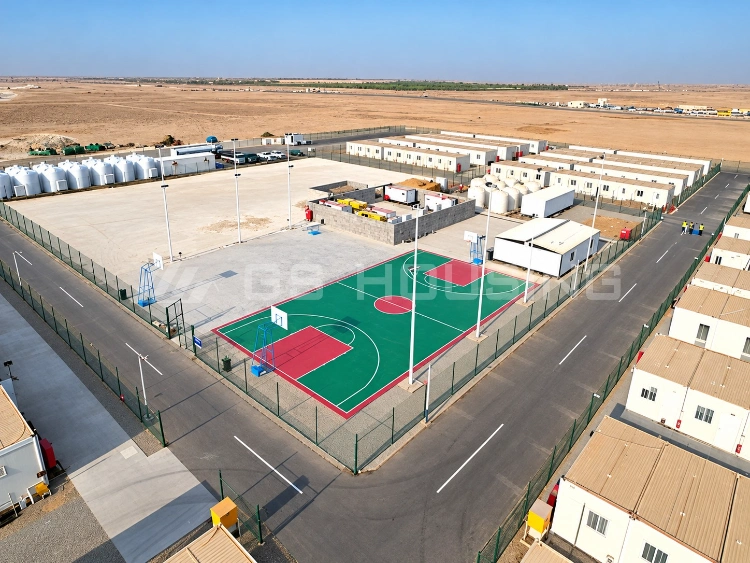
Soğuk bölgelerdeki maden kamplarının çoğu, binaların ısıtılmaması nedeniyle başarısızlığa uğramaz.
Başarısız oluyorlar çünkü sistemin tamamı kış koşullarına göre tasarlanmamıştı.
Bir duvar paneli yeterli yalıtıma sahip olabilir, ancak sızdırmazlığın yetersiz olması yine de ısı kaybına yol açabilir. Güçlü bir ısıtıcı odaları sıcak tutabilir, ancak uygun havalandırma olmazsa yoğuşma sorunları ortaya çıkabilir. Sağlam bir yapı yoğun kar yağışına dayanabilir, ancak kötü bir şantiye planlaması, işçileri her gün aşırı hava koşullarına maruz bırakabilir.
Bu sorunlar, bakım ekiplerine, yedek parçalara ve inşaat kaynaklarına erişimin zor olduğu uzak madencilik bölgelerinde daha da ciddi bir hal almaktadır.
Kuzey bölgelerinde, yüksek rakımlı alanlarda ve karasal soğuk iklimlerde yürütülen projeler için, soğuk iklimler için modüler binalar Uygulamalar, yalıtım, hava sızdırmazlığı, ısıtma, havalandırma, yapısal koruma ve pratik kamp düzenini bir araya getiren eksiksiz sistemler olarak tasarlanmalıdır.
Bu özellikle şunlar için önemlidir: uzak kamp konaklama yeri burada işçiler, sert kış mevsimlerinde haftalarca ya da aylarca şantiyede kalabilirler.
A güvenilir soğuk iklim modüler bina Bu, standart bir ünitenin sadece daha güçlü bir versiyonu değildir. Yerel hava koşullarına, çalışma programlarına ve uzun vadeli bakım gereksinimlerine uyarlanmış bir yapı sistemidir.
Bu makale, modüler bir maden kampının aylarca süren dondurucu soğuklarda güvenilir bir şekilde çalışıp çalışamayacağını belirleyen temel faktörleri açıklamaktadır.
Standart Modüler Binalar Neden Soğuk İklimli Madencilik Kamplarında Zorluk Yaşıyor?
Soğuk ortamlar, standart geçici binaların genellikle üstesinden gelmek üzere tasarlanmadığı zorluklar yaratır.
Uzak bir maden kampı, aşağıdakilerle başa çıkarken konforlu iç ortam koşullarını sağlamalıdır:
- Uzun süreli donma sıcaklıkları
- Isı kaybını artıran şiddetli rüzgârlar
- Yoğun kar yağışı ve kar birikimi
- Donmuş zemin koşulları
- Sınırlı bakım kaynakları
- Kış aylarında sürekli ısıtma ihtiyacı
Ilıman bir iklimde iyi performans gösteren bir bina, uzak ve soğuk bir bölgeye yerleştirildiğinde tamamen farklı sonuçlar verebilir.
Sık karşılaşılan sorunlar şunlardır:
- Yetersiz ısıl performansın yol açtığı artan ısıtma maliyetleri
- Duvar birleşim yerleri ve pencerelerin çevresinde oluşan yoğuşma
- Donmuş su sistemleri
- Artan bakım gereksinimleri
- Uzun vardiyalar sırasında çalışanların konforunda azalma
Birçok proje ekibi başlangıçta yalnızca yalıtım kalınlığını artırmaya odaklanır.
Ancak yalıtım, soğuk hava koşullarındaki performansın sadece bir parçasıdır.
Başarılı bir modüler çözüm, farklı sistemlerin birbirleriyle nasıl uyum içinde çalıştığına bağlıdır:
- Yapısal çerçevenin performansı
- Duvar, çatı ve zemin yalıtımı
- Hava sızdırmaz bağlantılar
- Isıtma kapasitesi
- Havalandırma tasarımı
- İç düzen ve tesis yerleşimi
Madencilik şirketleri ve EPC yüklenicileri için bu sistem yaklaşımı, kampın faaliyete geçmesinden sonra ortaya çıkabilecek beklenmedik sorunları azaltır.
Soğuk İklim Modüler Bina Tasarımı: Performansı Koruyan Dört Sistem
Yalıtımlı Duvar Sistemleri Isı Kaybını Azaltır
Duvar sistemi, soğuk iklim koşullarındaki modüler binalarda en önemli unsurlardan biridir.
Kış aylarında, bina kabuğu, iç ve dış ortamlar arasındaki ısı transferini yavaşlatırken, iç ortam sıcaklıklarını sabit tutmalıdır.
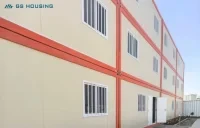
Yüksek performanslı modüler binalarda genellikle, proje gereksinimlerine göre tasarlanmış yalıtımlı sandviç paneller veya kompozit duvar sistemleri kullanılır.
İklim koşullarına bağlı olarak, duvar sistemi aşağıdaki yollarla özelleştirilebilir:
- Yalıtım kalınlığının artırılması
- Çeşitli yalıtım malzemeleri
- Geliştirilmiş sızdırmazlık detayları
- Düzeltilmiş termal performans gereklilikleri
Aşırı soğuk bölgelerde, enerji verimliliğini artırmak ve ısıtma ihtiyacını azaltmak amacıyla ilave yalıtım katmanları eklenebilir.
Bu durum özellikle maden kampları için önemlidir; zira konaklama binaları, ofisler, yemekhaneler ve dinlenme alanları genellikle kış boyunca kesintisiz olarak hizmet vermektedir.
İyi tasarlanmış bir duvar sistemi, odaları sıcak tutmaktan daha fazlasını sağlar. Isıtma ekipmanlarının üzerindeki yükü azaltır ve uzun vadede işletme verimliliğini artırır.
Kış Koşullarında Çatı ve Zemin Yalıtımı Hayati Önem Taşır
Isı kaybı sadece dış duvarlardan gerçekleşmez.
Çatı ve zemin sistemleri, modüler bir binanın aşırı soğuk havalarda konforlu kalıp kalmayacağını genellikle belirler.
Çatı koruması
Soğuk iklimlerdeki çatılar şu koşullara dayanabilmelidir:
- Ağır mevsimsel kar yükleri
- Düşük sıcaklıklar
- Şiddetli kış rüzgarları
- Uzun süreli neme maruz kalma
Düzgün tasarlanmış bir çatı sistemi, yapısal dayanıklılığı ile ısı yalıtımını bir araya getirir.
Çatı yapısı, binanın üst kısmından gereksiz ısı kaybını önlerken, yerel kar yükü şartlarını da karşılamalıdır.
Zemin koruması
Zemin yalıtımı da sıklıkla hafife alınan bir başka konudur.
Uzaktan çalışanların konaklama kamplarında, soğuk zeminler, kış aylarında çalışanların farkına vardığı ilk konfor sorunlarından biridir.
Yeterli zemin koruması sağlanmadığında, alttan gelen soğuk hava iç mekan konforunu azaltabilir ve ısıtma ihtiyacını artırabilir.
Yurtlar, ofisler ve sosyal tesisler için yalıtımlı zemin sistemleri, özellikle sıfırın altındaki sıcaklıkların uzun süre devam ettiği dönemlerde, daha istikrarlı bir iç ortam sağlanmasına yardımcı olur.
Soğuk Bölgelerde Isı Köprülerinin ve Yoğuşmanın Önlenmesi
Sadece yalıtım eklemek, kışın iyi bir performans gösterileceğini garanti etmez.
Soğuk iklimlerdeki en büyük risklerden biri, ısı köprüleridir.
Isı köprüsü, ısının yalıtım performansı daha düşük olan bölgelerden kaçmasıyla oluşur ve bu da nemin birikebileceği daha soğuk yüzeylerin ortaya çıkmasına neden olur.
Zamanla bu durum aşağıdakilere yol açabilir:
- Panellerin arkasında oluşan yoğuşma
- Yalıtım performansında azalma
- İç mekan kaplamalarında meydana gelen hasar
- Yapısal elemanlarda korozyon riskleri
- Kötü iç mekan hava kalitesi
Güvenilir modüler yapı sistemleri, aşağıdaki yollarla bu riskleri azaltır:
- Sürekli yalıtım tasarımı
- Düzgün bir şekilde sızdırmaz hale getirilmiş panel bağlantıları
- Fabrika tarafından kontrol edilen montaj
- Geliştirilmiş eklem tedavisi
- Dengeli havalandırma sistemleri
İşte bu noktada fabrikada ön imalat önemli bir avantaj sağlıyor.
Zorlu kış koşullarındaki geleneksel inşaat yöntemlerinden farklı olarak, modüler bileşenler kapalı mekanlarda kontrollü koşullar altında üretilir. Yapısal bağlantılar, yalıtım montajı ve sızdırmazlık işlemleri, şantiyeye nakledilmeden önce kontrol edilebilir.
Uzak madencilik projelerinde, teslimattan önce sorunları önlemek, kış aylarında işletme sırasında binaları onarmaktan çok daha verimlidir.
Kış Döneminde Çalışma için Isıtma, Havalandırma ve Elektrik Sistemleri
Soğuk iklim koşullarına uygun modüler bir kamp, yalıtımlı bir bina kabuğundan daha fazlasını gerektirir.
Isıtma, havalandırma ve elektrik sistemleri, sahadaki gerçek koşullara göre tasarlanmalıdır.
Aşırı Koşullara Uygun Olarak Tasarlanmış Isıtma Sistemleri
Uzak maden kampları, en soğuk aylar boyunca güvenilir bir ısıtma sistemine ihtiyaç duyar.
Isıtma sistemi seçiminde aşağıdaki hususlar dikkate alınmalıdır:
- En düşük dış ortam sıcaklıkları
- Kullanılabilir enerji kaynakları
- Bina büyüklüğü
- Doluluk oranları
- Yerel çalışma koşulları
Amaç, sadece maksimum ısıtma gücü elde etmek değildir.
Doğru tasarlanmış bir sistem, gereksiz enerji tüketimini önlerken iç mekan sıcaklıklarının sabit kalmasını sağlar.
Havalandırma ve Nem Kontrolü
Soğuk iklimlerde, temiz hava ihtiyacı ile ısının muhafaza edilmesi arasında zorlu bir denge kurulur.
Yetersiz havalandırma nemi ve yoğuşma risklerini artırabilirken, aşırı hava değişimi ısıtma ihtiyacını artırır.
Uygun bir havalandırma sistemi aşağıdakilerin kontrol edilmesine yardımcı olur:
- İç mekan nemi
- Yoğuşma riski
- Hava kalitesi
- Çalışanların konforu
Bu özellikle şu durumlarda önemlidir:
- Yurt binaları
- Mutfaklar
- Çamaşır yıkama olanakları
- Muayene odaları
Uzak Kış Kampları için Elektrik Sistemleri
Soğuk iklim projeleri de titiz bir elektrik planlaması gerektirir.
Isıtma ekipmanları, aydınlatma, ofis sistemleri ve ev aletleri, kış aylarında işletim sırasında daha yüksek bir elektrik talebine yol açmaktadır.
Elektrik tasarımında aşağıdaki hususlar dikkate alınmalıdır:
- Toplam yapı yükü
- En yüksek ısıtma ihtiyacı
- Ekipmanın başlangıç kapasitesi
- Yerel elektrik standartları
Güvenilir bir elektrik sistemi, tesisin kentsel altyapıdan uzakta faaliyet gösterdiği durumlarda kesintilerin önlenmesine yardımcı olur.
Soğuk İklim Kampı Düzeni: İşçilerin Aşırı Hava Koşullarına Maruz Kalmasının Azaltılması
Soğuk iklimlere uygun modüler binalar genellikle sadece kullanılan malzemeler açısından değerlendirilir.
Yalıtım kalınlığı, duvar panelleri ve ısıtma sistemleri önemlidir, ancak kampın genel yerleşim düzeni de kış aylarındaki performansını etkiler.
Bir maden kampı, sadece bir araya getirilmiş bir grup konaklama biriminden ibaret değildir. Bu, her gün yüzlerce kişinin yatakhaneler, yemekhaneler, ofisler, çamaşırhaneler ve hizmet binaları arasında gidip geldiği bir çalışma ortamıdır.
Aşırı soğuk havalarda, gereksiz yürüme mesafeleri operasyonel bir sorun haline gelir.
Binalar arasında yapılan beş dakikalık bir açık hava yürüyüşü, çizim üzerinde kabul edilebilir görünebilir. Oysa gerçekte, dondurucu soğuklara, şiddetli rüzgârlara ve buzlu yüzeylere tekrar tekrar maruz kalmak, çalışanların konforunu, güvenliğini ve verimliliğini olumsuz etkiler.
Bu nedenle, soğuk iklimdeki maden kamplarında aşağıdaki hususlar göz önünde bulundurulmalıdır:
- Sık kullanılan tesislerin kompakt düzeni
- Konaklama yerleri ile yemek alanları arasındaki kısa yürüyüş güzergâhları
- Gerekli olduğu yerlerde önemli binalar arasındaki üstü kapalı bağlantılar
- Kar temizliği ve bakım için erişim alanlarının açılması
- Yerel rüzgâr koşullarına göre binanın yönlendirilmesi
İyi planlanmış bir yerleşim düzeni, sert hava koşullarına maruz kalmayı azaltır ve kış operasyonları sırasında çalışanların kamp içinde güvenli bir şekilde hareket etmelerine yardımcı olur.
Bu, özellikle şunlar için önemlidir: işgücü barınma kampları uzak madencilik faaliyetlerine hizmet veren ve çalışanların uzun proje döngüleri boyunca güvenilir yaşam koşullarına ihtiyaç duyduğu yerlerde.
Hangi Projelerde Soğuk İklim Modüler Binalarına İhtiyaç Duyulur?
Soğuk iklimlere yönelik modüler çözümler, geleneksel inşaat yöntemlerinin uzun gecikmelere, yüksek maliyetlere veya erişim kısıtlamalarına yol açtığı bölgelerde yaygın olarak kullanılmaktadır.
Uzak Madencilik Kampları
Madencilik projeleri genellikle mevcut altyapıdan uzakta yer alır ve bu da geleneksel inşaat çalışmalarını zorlaştırır.
Kuzey bölgelerinde, dağlık alanlarda ve uzak kaynak bölgelerinde modüler binalar aşağıdakiler dahil olmak üzere çeşitli avantajlar sunar:
- Hava koşullarından kaynaklanan gecikmelerden bağımsız olarak fabrika tarafından kontrol edilen üretim
- Şantiyedeki inşaat iş yükünün azaltılması
- Geleneksel yöntemlere kıyasla daha hızlı devreye alma
- İşgücü ihtiyaçlarındaki değişikliklere göre esnek genişleme imkânı
Modüler sistemler, aşağıdakiler dahil olmak üzere tam bir maden kampı altyapısı için yapılandırılabilir:
- İşçi konaklama yerleri
- Şantiye ofisleri
- Yemek olanakları
- Çamaşırhane binaları
- Tıbbi alanlar
- Dinlenme alanları
Büyük ölçekli projelerde bu yaklaşım, müteahhitlerin yalnızca geçici konutlar sağlamak yerine eksiksiz bir çalışma ortamı oluşturmalarına imkân tanır.
Yüksek İrtifalı Endüstriyel Projeler
Yüksek rakımlı bölgelerde soğuk hava koşulları genellikle diğer çevresel zorluklarla bir arada görülür.
Dağlık bölgelerdeki projeler şu sorunlarla karşılaşabilir:
- Erişilebilirlik kısıtlaması
- Yoğun UV ışınlarına maruz kalma
- Sınırlı inşaat sezonları
- Zorlu ulaşım koşulları
Modüler binalar, imalat işlerinin çoğunu kontrollü bir fabrika ortamında gerçekleştirerek, zorlu koşullardaki şantiyelerde gereken işgücü miktarını azaltır.
Bu da onları, uzak dağlık bölgelerde yer alan madencilik, enerji ve altyapı projeleri için uygun hale getirir.
Kuzey ve Kıta Soğuk Bölgeleri
Soğuk iklimlere uygun modüler binalar genellikle şu gibi alanlarda kullanılır:
- Kanada
- Kuzey Avrupa
- Orta Asya
- Rusya
- Güney Amerika’nın yüksek rakımlı bölgeleri
Bu bölgelerde genellikle uzun kışlar yaşanır ve bu dönemlerde geleneksel inşaat verimliliği önemli ölçüde düşer.
Modüler yapı, üretim ve şantiye hazırlıklarının eşzamanlı olarak gerçekleştirilmesini sağlayarak, proje ekiplerinin zorlu hava koşullarına rağmen zaman çizelgelerine uymalarına yardımcı olur.
Özbekistan Modüler Bina Projesi: Büyük Ölçekli Gelişim İçin Esnek Bir Çözüm
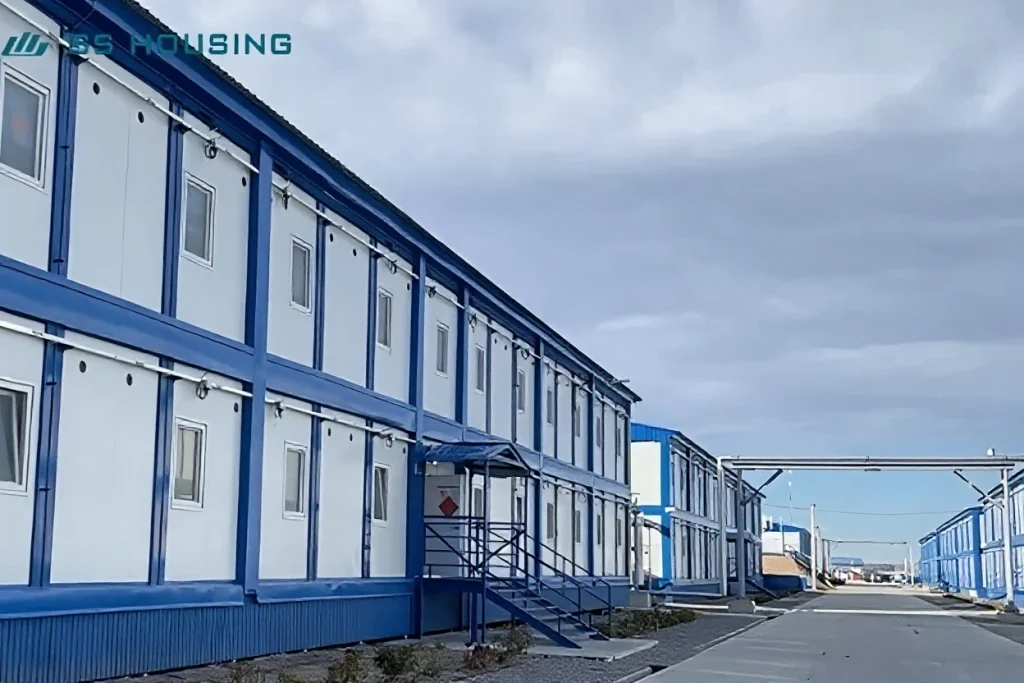
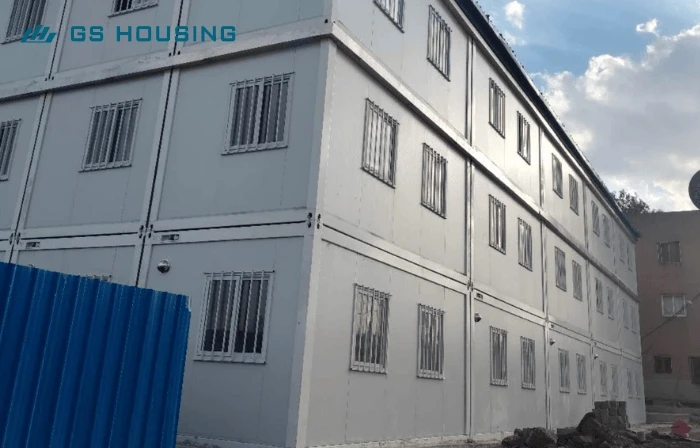
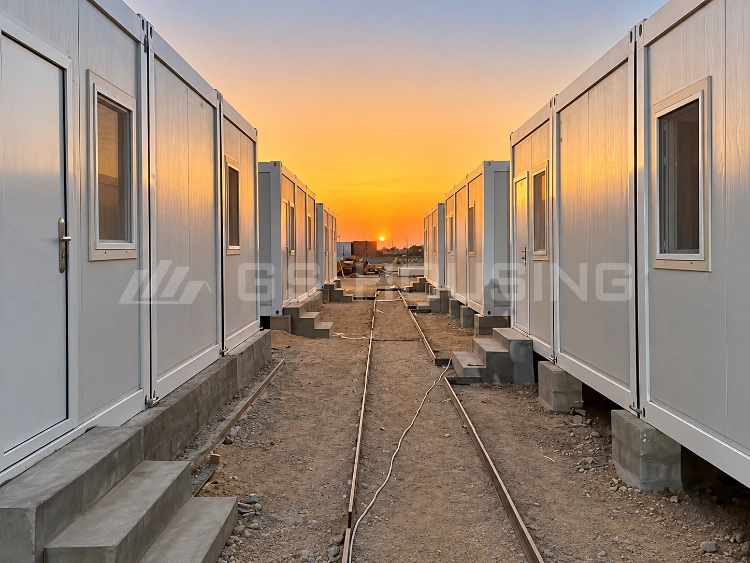
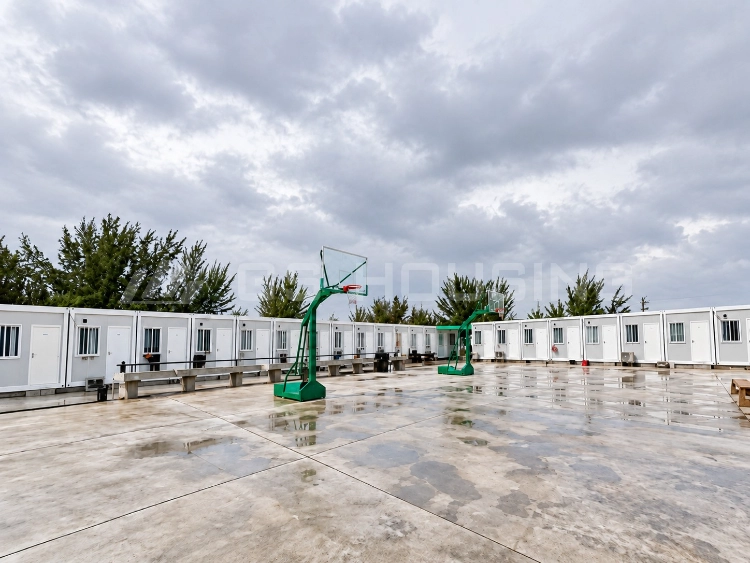
Soğuk bölgelerdeki kalkınmayı destekleyen modüler binalara ilişkin pratik bir örnek şudur: GS Housing’in Özbekistan’ın Yeni Taşkent kentindeki modüler bina projesi.
Proje Yeri:
Yeni Taşkent, Özbekistan
Proje şunları içeriyordu: 182 adet modüler bina çok işlevli olarak tasarlanmış olup, basit bir barınma mekanından ziyade eksiksiz bir çalışma ortamı sunmaktadır.
Teslim edilen modüler sistem şunları içeriyordu:
- 100 konaklama modülü
- 30 ofis modülü
- 15 yemek modülü
- 6 çamaşır yıkama modülü
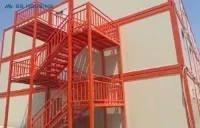
- 16 merdiven modülü
- 15 koridor modülü

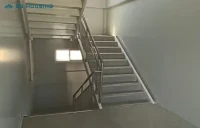
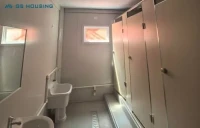
Projede, uzun süreli kullanım için tasarlanmış, prefabrik, soğuk şekillendirilmiş galvanizli çelik modüler bir sistem kullanılmıştır.
Bu binalar çeşitli operasyonel işlevlere hizmet ediyordu:
- İşçi konaklama alanları
- Proje koordinasyon ofisleri
- Teknik ve yönetim alanları
- Yemek olanakları
- Çamaşırhane ve hizmet binaları
Konaklamayı tek başına bir gereklilik olarak ele almak yerine, modüler sistem, işçilerin tek bir koordineli düzen içinde yaşayabilecekleri, faaliyetleri yönetebilecekleri ve günlük hizmetlere erişebilecekleri eksiksiz bir şantiye ortamı yarattı.
Bu yaklaşım, birden fazla geleneksel tesisin inşasının önemli ölçüde iş gücü, zaman ve lojistik gerektireceği uzak bölgelerdeki projeler için özellikle değerlidir.
Uzun Vadeli Esneklik için Tasarlanmış Modüler Binalar
Modüler yapının önemli bir avantajı, binaların ilk proje aşamasından sonra da değer yaratmaya devam edebilmesidir.
Yeni Taşkent geliştirme aşaması tamamlandıktan sonra, modüler binalar sökülüp başka inşaat veya sanayi projelerine taşınabilir.
Çelik yapılar ve metal bileşenler de geri dönüştürülebilir; bu da daha sürdürülebilir proje planlamasına katkıda bulunur ve malzeme israfını azaltır.
Birden fazla projeyi yöneten müteahhitler için bu durum, maliyet açısından farklı bir bakış açısı yaratmaktadır.
Geçici binaları tek kullanımlık varlıklar olarak görmek yerine, modüler sistemler gelecekteki gelişmeleri destekleyen yeniden kullanılabilir altyapılar haline gelebilir.
GS Housing, Soğuk İklim Projeleri İçin Modüler Binaları Nasıl Özelleştiriyor?
Her soğuk iklimli bölge için aynı yapı şartnamesi geçerli değildir.
Orta Asya’daki bir maden kampı, Kanada’nın kuzeyindeki bir sanayi projesi ve And Dağları’ndaki yüksek irtifalı bir saha, hepsi düşük sıcaklıklara maruz kalabilir, ancak bu yerlerin karşılaştığı çevresel zorluklar birbirinden farklıdır.
GS Housing, aşağıdakiler dahil olmak üzere proje koşullarına göre modüler çözümleri uyarlar:
Soğuk Ortamlar İçin Yalıtım İyileştirmeleri
Daha yüksek ısı yalıtım performansı gerektiren projeler için modüler binalar aşağıdaki özelliklerle özelleştirilebilir:
- Duvar panellerinin kalınlığının artırılması
- Ek yalıtım katmanları
- Geliştirilmiş termal koruma çözümleri
Nihai konfigürasyon, yerel iklim verilerine, proje gereksinimlerine ve beklenen çalışma koşullarına bağlıdır.
İklime Uygun Bina Tasarımı
Soğuk bölgelerdeki projelerde aşağıdakilerde bazı ayarlamalar yapılması gerekebilir:
- Bina dış cephesinin hava sızdırmazlığı
- Isıtma sistemi kapasitesi
- İç mekan düzeni
- Su ve drenaj koruması
Buradaki amaç, sadece daha fazla malzeme eklemek değil, yerel ortamda verimli bir şekilde işleyen dengeli bir sistem oluşturmaktır.
Ulaşım ve Uzak Bölge Planlaması
Uzaktan yürütülen projeler genellikle karmaşık lojistik sorunlarla karşı karşıya kalır.
Fabrika üretimi, başlıca yapı bileşenlerinin nakliye öncesinde hazır hale getirilmesini sağlayarak, teslimattan sonra yapılması gereken iş yükünü azaltır.
Orta Asya projelerinde teslimat planlaması kapsamında aşağıdaki hususlar dikkate alınır:
- Ulaşım güzergâhları
- Gümrük işlemleri
- Siteye erişim koşulları
- Kurulum gereksinimleri
Somut teslimat takvimleri, projenin yeri ve kapsamına göre belirlenir.
Soğuk İklim Modüler Binalarını Seçmeden Önce Nelere Dikkat Etmelisiniz?
Soğuk hava koşulları için modüler bir bina seçerken, sadece ilk satın alma fiyatının ötesine bakmak gerekir.
Önemli faktörler şunlardır:
Yerel İklim Verileri
Bir sistem seçmeden önce, proje ekipleri şu hususları anlamalıdır:
- Kışın en düşük sıcaklıklar
- Kar yükü gereklilikleri
- Rüzgâr koşulları
- Nem seviyeleri
- Sitenin rakımı
Bina Kabuğu Performansı
İnceleme:
- Duvar yalıtım sistemi
- Çatı yapısı
- Zemin koruması
- Panel bağlantı ayrıntıları
- Hava sızdırmazlığı performansı
Uzun Vadeli İşletme Gereklilikleri
Şunu bir düşünün:
- Projenin tahmini süresi
- Isıtma enerjisi tüketimi
- Bakım erişilebilirliği
- Projenin tamamlanmasının ardından taşınma imkânı
Uzak madencilik projeleri söz konusu olduğunda, en ucuz başlangıç seçeneği her zaman en düşük maliyetli çözüm olmayabilir.
Birkaç kış boyunca sorunsuz bir şekilde işlev gören bir bina, genellikle sık sık onarım veya yenileme gerektiren bir binaya kıyasla daha iyi bir değer sunar.
Son Düşünceler: Soğuk İklim Koşullarına Uygun Modüler Binalar, Kapsamlı Bir Sistem Planlaması Gerektirir
Soğuk iklim koşullarına uygun başarılı modüler binalar, tek bir malzeme veya tek bir yalıtım katmanıyla tanımlanmaz.
Performansları, aşağıdakilerin birleşiminden kaynaklanmaktadır:
- Uygun yapı sistemleri
- Etkili yalıtım tasarımı
- Hava geçirmez bina bağlantıları
- Güvenilir ısıtma ve havalandırma
- Pratik kamp düzenleri
- İklime özel uyarlama
Madencilik şirketleri, EPC müteahhitleri ve endüstriyel geliştiriciler için amaç, yalnızca binaları hızlı bir şekilde inşa etmek değildir.
Asıl amaç, en zorlu kış koşullarında bile çalışanların rahat bir şekilde yaşayabileceği, faaliyetlerin güvenli bir şekilde sürdürülebileceği ve bakım sorunlarının en aza indirilebileceği güvenilir bir çalışma ortamı yaratmaktır.
Fabrika kontrollü üretim, esnek konfigürasyonlar ve iklim koşullarına göre yapılan tasarım ayarlamaları sayesinde modüler binalar, dünyanın en soğuk bölgelerinden bazılarında uzak bölgelerdeki işgücünün barınması için pratik bir çözüm sunmaktadır.
Soğuk bir iklimde bir maden kampı, endüstriyel tesis veya uzak bölgede konaklama projesi planlıyorsanız, Proje gereksinimlerinizi görüşmek için GS Housing ile iletişime geçin. Ekibimiz, tesisinizin koşullarına, işgücü ihtiyaçlarınıza ve uzun vadeli işletme hedeflerinize dayalı olarak modüler bir çözüm geliştirmenize yardımcı olabilir.