Remote mine sites put unusual pressure on accommodation modules. A camp may serve rotating crews, operate far from utilities, face heat, humidity, dust, corrosion, or seismic risk, and still need room to expand. Buyers therefore need to evaluate more than the room shell. Workforce planning, transport, utilities, shared facilities, installation, and future relocation all affect daily operation.
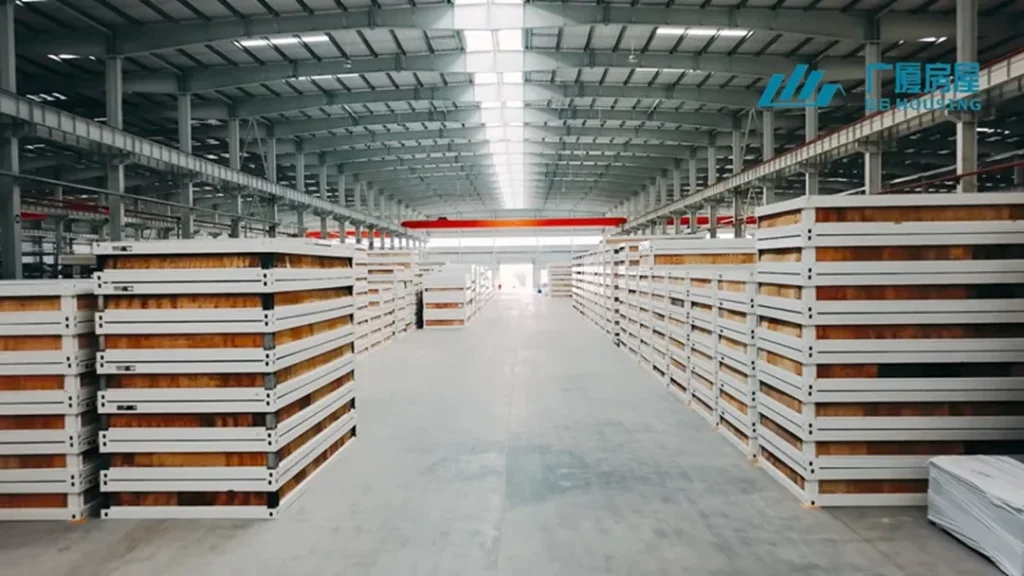
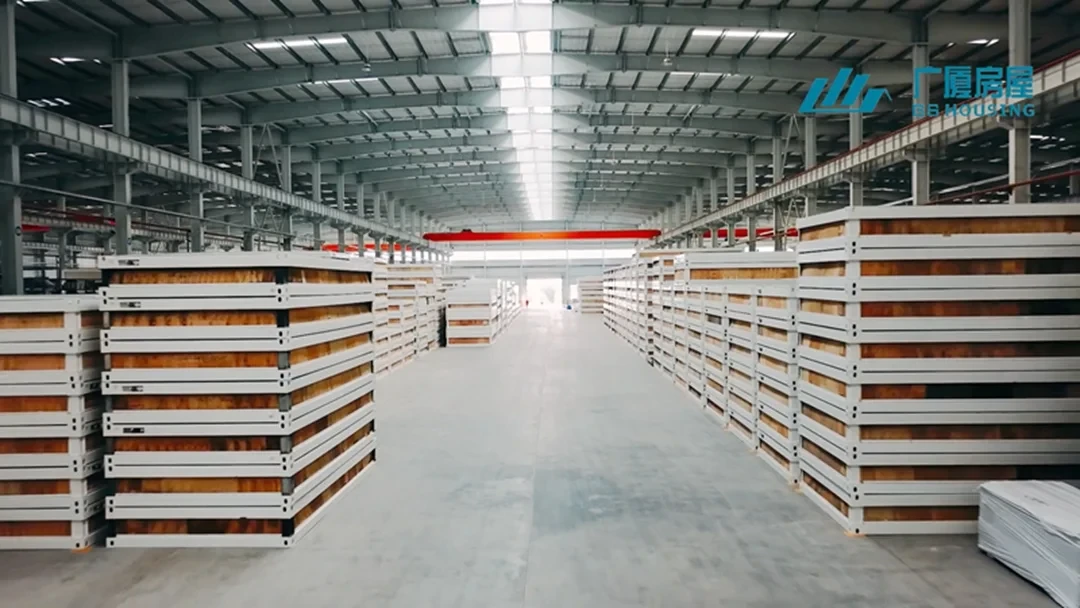
GS Woningbouw supplies modular house systems for mining, construction, energy, and infrastructure projects. Its flat packed system uses factory-made structural and enclosure components assembled on site, while building services can be coordinated before delivery. Its prefabkamp service can coordinate dormitories, offices, dining, sanitary facilities, clinics, laundry, and storage within one camp plan.
What Should Buyers Confirm before Choosing Accommodation Modules for a Remote Mine?
Start with the workforce plan and the real route to site. Gaps here can affect layouts, lifting, utilities, and installation sequencing.
Factor 1: Match Camp Capacity to Workforce and Project Duration
Start with worker numbers by phase, shift pattern, room-sharing policy, supervisor needs, and expected camp life. A prefabricated mining camp for early construction may need a different mix of sleeping and support spaces from a long-term operating camp.
For modular worker accommodation, define base occupancy, temporary peak demand, and which houses may change function later. This helps the camp grow without forcing major changes to dining, sanitation, or circulation.
Factor 2: Check Transport Access before Finalizing Module Configuration
Remote access can shape the module strategy as much as the floor plan. Confirm road width, turning space, unloading area, crane access, ground conditions, and delivery order. Also review lifting points, package protection, temporary storage, and final positioning. Remote worker accommodation modules need a logistics plan before architectural details are frozen.
Can the Modules Perform Reliably in Harsh Mining Conditions?
Mining camps are rarely installed in mild, fully serviced locations. Structural framing, protective treatment, insulation, fire performance, drainage, and connection details should be checked as one system.
Factor 3: Verify Structural Strength and Corrosion Protection
For steel modular houses, check how the frame is formed, connected, coated, and protected. GS Housing flat packed houses use cold-formed galvanized steel components for the main structure and are designed for seismic intensity 8.
Corrosion control continues after fabrication. Coatings may be damaged during loading or installation, while trapped water can attack joints. In humid or chemically aggressive mine environments, check repair procedures, drainage, fasteners, cut edges, and material interfaces.
Final specifications may vary according to project requirements, local codes, climate conditions, foundation design, and approved engineering documents.
Factor 4: Evaluate Insulation, Fire Safety, and Long-Term Durability
Treat the wall, roof, floor, openings, and service penetrations as one envelope. GS Housing’s flat packed house system uses non-combustible enclosure insulation and can integrate plumbing, electrical, heating, ventilation, and air conditioning (HVAC), and interior functions during factory production.
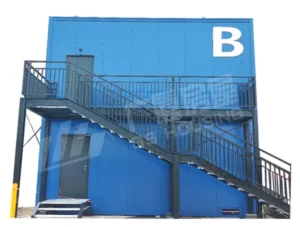
For repeatable dormitory layouts, Type-B flat-pack container houses can be considered within the camp scheme. Buyers should confirm insulation for the local climate, fire requirements, joint sealing, condensation control, and finishing around HVAC and utility penetrations. Reliable accommodation modules depend heavily on these interfaces.
Does the Camp Support Daily Operations beyond Worker Accommodation?
A mining camp is an operating system for people, not a row of sleeping rooms. Accommodation, work, food, hygiene, medical support, storage, and service routes should be coordinated from the start.
Factor 5: Plan Accommodation and Shared Facilities as One Camp
Mining camp housing solutions should follow daily movement. Dormitories need practical links to sanitary and dining areas, while offices, clinics, kitchens, laundry, storage, and service buildings need clear access.
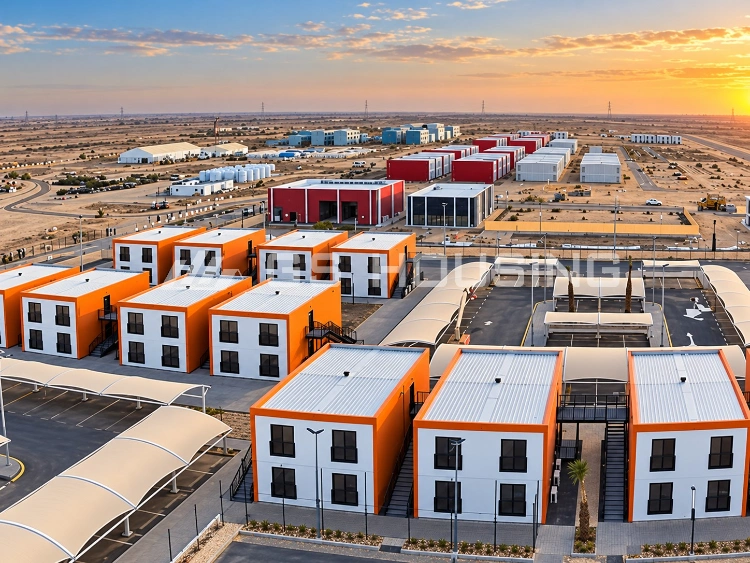
GS Housing can supply these functional spaces as part of a prefabricated mining camp. Planning them together helps buyers coordinate zoning, pedestrian routes, servicing, and future expansion instead of solving each building after the main dormitory order.
Factor 6: Coordinate Utilities before the Modules Reach the Site
Power, water, drainage, HVAC, and internet should be coordinated before production is locked. Good mining camp utility planning identifies mains, house connections, maintenance access, and spare capacity.
Factory integration reduces site work, but it also makes late changes less convenient. Once modules are in production, moving sanitary points or service openings can create rework. For modular worker accommodation, utility drawings should be reviewed together with the layout and installation sequence.
Can the Supplier Deliver, Install, and Expand the Camp at Project Scale?
A suitable house can still create delays if the supplier cannot manufacture, stage, ship, or support the required quantity. A modular mining camp supplier should therefore be assessed on delivery organization as well as product design.
Factor 7: Check Manufacturing and Installation Capacity
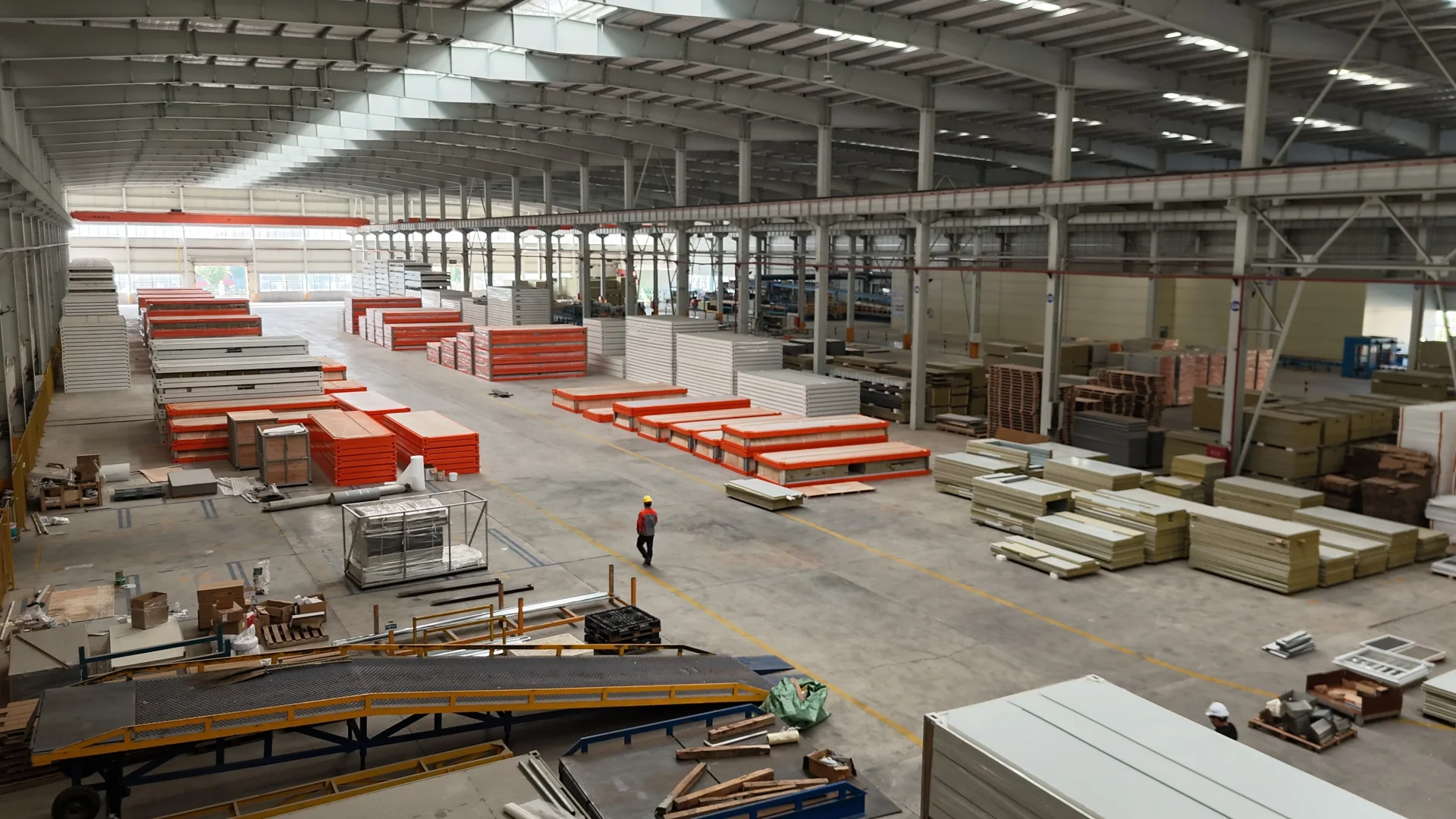
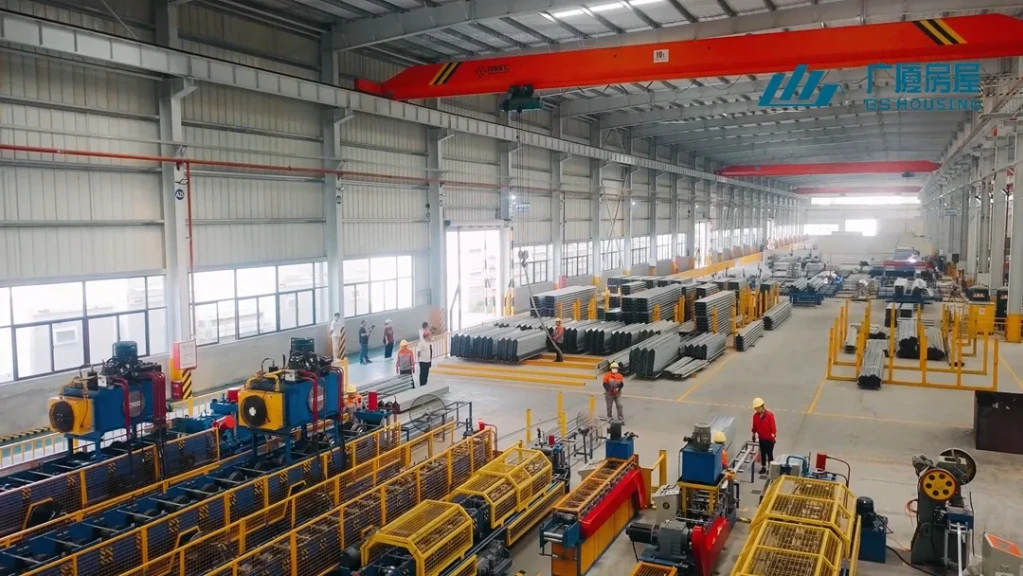
GS Housing operates six modular production bases with a combined annual capacity of 200,000 modular units. Its manufacturing setup covers forming, cutting, welding, panel production, door and window production, coating, machining, and final assembly.
For large accommodation module orders, ask for a delivery plan covering design freeze, production batches, packing, transport, lifting, inspection, and handover. The sequence should match site readiness and installation resources.
Factor 8: Leave Room for Expansion, Relocation, and Reuse
Mining headcount changes by project phase. A useful camp layout should allow extra units without blocking roads, utilities, fire access, or shared facilities.
GS Housing’s flat packed house system can be combined horizontally or vertically and supports repeated assembly and relocation. Remote worker accommodation modules benefit from reserved connection points and service capacity because adding them later is usually easier than rebuilding the center of an operating camp.
Remote Mining Camp Accommodation Module Checklist
Before issuing a purchase order, buyers can use this checklist to keep accommodation modules tied to site operations rather than reducing procurement to a room count.
| Buyer Check | What to Confirm |
| Omvang van het personeelsbestand | Workers by phase, room ratio, shift pattern |
| Site location | Distance, access road, unloading and lifting conditions |
| Climate | Temperature, wind, humidity, corrosion, seismic risks |
| Indeling | Dormitories, offices, dining, sanitary, medical, storage |
| Utilities | Power, water, drainage, HVAC, internet |
| Delivery | Production schedule, packing, transport, installation |
| Expansion | Future modules, relocation, reuse |
The checklist is also useful during tender comparison because it exposes missing information early, especially around logistics and mining camp utility planning.
Project Reference / Mining Camp Experience
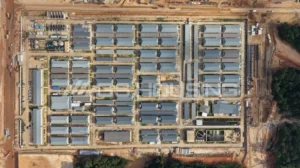
Project references matter most when they show how a supplier handles more than sleeping space. GS Housing’s Indonesia IPIP mining camp project is relevant to buyers reviewing mining camp housing solutions for remote industrial operations.
During due diligence, compare the reference with your climate, workforce pattern, utilities, transport difficulty, installation method, and support buildings. Similar photographs do not mean similar operating conditions.
Why Consider GS Housing for Remote Mining Camp Projects?
A modular mining camp supplier should turn a workforce plan into a coordinated camp and carry it through design, manufacturing, delivery, and installation.
Mining Project Experience Supports Real-World Camp Planning
GS Housing has mining project experience in overseas markets, and its camp scope can extend beyond dormitories to medical, catering, laundry, storage, administrative, and service buildings. That matters where buyers need mining camp housing solutions to function as one site rather than a group of unrelated houses.
One Supplier Can Coordinate the Camp from Design to Installation
A single coordination path reduces gaps between layout, production, utilities, logistics, and site assembly. GS Housing combines design, manufacturing, project supply, and installation support.
For remote mine operators, accommodation modules should be selected by how well they fit the workforce plan, site conditions, service network, installation sequence, and future project phases.
Contact GS Housing for Mining Camp Solutions
If your team is comparing layouts, module types, utility arrangements, delivery sequencing, or future expansion, prepare the workforce schedule, site access information, climate conditions, and required support buildings before technical discussions. Neem contact op met GS Housing om op maat gemaakte huisvestingsoplossingen voor mijnkampen te bespreken, zoals werknemersverblijven, bouwkeukens, eetruimtes, sanitaire voorzieningen, medische ruimtes, opslagruimtes en andere ondersteunende voorzieningen voor het kamp.
Veelgestelde vragen
What should be included in accommodation modules for a remote mining project?
The house specification should cover sleeping layout, insulation, fire requirements, HVAC interfaces, electrical points, sanitary needs, maintenance access, and connections to camp utilities. Buyers should also check how the units relate to dining, medical, laundry, office, and storage facilities.
Are flat packed modular houses suitable for a mining camp that may expand later?
They can be suitable where the site plan, structural arrangement, utility capacity, and access routes allow later phases. Reserve space and connection points early so new accommodation modules can be added without major changes to the operating camp.
What information should a buyer provide before camp planning starts?
Provide workforce numbers by phase, shift pattern, expected project duration, access conditions, climate risks, required shared facilities, utility availability, and installation constraints. These inputs help turn the accommodation modules plan into a layout that matches actual mine operations.