Most cold-region mining camps do not fail because the buildings cannot be heated.
They fail because the entire system was not designed for winter conditions.
A wall panel may have enough insulation, but poor sealing can still allow heat loss. A powerful heater may keep rooms warm, but without proper ventilation, condensation problems can appear. A strong structure may survive heavy snow, but poor site planning can leave workers exposed to extreme weather every day.
These issues become more serious in remote mining areas where maintenance teams, spare parts and construction resources are difficult to access.
For projects operating in northern regions, high-altitude areas and continental cold climates, modular buildings for cold climate applications need to be designed as complete systems — combining insulation, airtightness, heating, ventilation, structural protection and practical camp layout.
This is especially important for remote camp accommodation where workers may live on site for weeks or months during harsh winter seasons.
A reliable cold-climate modular building is not simply a stronger version of a standard unit. It is a building system adapted to local weather conditions, operating schedules and long-term maintenance requirements.
This article explains the key factors that determine whether a modular mining camp can perform reliably through months of freezing temperatures.
Why Standard Modular Buildings Struggle in Cold Climate Mining Camps
Cold environments create challenges that standard temporary buildings are often not designed to handle.
A remote mining camp must maintain comfortable indoor conditions while facing:
- Long periods of freezing temperatures
- Strong winds that increase heat loss
- Heavy snowfall and snow accumulation
- Frozen ground conditions
- Limited maintenance resources
- Continuous heating demand during winter
A building that performs well in a mild climate may experience completely different results when placed in a remote cold region.
Common problems include:
- Rising heating costs caused by poor thermal performance
- Condensation around wall joints and windows
- Frozen water systems
- Increased maintenance requirements
- Reduced worker comfort during long shifts
Many project teams initially focus only on increasing insulation thickness.
However, insulation is only one part of cold-weather performance.
A successful modular solution depends on how different systems work together:
- Structural frame performance
- Wall, roof and floor insulation
- Airtight connections
- Heating capacity
- Ventilation design
- Internal layout and facility arrangement
For mining companies and EPC contractors, this system approach reduces unexpected problems after the camp becomes operational.
Cold Climate Modular Building Design: Four Systems That Protect Performance
Insulated Wall Systems Reduce Heat Loss
The wall system is one of the most important elements in a cold-climate modular building.
During winter operation, the building envelope must slow down heat transfer between indoor and outdoor environments while maintaining stable internal temperatures.
High-performance modular buildings typically use insulated sandwich panels or composite wall systems designed according to project requirements.
Depending on climate conditions, the wall system can be customised through:
- Increased insulation thickness
- Different insulation materials
- Improved sealing details
- Adjusted thermal performance requirements
For extremely cold regions, additional insulation layers can be added to improve energy efficiency and reduce heating demand.
This is especially important for mining camps because accommodation buildings, offices, dining facilities and welfare spaces often operate continuously throughout the winter.
A well-designed wall system does more than keep rooms warm. It reduces the workload on heating equipment and improves long-term operating efficiency.
Roof and Floor Insulation Are Critical in Winter Conditions
Heat loss does not only happen through external walls.
Roof and floor systems often determine whether a modular building remains comfortable during extreme cold.
Roof protection
Cold-climate roofs need to handle:
- Heavy seasonal snow loads
- Low temperatures
- Strong winter winds
- Long-term moisture exposure
A properly designed roof system combines structural strength with thermal protection.
The roof structure must meet local snow-load requirements while preventing unnecessary heat loss from the upper part of the building.
Floor protection
Floor insulation is another area that is often underestimated.
In remote worker accommodation camps, cold floors are one of the first comfort issues workers notice during winter.
Without sufficient floor protection, cold air from below can reduce indoor comfort and increase heating demand.
For dormitories, offices and welfare buildings, insulated floor systems help maintain a more stable indoor environment, especially during long periods of sub-zero temperatures.
Preventing Thermal Bridges and Condensation in Cold Regions
Adding insulation alone does not guarantee good winter performance.
One of the biggest risks in cold climates is thermal bridging.
A thermal bridge occurs when heat escapes through areas with lower insulation performance, creating colder surfaces where moisture can accumulate.
Over time, this can lead to:
- Condensation behind panels
- Reduced insulation performance
- Damage to interior finishes
- Corrosion risks for structural components
- Poor indoor air quality
Reliable modular building systems reduce these risks through:
- Continuous insulation design
- Properly sealed panel connections
- Factory-controlled assembly
- Improved joint treatment
- Balanced ventilation systems
This is where factory prefabrication provides a major advantage.
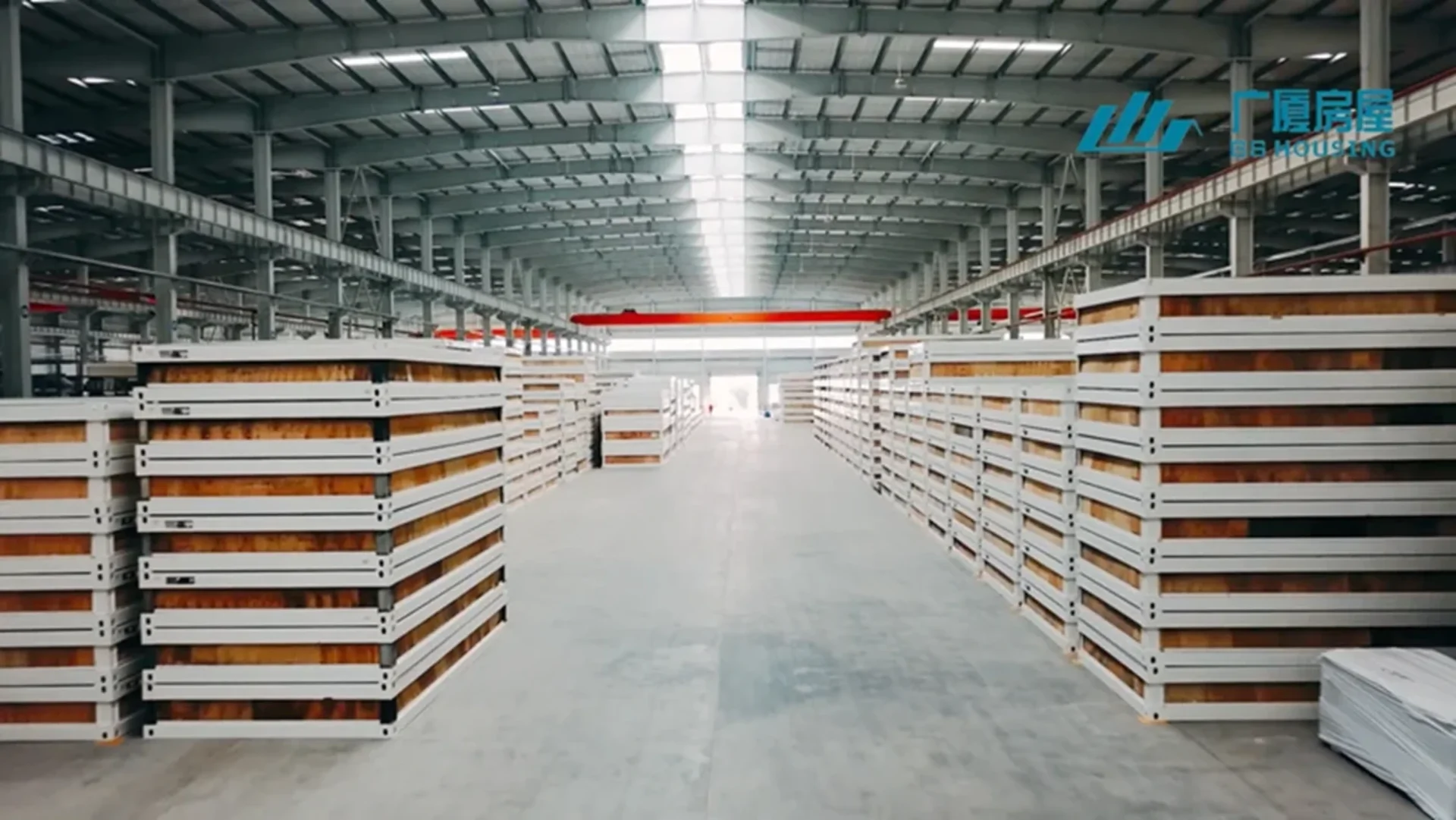
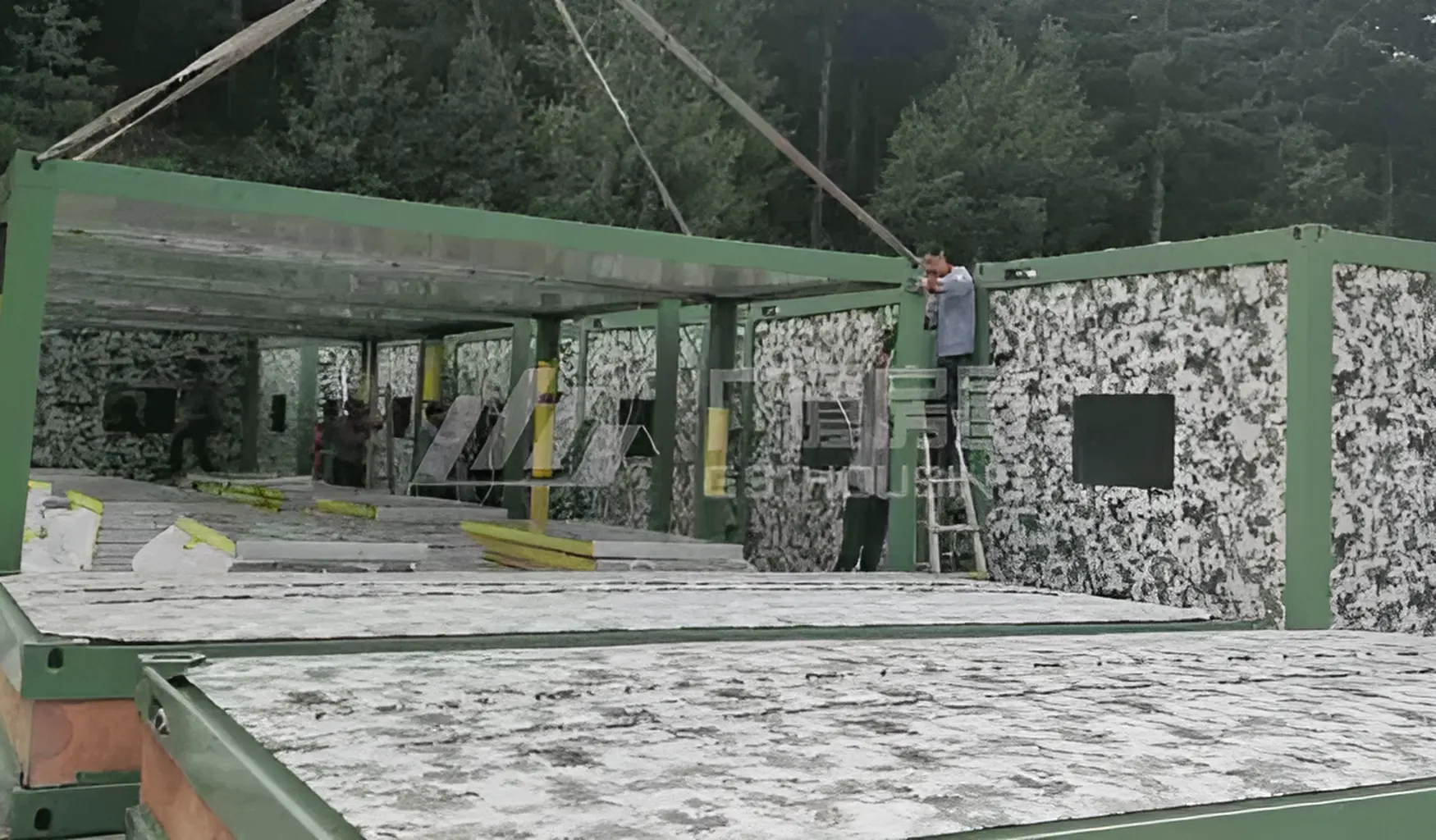
Unlike traditional construction in difficult winter environments, modular components are produced indoors under controlled conditions. Structural connections, insulation installation and sealing processes can be checked before transportation to site.
For remote mining projects, preventing problems before delivery is far more efficient than repairing buildings during winter operation.
Heating, Ventilation and Electrical Systems for Winter Operation
A cold-climate modular camp requires more than an insulated building envelope.
Heating, ventilation and electrical systems must be designed according to actual site conditions.
Heating Systems Designed for Extreme Conditions
Remote mining camps depend on reliable heating throughout the coldest months.
Heating system selection should consider:
- Minimum outdoor temperatures
- Available energy sources
- Building size
- Occupancy levels
- Local operating conditions
The goal is not simply maximum heating power.
A properly designed system provides stable indoor temperatures while avoiding unnecessary energy consumption.
Ventilation and Moisture Control
Cold climates create a difficult balance between fresh air requirements and heat retention.
Poor ventilation can increase humidity and condensation risks, while excessive air exchange increases heating demand.
A suitable ventilation system helps control:
- Indoor humidity
- Condensation risk
- Air quality
- Worker comfort
This is particularly important in:
- Dormitory buildings
- Kitchens
- Laundry facilities
- Medical rooms
Electrical Systems for Remote Winter Camps
Cold-climate projects also require careful electrical planning.
Heating equipment, lighting, office systems and daily appliances create higher power demand during winter operation.
Electrical design should consider:
- Total building load
- Peak heating requirements
- Equipment starting capacity
- Local electrical standards
A reliable electrical system helps prevent interruptions when the site is operating far from urban infrastructure.
Cold Climate Camp Layout: Reducing Worker Exposure to Extreme Weather
Cold-climate modular buildings are often evaluated by materials alone.
Insulation thickness, wall panels and heating systems are important, but the overall camp layout also affects winter performance.
A mining camp is not just a group of accommodation units placed together. It is a working environment where hundreds of people move between dormitories, dining areas, offices, laundry facilities and service buildings every day.
In extreme cold, unnecessary walking distance becomes an operational issue.
A five-minute outdoor walk between buildings may seem acceptable on a drawing. In reality, repeated exposure to freezing temperatures, strong winds and icy surfaces affects worker comfort, safety and productivity.
For this reason, cold-climate mining camps should consider:
- Compact arrangement of frequently used facilities
- Short walking routes between accommodation and dining areas
- Covered connections between key buildings where required
- Clear snow removal and maintenance access
- Building orientation based on local wind conditions
A well-planned layout reduces exposure to harsh weather and helps workers move safely through the camp during winter operations.
This is particularly important for workforce accommodation camps serving remote mining operations, where workers depend on reliable living conditions throughout long project cycles.
Which Projects Need Cold Climate Modular Buildings?
Cold climate modular solutions are widely used in locations where traditional construction faces long delays, high costs or limited accessibility.
Remote Mining Camps
Mining projects are often located far from existing infrastructure, making conventional construction difficult.
In northern regions, mountain areas and remote resource zones, modular buildings provide advantages including:
- Factory-controlled production regardless of weather delays
- Reduced on-site construction workload
- Faster deployment compared with traditional methods
- Flexible expansion as workforce requirements change
Modular systems can be configured for complete mining camp infrastructure, including:
- Worker accommodation
- Site offices
- Dining facilities
- Laundry buildings
- Medical spaces
- Recreation areas
For large-scale projects, this approach allows contractors to create a complete operational environment rather than only supplying temporary housing.
High-Altitude Industrial Projects
Cold temperatures are often combined with other environmental challenges at high-altitude sites.
Projects in mountainous regions may face:
- Reduced accessibility
- Strong UV exposure
- Limited construction seasons
- Difficult transportation conditions
By completing most manufacturing work in a controlled factory environment, modular buildings reduce the amount of labour required at challenging locations.
This makes them suitable for mining, energy and infrastructure projects located in remote mountain regions.
Northern and Continental Cold Regions
Cold-climate modular buildings are commonly used in areas such as:
- Canada
- Northern Europe
- Central Asia
- Russia
- High-altitude regions of South America
These locations often experience long winters where traditional construction productivity decreases significantly.
Modular construction allows production and site preparation to happen simultaneously, helping project teams maintain schedules despite difficult weather conditions.
Uzbekistan Modular Building Project: A Flexible Solution for Large-Scale Development
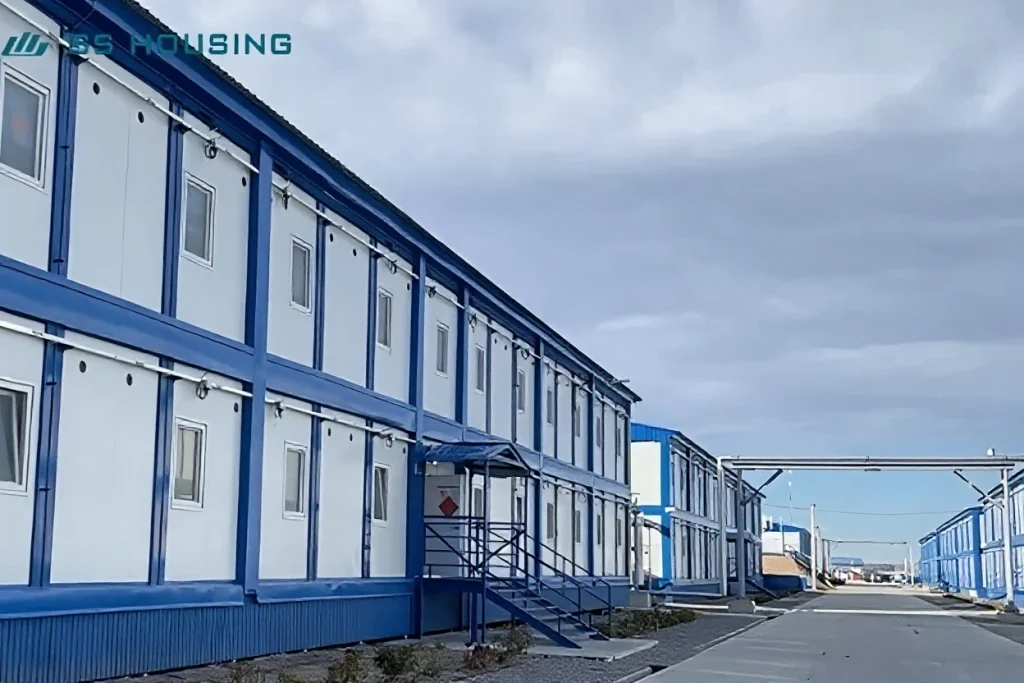
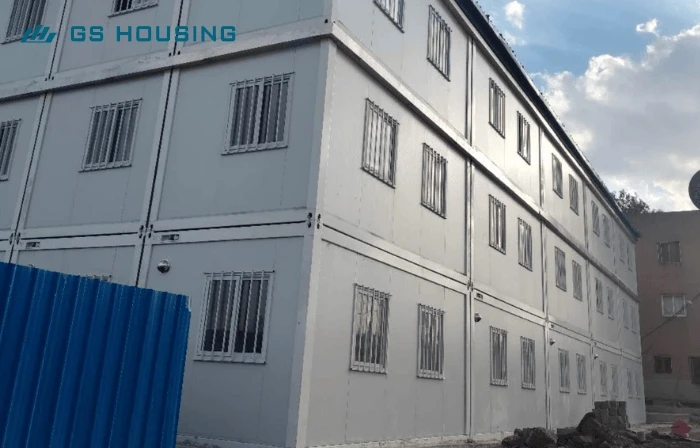
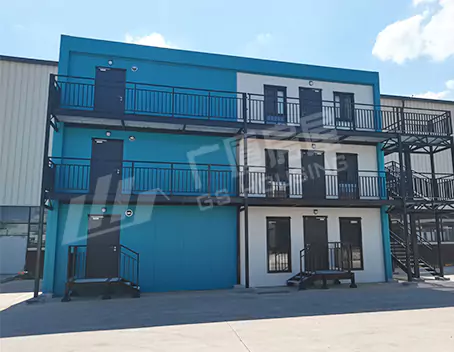
A practical example of modular buildings supporting cold-region development is GS Housing’s modular building project in New Tashkent, Uzbekistan.
Project Location:
New Tashkent, Uzbekistan
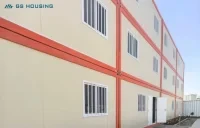
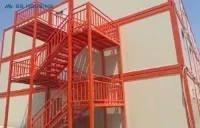
The project included 182 modular buildings designed for multiple functions, creating a complete working environment rather than simple accommodation.
The delivered modular system included:
- 100 accommodation modules
- 30 office modules
- 15 dining modules
- 6 laundry modules
- 16 stair modules
- 15 corridor modules

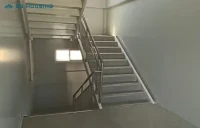
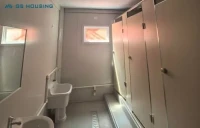
The project used a prefabricated cold-formed galvanised steel modular system designed for long-term use.
The buildings supported several operational functions:
- Worker accommodation areas
- Project coordination offices
- Technical and management spaces
- Dining facilities
- Laundry and service buildings
Instead of treating accommodation as an isolated requirement, the modular system created a complete site environment where workers could live, manage operations and access daily services within one coordinated layout.
This approach is particularly valuable for remote projects where building multiple traditional facilities would require significant labour, time and logistics.
Modular Buildings Designed for Long-Term Flexibility
One important advantage of modular construction is that buildings can continue creating value after the initial project stage.
After the New Tashkent development phase is completed, the modular buildings can be dismantled and relocated to other construction or industrial projects.
Steel structures and metal components can also be recycled, supporting more sustainable project planning and reducing material waste.
For contractors managing multiple projects, this creates a different cost perspective.
Instead of viewing temporary buildings as single-use assets, modular systems can become reusable infrastructure that supports future developments.
How GS Housing Customises Modular Buildings for Cold Climate Projects
Not every cold region requires the same building specification.
A mining camp in Central Asia, a northern industrial project in Canada and a high-altitude site in the Andes may all experience low temperatures, but their environmental challenges are different.
GS Housing adjusts modular solutions according to project conditions, including:
Insulation Upgrades for Colder Environments
For projects requiring stronger thermal performance, modular buildings can be customised with:
- Increased wall panel thickness
- Additional insulation layers
- Improved thermal protection solutions
The final configuration depends on local climate data, project requirements and expected operating conditions.
Climate-Specific Building Configuration
Cold-region projects may require adjustments to:
- Building envelope airtightness
- Heating system capacity
- Internal room arrangement
- Water and drainage protection
The purpose is not simply to add more materials, but to create a balanced system that performs efficiently in the local environment.
Transportation and Remote Site Planning
Remote projects often face complex logistics.
Factory production allows major building components to be prepared before transportation, reducing the amount of work required after arrival.
For Central Asian projects, delivery planning considers:
- Transportation routes
- Customs procedures
- Site access conditions
- Installation requirements
Specific delivery schedules are confirmed according to project location and scope.
What to Check Before Choosing Cold Climate Modular Buildings
Selecting a modular building for cold conditions requires looking beyond the initial purchase price.
Important factors include:
Local Climate Data
Before selecting a system, project teams should understand:
- Minimum winter temperatures
- Snow load requirements
- Wind conditions
- Humidity levels
- Site altitude
Building Envelope Performance
Review:
- Wall insulation system
- Roof structure
- Floor protection
- Panel connection details
- Airtightness performance
Long-Term Operation Requirements
Consider:
- Expected project duration
- Heating energy consumption
- Maintenance accessibility
- Possibility of relocation after completion
For remote mining projects, the cheapest initial option is not always the lowest-cost solution.
A building that performs reliably through several winters usually delivers better value than one requiring frequent repairs or upgrades.
Final Thoughts: Cold Climate Modular Buildings Require Complete System Planning
Successful cold-climate modular buildings are not defined by one material or one insulation layer.
Their performance comes from the combination of:
- Suitable structural systems
- Effective insulation design
- Airtight building connections
- Reliable heating and ventilation
- Practical camp layouts
- Climate-specific customisation
For mining companies, EPC contractors and industrial developers, the objective is not only to construct buildings quickly.
The real goal is to create a reliable working environment where employees can live comfortably, operations can continue safely and maintenance problems can be reduced during the most challenging winter conditions.
With factory-controlled production, flexible configurations and climate-based design adjustments, modular buildings provide a practical solution for remote workforce accommodation in some of the world’s coldest regions.
If you are planning a mining camp, industrial facility or remote accommodation project in a cold climate, contact GS Housing to discuss your project requirements. Our team can help develop a modular solution based on your site conditions, workforce requirements and long-term operation goals.