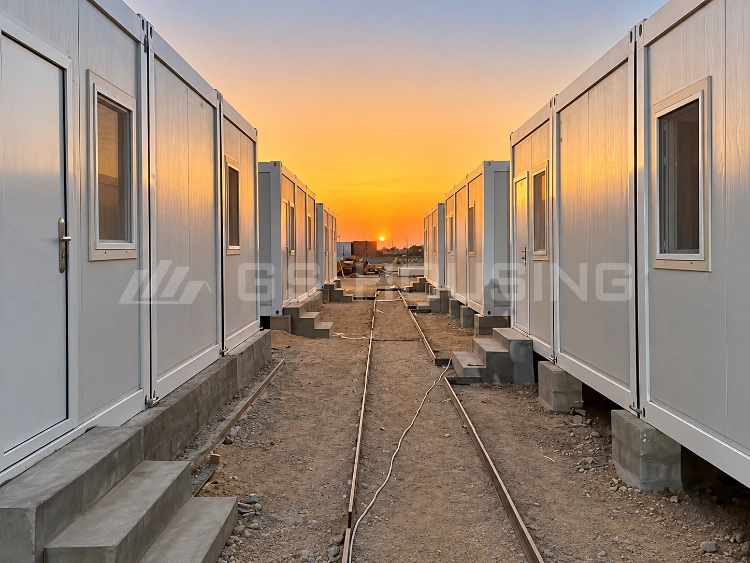
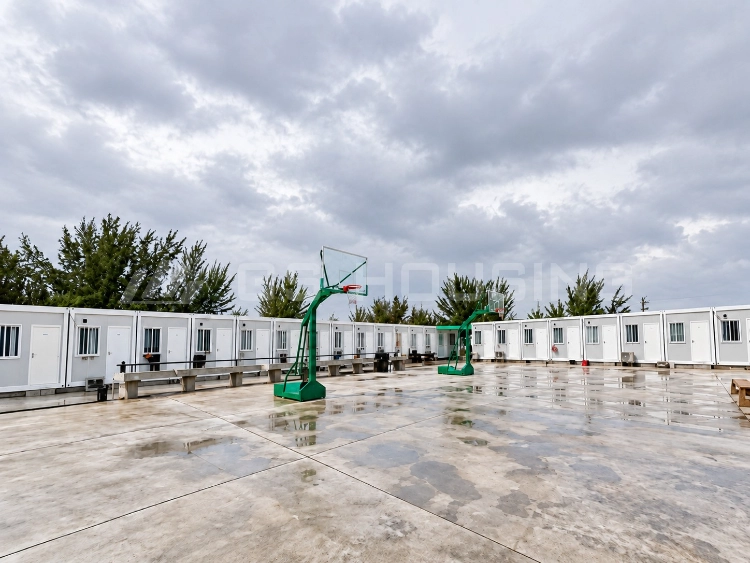
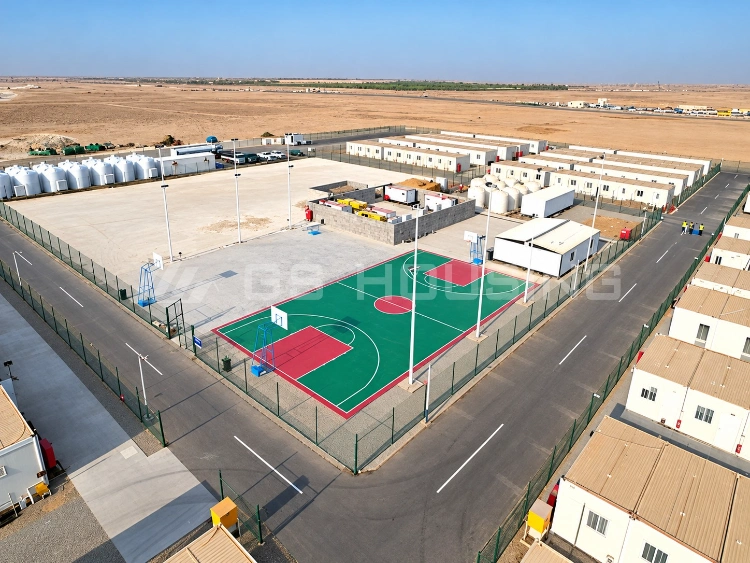
For remote project delivery, you are not only buying a prefabricated building system. You are buying project certainty: whether materials can reach the site, whether workers can move in on time, and whether installation can stay under control once the trucks arrive. That is why many overseas contractors look at ဂျီအက်စ် အိမ်ရာ when they need a supplier that connects design, manufacturing, transport, and installation in one process. The company has been involved in modular building solutions since 2001, focusing on prefabricated houses, camp buildings, steel structures, and quick-installation solutions for large-scale construction projects. Its value is clearer on difficult sites, where a late delivery or an unsuitable module combination can affect the whole schedule.
A remote prefabricated house project works better when transport planning starts early. Route checks, module size, unloading space, crane access, and site readiness all matter. Once these points are clear, the building itself becomes much easier to manage.
Why Transport Planning Matters for Remote Prefabricated House Projects
Transport is often treated as the last step after production. In remote projects, that order causes trouble. Road width, bridge limits, slope, turning radius, and weather windows should affect the plan long before dispatch. If you check these points too late, the house may be ready while the route is not.
Route Conditions Decide Delivery Efficiency
A remote project may sit near a mountain road, a mining site, a desert camp, or a long temporary access road. The road may allow small vehicles but not larger loads. It may also have sudden turns or narrow sections.
Before transport, you should confirm road width, overhead clearance, turning space, site gate size, and the final unloading direction. These details decide whether delivery stays smooth or becomes a chain of temporary fixes.
Module Type Affects Loading Flexibility
Module format changes the delivery plan. Larger prefabricated units can reduce site assembly, but they need better road conditions. Smaller or flat-pack units usually suit difficult access routes more easily.
These sizes matter because transport is not only about distance. It is about whether the selected house type matches the final road and lifting conditions.
Early Planning Reduces On-Site Disruption
When transport is included in the project plan, the site team works with fewer surprises. Delivery slots become easier to manage. Storage zones stay cleaner. Crane work becomes more predictable. Workers preparing foundations, utilities, and installation tools also know what arrives first.
| Off-site construction benchmark | Reported result |
| Productivity improvement | Up to 40% |
| Reduction in total construction time per floor | Up to 30% |
| Typical time savings | 1–2 months |
| Some projects | 4 months or more |
These figures vary by project, but they show why early coordination matters.
How Flat-Pack Container Houses Simplify Remote Project Delivery
For remote work, flat-pack house systems solve a very practical issue: how to move more usable building area through difficult routes without creating a heavy site workload. The key is the balance between factory preparation and field assembly.
Factory-Prefabricated Building Components
A flat-pack house system moves much of the work into the factory. Structural parts, wall panels, roof components, insulation, and utility-ready details can be prepared before dispatch. This reduces random cutting and repeated adjustment on site.
For project managers, that means fewer uncertain steps after arrival and a cleaner installation sequence.
Flexible Layouts for Worker Accommodation
Remote camps need rooms for various functional uses. A coordinated camp layout groups these areas around daily use, not just around the site boundary.
For large construction, the prefabricated camp approach is usually more useful than buying single units one by one. It lets you match building type, transport logic, and installation order before production begins.
Compact Transport for Project Camps
Compact delivery helps when access roads are long, temporary, or exposed to seasonal weather. Flat-pack transport also makes shipment planning easier, since more components can be grouped into a controlled sequence.
The real benefit is simple: you do not want your camp schedule controlled by unloading confusion. You want modules, tools, and labor to arrive in an order that supports installation.
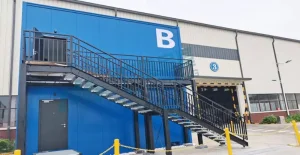
Transport Challenges for Mountainous and Remote Project Sites
Remote transport is rarely blocked by one major issue. More often, several smaller problems happen together: a narrow access road, rain, an unprepared laydown area, and late crane confirmation. Combined, they can slow the whole project.
Limited Road Access and Turning Space
Mountain roads and temporary construction roads often have sharp bends and limited passing space. You should confirm the full route from the last public road to the exact final unloading point. Site photos help, but a proper turning check is more reliable. If road conditions are uncertain, smaller or more flexible house formats usually reduce risk.
Higher Requirements for Offloading Coordination
Offloading is not a side task. It is part of the construction method. The site needs a stable unloading area, clear crane positioning, a safe worker route, and a known sequence for the first installed units.
If this is not planned, the transport may arrive on time but still fail to support installation on time.
Weather and Terrain Impact Installation
Weather changes installation rhythm. Rain softens soil. Strong wind affects lifting. Extreme heat slows manual work. Remote slopes also affect truck parking and crane positioning.
Weather should be written into the installation plan before delivery. A practical plan keeps work windows clear, prepares temporary protection, and avoids sending too many materials before they can be installed.
Why Should Installation Be Planned Before Transportation
The best transport plan still fails if installation is not ready. In remote projects, sending products early does not always help. If foundations are incomplete, utility lines are not prepared, or the crane cannot work where expected, materials only occupy the site and add risk.
Foundation Readiness Before Delivery
Foundation status should be checked before dispatch. Dimensions, anchor positions, drainage direction, and utility entry points all affect installation speed. When foundations are not ready, the whole house sequence is pushed back.
Crane and Equipment Access Planning
The lifting plan should match the actual house format, not a rough assumption. You need the unit weight, working radius, crane position, ground condition, and access space confirmed early.
| Installation checkpoint | What should be confirmed before delivery | Risk if skipped |
| Foundation | Dimensions, levelness, anchors, utility openings | Delayed installation and rework |
| Crane position | Ground bearing, operating radius, lifting path | Unsafe lifting or canceled unloading |
| Laydown area | Flat storage space near the installation zone | Double handling and site congestion |
| Access road | Final turning, gate width, unloading approach | Truck waiting or rerouting |
| Weather plan | Wind, rain, drainage, temporary covering | Installation stoppage and material exposure |
Faster Assembly With Professional Guidance
A trained installation team shortens the gap between delivery and use. Remote camps often involve local labor, subcontractors, or mixed teams. Clear drawings, installation supervision, and step-by-step sequencing reduce guesswork.
For buyers handling remote camp projects, technical support matters just as much as product supply.
How Can GS Housing Support Remote Prefabricated Camp Projects
Custom Camp Design for Different Project Needs
A remote camp is not a single building. It is a working system. You may need worker accommodation, office areas, sanitary blocks, dining space, storage, security rooms, and support buildings in one layout. That makes early planning more important than simply choosing one standard unit.
A coordinated product plan helps you match building function, route condition, and installation rhythm from the start.
Transport and Installation Support
Transport support is most useful when it starts before loading. The project team should confirm module selection, packing mode, delivery order, unloading plan, site storage, and installation rhythm together.
This creates fewer conflicts between logistics and construction and gives the site team a clearer path from arrival to handover.
Contact GS Housing for Remote Prefabricated Camp Solutions
When your project is far from major supply chains, you need a camp plan that matches the real site, not a catalogue sketch. Start with your location, worker count, room list, road condition, installation window, and project deadline. From there, the camp layout and transport plan can be built around actual delivery conditions.
ကိုယ်ပိုင်စိတ်ကြိုက် ကမ်းလှမ်းချက် ရယူပါ for Your Remote Prefabricated Camp Solution!
မေးလေ့ရှိသောမေးခွန်းများ
Q: What should be checked first before transporting prefabricated houses to a remote site?
A: Start with the route. Confirm road width, turning space, bridge or height limits, final gate access, and unloading area. If the route is not clear, the transport plan is not ready.
Q: Why are flat-pack house systems suitable for remote project camps?
A: They balance factory preparation with compact delivery. That helps when road access is difficult, while still reducing unpredictable work left for the site team.
Q: When should crane planning begin?
A: Before dispatch, not after arrival. Crane position, ground condition, lifting radius, working space, and installation order should all be fixed while the transport plan is being prepared.
ဒီဇာတ်လမ်းကို မျှဝေလိုက်ပါ၊ မိမိနှစ်သက်ရာ ပလက်ဖောင်းကို ရွေးချယ်လိုက်ပါ။
 ဘေးအန္တရာယ်ကယ်ဆယ်ရေးနှင့် အရေးပေါ်အကာအကွယ်စီမံကိန်းများအတွက် မြေငလျင်ခံနိုင်သော ကွန်တိန်နာအိမ်များ
 GS Housing သည် ၁၃၉ ကြိမ်မြောက် ကန်တုံပြပွဲတွင် ဖလက်-ပက် ကွန်တိန်နာအိမ်များနှင့် မော်ဒျူးလာ ဆောက်လုပ်ရေး ဖြေရှင်းချက်များကို တင်ဆက်သည်။