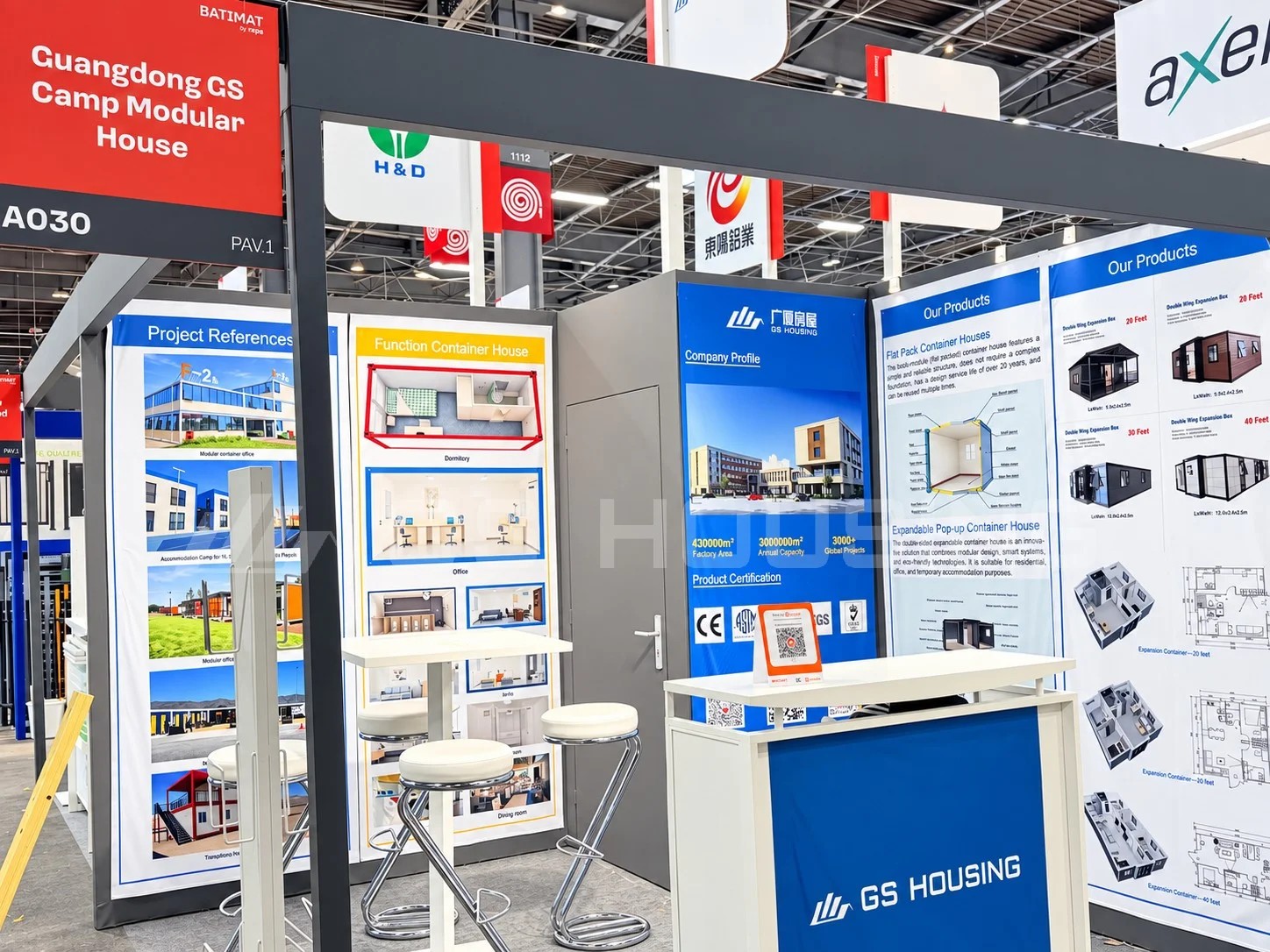
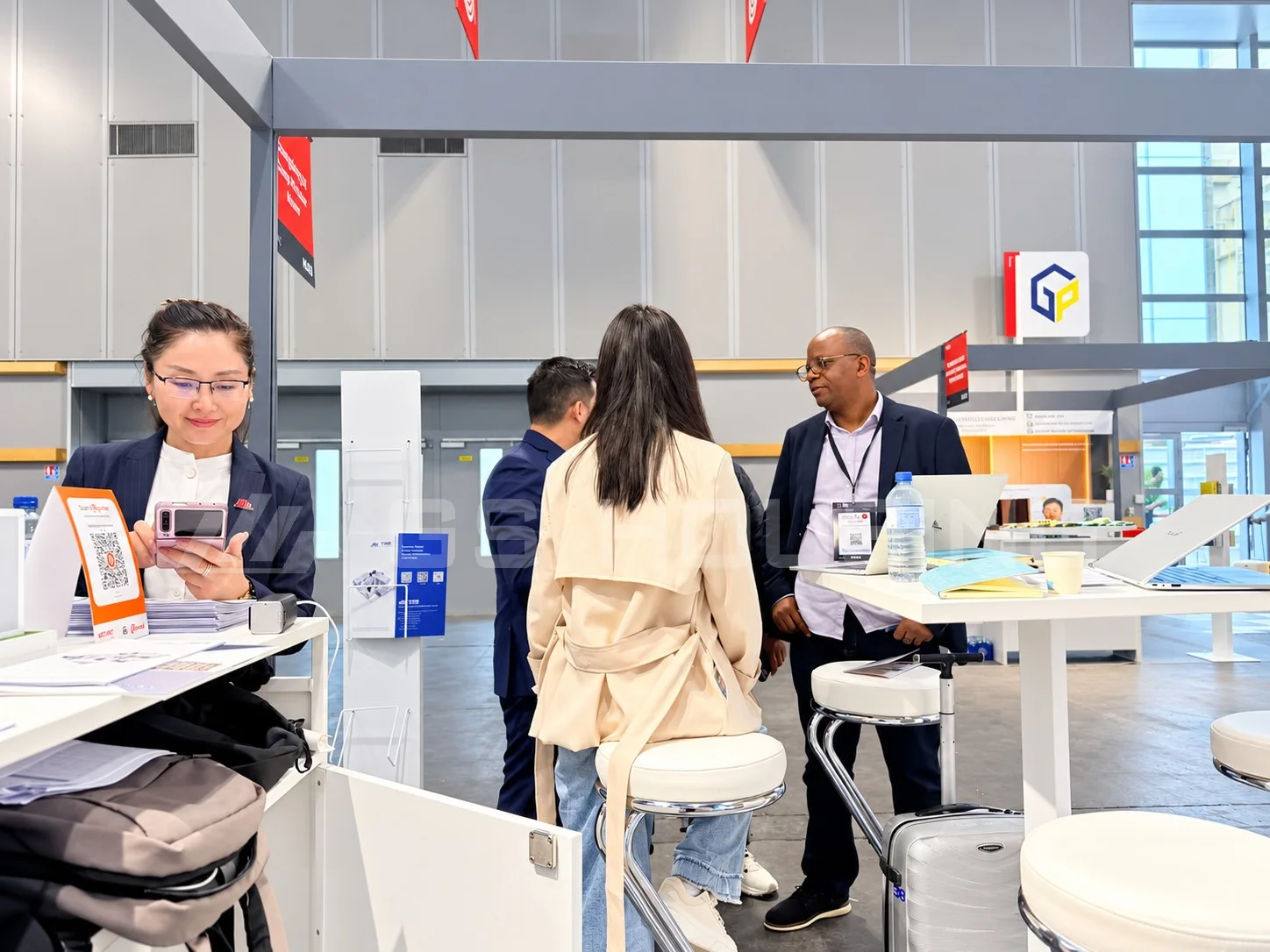
BATIMAT 2026 is now underway in Paris, bringing together professionals from the building and construction industry to exchange ideas, compare solutions, and discuss future project needs. During the exhibition, GS Housing is welcoming visitors at Stand H1-A030 to discuss မော်ဂျူးပုံစံ ဆောက်လုပ်ရေး ဖြေရှင်းချက်များ for construction sites, workforce accommodation, project camps, temporary offices, sanitary facilities, and other site support spaces.
As construction projects face pressure from labor availability, tight schedules, limited site access, and changing space requirements, many visitors are looking for building systems that can move faster from planning to use. For GS Housing, BATIMAT 2026 is not only a product display opportunity, but also a platform for discussing how modular buildings can be planned around real site conditions, project stages, and long-term use.
From Product Selection to Project Planning
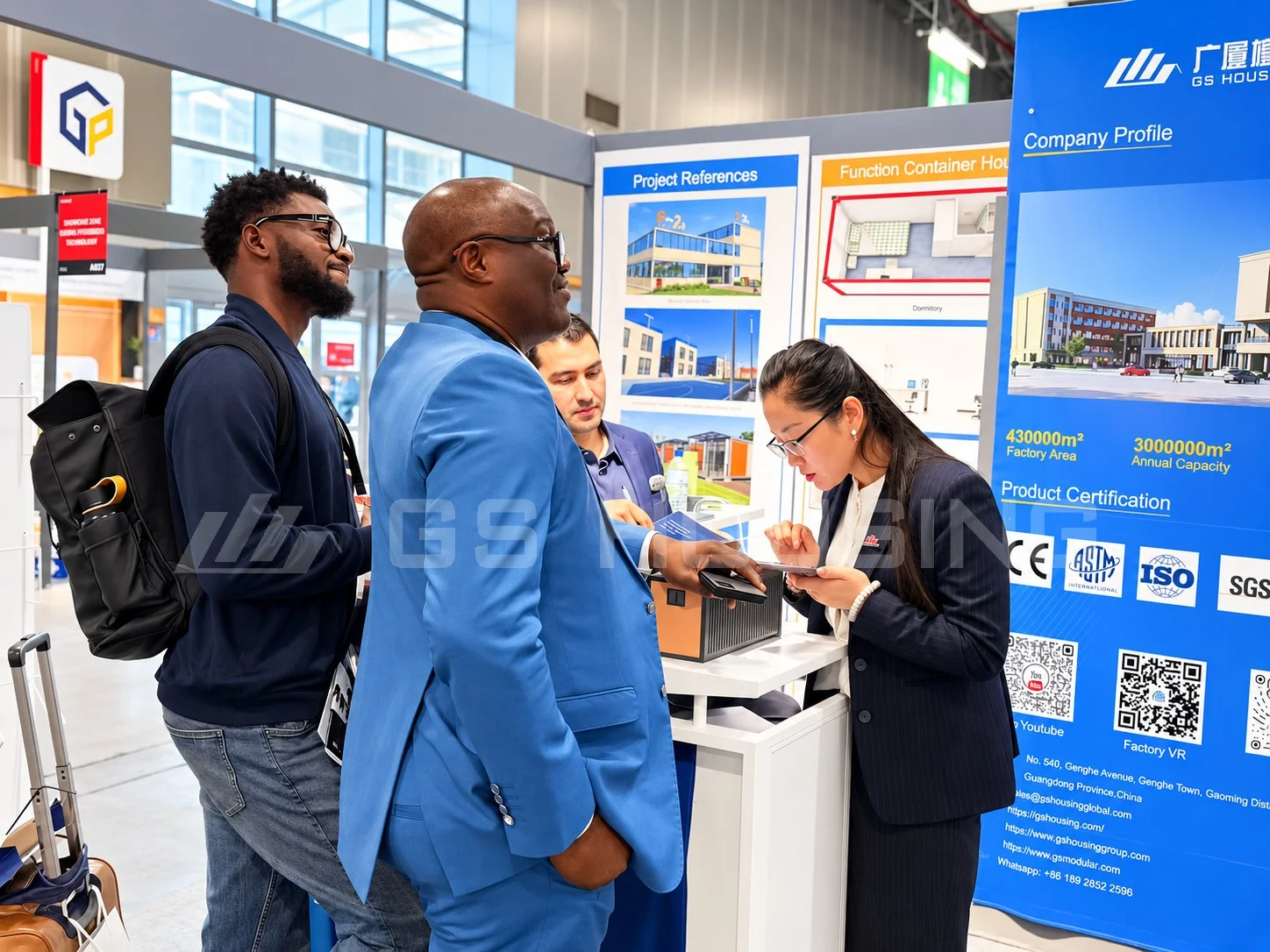
At the exhibition, conversations with visitors often begin with a simple product question, but quickly move into broader project planning. A contractor may need temporary offices and worker accommodation before the main project reaches full activity. A developer may need support buildings during early site preparation. A distributor may want to understand which modular products are easier to promote, install, maintain, and supply in the local market.
These needs are different, but they all require more than choosing a standard unit. Project teams need to consider site layout, building functions, expected occupancy, access roads, lifting conditions, utility connections, delivery timing, and installation responsibilities before the final configuration is confirmed.
This is why GS Housing is using BATIMAT 2026 to help visitors review modular buildings as part of a complete project system, rather than as isolated houses.
Modular Buildings for Construction Sites and Support Facilities
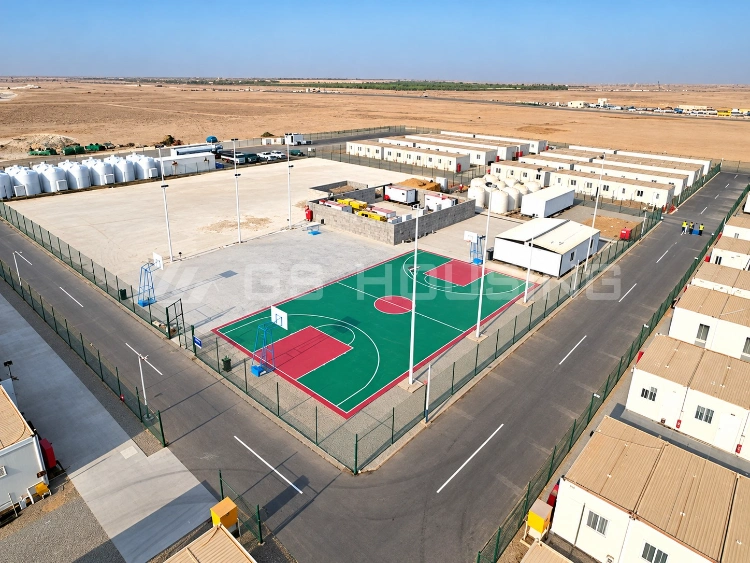
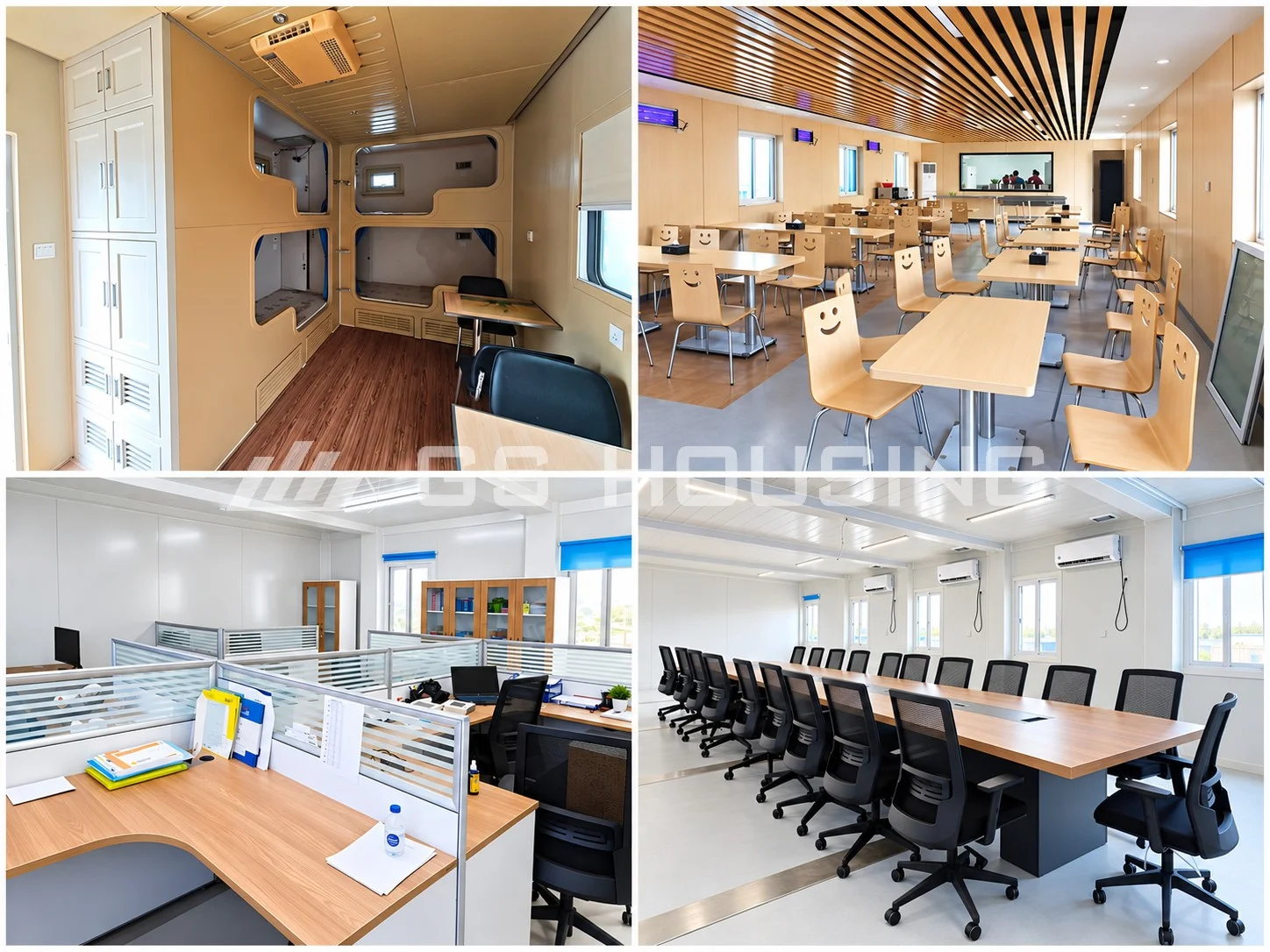
Construction sites and project camps usually require several types of buildings at the same time. A site may need offices, meeting rooms, accommodation blocks, dining areas, kitchens, toilets, showers, storage rooms, security rooms, and management spaces. If these functions are planned separately, later changes may affect transportation, installation, utilities, and daily operation.
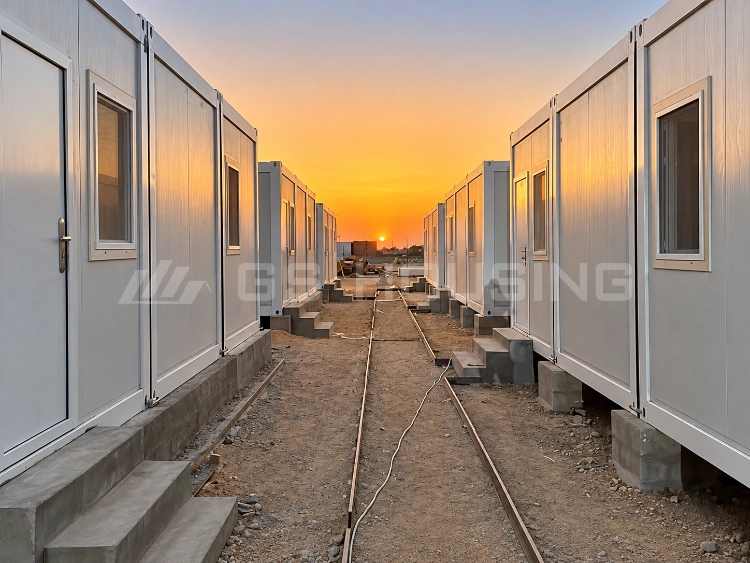
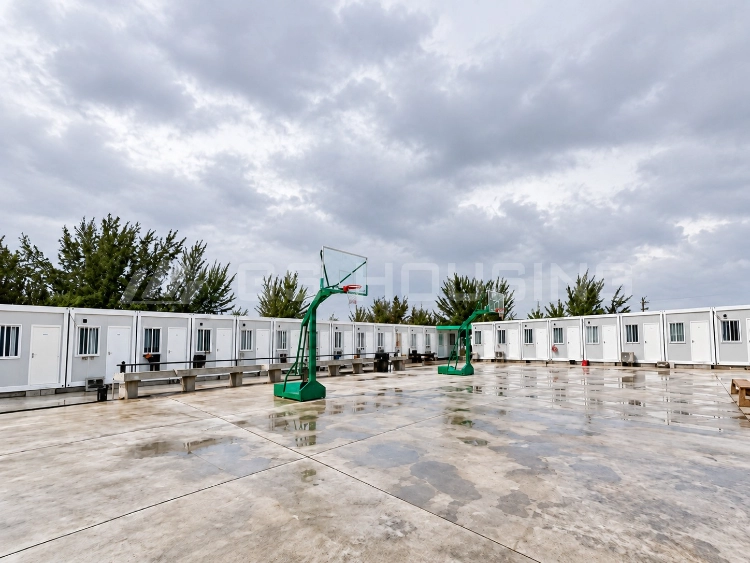
GS Housing modular building solutions can be configured for different site functions and combined according to the project layout. Flat-pack container houses can support repeated room types and phased project delivery, while expandable container houses can provide larger usable space from a compact transport form. For larger camps, modular buildings can also be planned as a complete accommodation and support system.
For project buyers, the value is not only faster installation. The more important point is whether the building solution can match the actual project schedule, workforce plan, site restrictions, and future adjustment needs.
Discussing European Project Requirements at the Stand
At BATIMAT 2026, many discussions are connected to the practical requirements of European and international projects. Visitors are asking about building functions, layout flexibility, documentation, delivery planning, installation support, and how modular buildings can adapt to different project environments.
For GS Housing, these conversations are important because modular construction depends on early coordination. Before production begins, project teams should define the room schedule, utility interfaces, transport route, foundation conditions, lifting method, and installation sequence. If these details are confirmed too late, changes may affect both factory production and site work.
By discussing these points face to face at the exhibition, visitors can better understand which modular solution fits their project, what information should be prepared before quotation, and how to reduce unnecessary revisions before procurement moves forward.
Connecting Factory Production with Site Delivery
A modular building project does not end when the units leave the factory. Successful delivery also depends on packing, transportation, unloading, foundation readiness, utility connection, installation guidance, and handover checks.
GS Housing supports modular project applications through factory production and project coordination. For projects involving several building functions or phased delivery, early planning helps ensure that accommodation, offices, sanitary units, dining areas, storage spaces, and other support buildings are delivered and installed in a more organized sequence.
This approach is especially useful for construction sites, workforce camps, remote project locations, and temporary facilities where space, time, and site access are limited.
Meet GS Housing at BATIMAT 2026
BATIMAT 2026 is still in progress, and visitors are welcome to meet GS Housing at Stand H1-A030 to discuss modular building solutions for construction sites, project camps, အလုပ်သမားအဆင်ပြေအောင်နေထိုင်ခွင့်, sanitary facilities, and other project support buildings.
ပြပွဲ: BATIMAT 2026
ရက်စွဲ: September 28 – October 1, 2026
ကျင်းပမည့်နေရာ: ပါရီ ပြပွဲ ဗာဆိုင် တံခါး
လိပ်စာ: ၁၊ Place de la Porte de Versailles၊ 75015 ပါရီ၊ ပြင်သစ်
ရပ်နေပါ အိပ်ချ်၁-အေ၀၃၀
To make the discussion more efficient, visitors can bring project drawings, room schedules, site information, delivery plans, installation conditions, and required technical documents.
စီမံကိန်းဆွေးနွေးရန် သို့မဟုတ် နောက်ထပ်အချက်အလက်များအတွက် ဆက်သွယ်ရန်:
အီးမေးလ်: ella@gshousingglobal.com
ဝက်ဘ်ဆိုက်: GS Housing official website
GS Housing looks forward to meeting more construction professionals, contractors, developers, distributors, and procurement teams in Paris, and supporting future modular building projects with practical, project-ready solutions.

ဒီဇာတ်လမ်းကို မျှဝေလိုက်ပါ၊ မိမိနှစ်သက်ရာ ပလက်ဖောင်းကို ရွေးချယ်လိုက်ပါ။
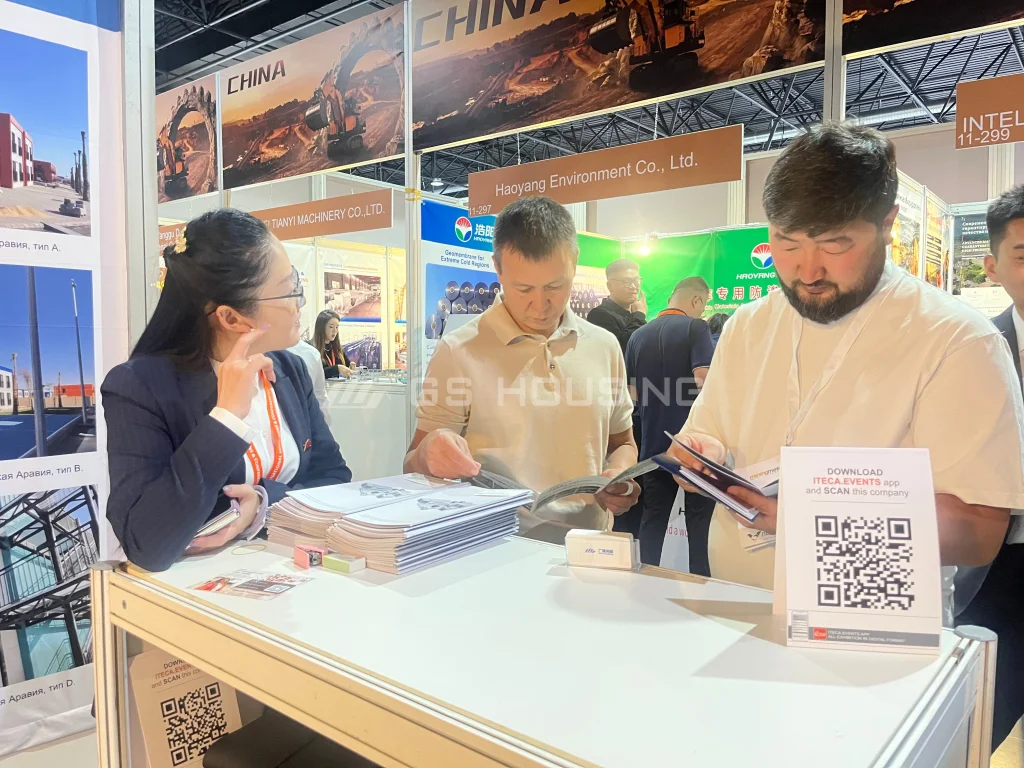 GS Housing သည် Mining and Metals Central Asia 2026 တွင် သတ္တုတူးဖော်ရေးအဆောက်အအုံနှင့် ဆိုက်အခြေခံအဆောက်အအုံများအကြောင်း ဆွေးနွေးသည်။