On a large construction project, the camp is often scheduled last but needed first. Crews cannot mobilize until beds, offices, dining halls, showers and medical rooms are ready on site. When those buildings are built from raw materials at the project location, the project effectively runs two construction jobs at once — the main works, and a second camp-building job with its own labour, materials and coordination demands.
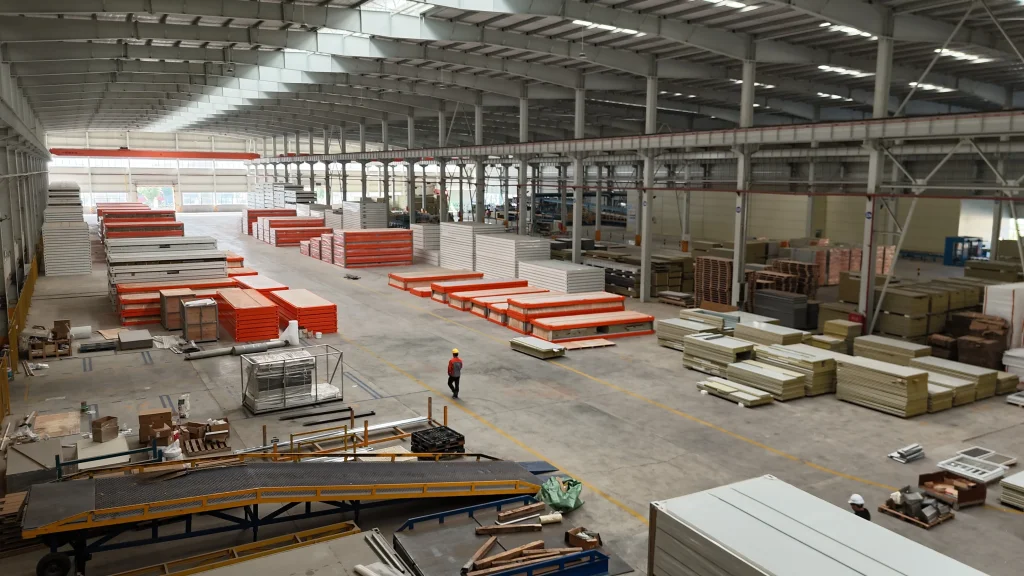
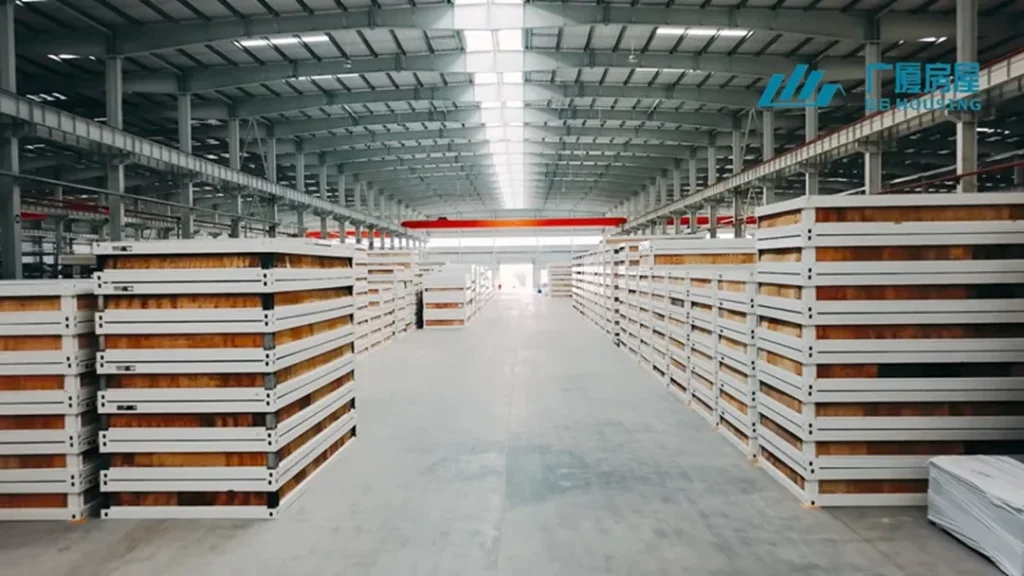
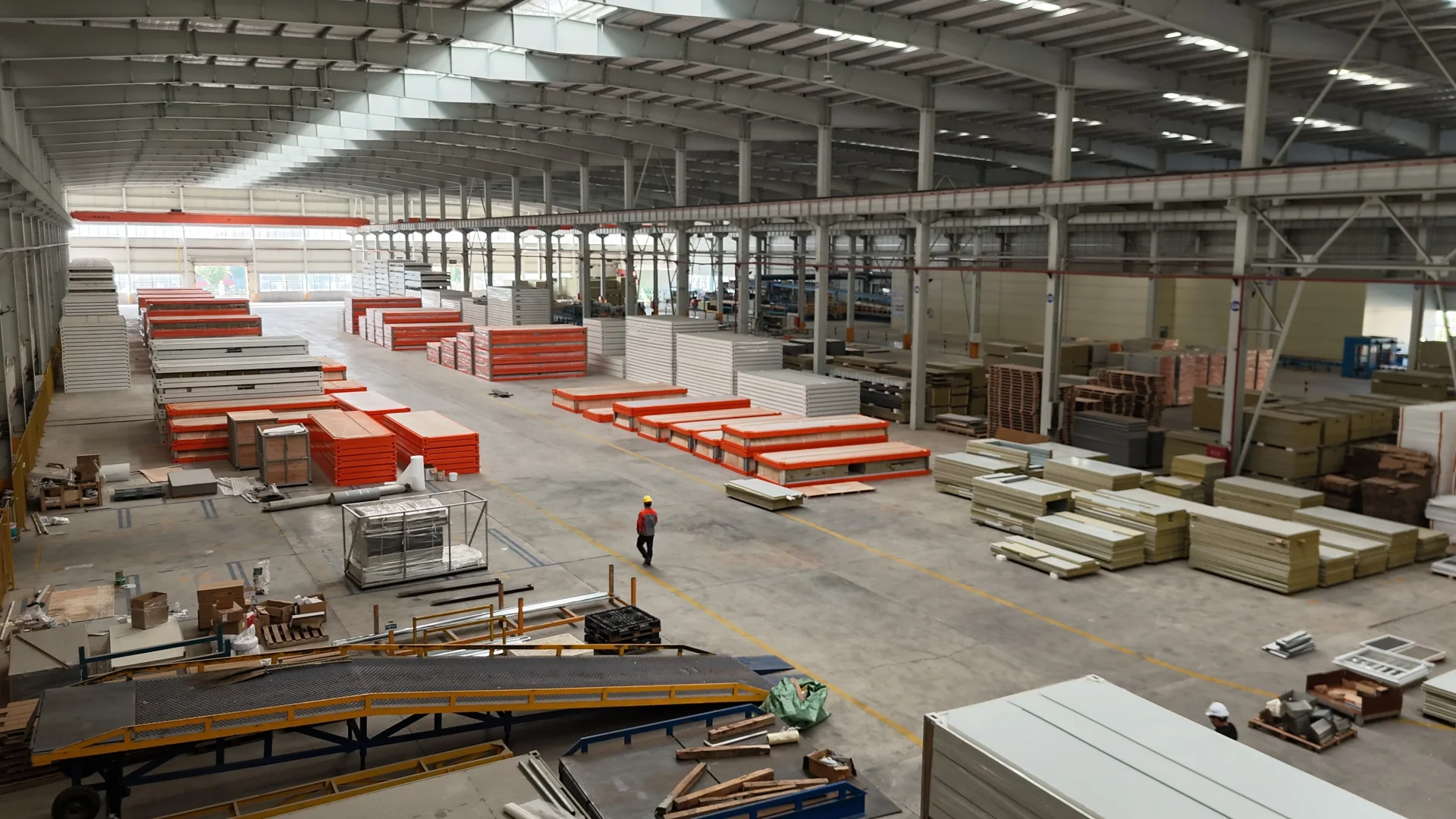
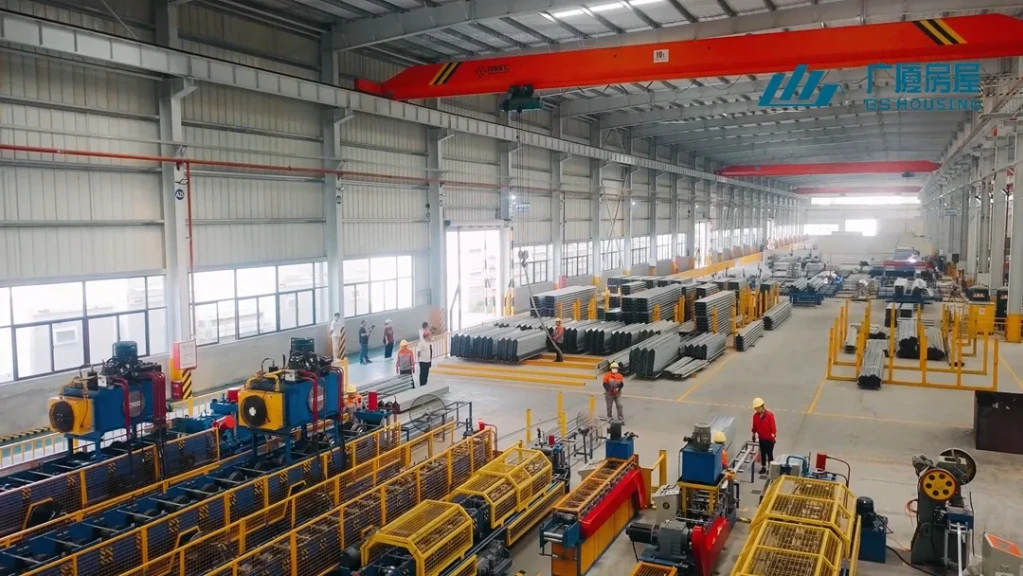
A modular camp shifts a significant portion of the building work into a factory. Buildings are manufactured under controlled conditions, shipped to the project and assembled on prepared foundations. Because the modules arrive as finished components, factory production and site preparation can advance in parallel instead of in sequence.
For large construction, mining, energy and infrastructure projects, this difference can influence how quickly the main workforce can move onto site.
Why Large Projects Are Well Suited to Modular Construction Camps
The larger the project, the more buildings and functions need to be coordinated. A construction camp may include worker accommodation, modular site offices, meeting rooms, dining areas, medical facilities, sanitary buildings and recreation spaces. Building all of these from raw materials on site requires coordination between different trades, material suppliers and construction sequences.
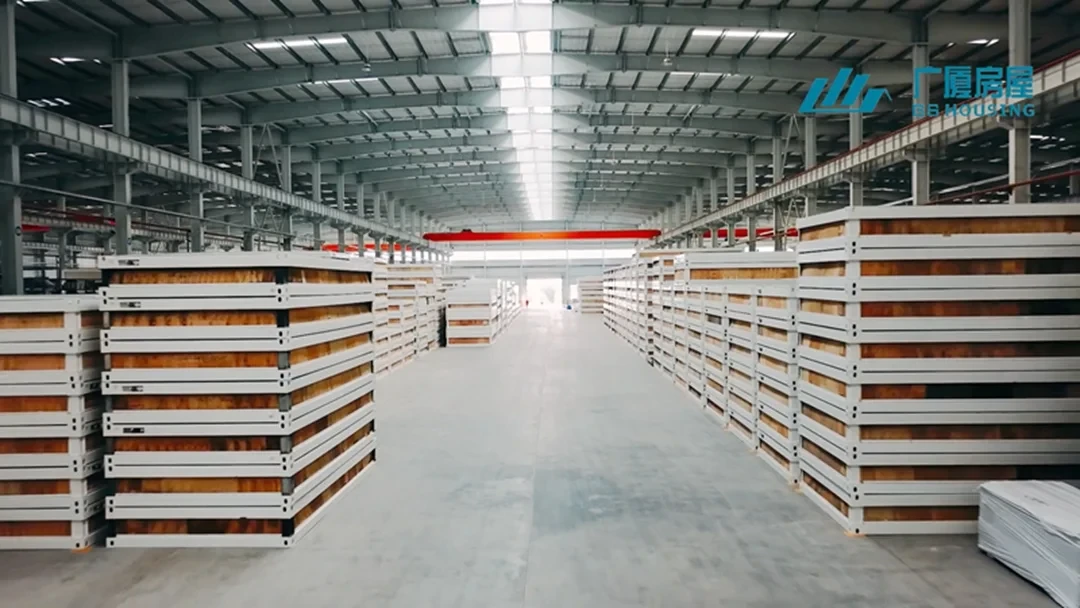
With a modular construction camp, most of these building components are produced in a factory before they reach the site. The work is organized so that factory production and site work move forward at the same time rather than waiting for each other. The site still needs foundations, utility connections and other infrastructure — the difference is that the main buildings arrive as finished modules, so the site team works with a modular building system instead of coordinating every structural element on location.
Factory Production and Site Preparation Run in Parallel
The main efficiency gain comes from running factory production and site preparation at the same time. After the drawings are finalized against the actual site conditions, the factory begins manufacturing the required modules.
Meanwhile, the project team prepares foundations, roads, drainage, utility connections and other site infrastructure.
This does not mean modular construction eliminates site work. It changes what happens on site. Instead of constructing every building element from the beginning, the team receives factory-produced modules and focuses on positioning, connections and integration with the prepared site.
For projects with a fixed schedule, this parallel workflow uses the available time more effectively. Building production does not have to wait for all site preparation to be completed, while site preparation can progress before the modules arrive.
Batched Production for Large Modular Workforce Accommodation
Large projects rarely need only one type of building. A workforce accommodation project may require hundreds or even thousands of units covering different functions — accommodation in one area, offices, dining and medical rooms in another.
Factory production suits this pattern. Once the design and specifications are confirmed, modules are produced in batches, with different types of units manufactured within the same production program. Prefab camp buildings — offices, dining halls and sanitary blocks — can be produced alongside accommodation units without requiring each building to be constructed separately on site.
Batch production also simplifies the supply process. Instead of managing each building as an independent site task, the project team works with a modular building supplier to coordinate standardized modules against one production and delivery schedule.
Phased Delivery Keeps Large Construction Camps on Schedule
A large modular camp can involve hundreds or thousands of units, which makes transportation and site logistics part of the planning. Large projects do not necessarily need to receive every unit at once. Modules are delivered in batches according to project size, production planning and site readiness.
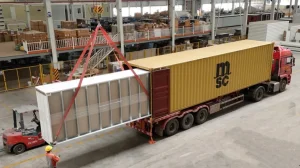
Phased delivery lets production and transportation continue while parts of the site become ready for installation. Different areas of the camp can be completed at different stages, and installation can be organized around available areas instead of waiting for the entire site to be finished.
Delivery planning is finalized after the project drawings are confirmed, taking into account order volume, production planning and site conditions.
A Modular Camp Can Combine Different Project Functions
Efficiency is not only about installing modules quickly. It is also about bringing different functions together within one coordinated building system.
A large camp may need to support workers through different stages of a project. Accommodation, offices, dining, medical care and recreation each have different requirements, but they operate within the same site. A modular system can be configured for these applications while maintaining a coordinated overall layout.
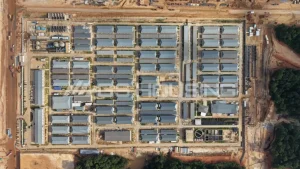
This matters most on mining, oil and gas, energy and infrastructure projects, where workforce numbers are large and support facilities must be delivered alongside the main programme. The 2025 Indonesia IPIP project provides a practical example.
2025 Indonesia IPIP Project — 1,158 Modular Units
In 2025, GS Housing supplied 1,158 modular units for the Indonesia IPIP project. The camp combined workforce accommodation, modular offices, dining areas, medical facilities, recreation spaces and supporting infrastructure.
At this scale, the challenge is not simply supplying individual buildings. A coordinated production and delivery programme was needed to manage a large volume of modules with different functions. The project also shows how a prefab building manufacturer can organize batch production while site preparation progresses, with delivery phased according to site readiness.
Rather than treating each building as an independent site construction task, the project was managed as one modular supply programme, documented in GS Housing’s project case studies.
Why Modular Camps Can Improve Project Efficiency
The efficiency of a modular camp comes from how the work is organized, not from one installation step. Factory production progresses while the site is being prepared; modules are manufactured in batches and delivered in phases as the project develops.
For project owners and EPC contractors, the result is less site-based structural work and a more predictable supply process. Working with a modular camp supplier that coordinates design, production and delivery simplifies the camp programme.
GS Housing supports this through project-specific design, factory production, phased delivery and installation guidance. The right approach depends on the project location, site conditions, building functions and required schedule.
FAQ
What is a modular camp?
A modular camp is a group of factory-produced buildings that provide accommodation and supporting facilities for a project workforce. Depending on the project, it may include accommodation, offices, dining, medical, sanitary and recreation facilities.
Can factory production and site preparation happen at the same time?
Yes. Once the design is finalized against the project site conditions, factory production can proceed while foundations, roads, utility connections and other site preparation work are carried out.
Are large modular camps delivered all at once?
Not necessarily. For larger projects, deliveries can be phased according to site readiness, allowing installation teams to work on completed areas while other modules remain in production or transit.
How long does modular camp production take?
The schedule depends on order volume, production planning and project conditions. For many projects, delivery is generally targeted within around two months after the drawings are finalized, though this varies with the specific project requirements.
Does GS Housing provide installation support?
GS Housing provides installation manuals and videos. When required, engineers can also provide on-site installation guidance for module positioning, connections and site integration.
Planning a Modular Camp for a Large Project?
The most suitable modular solution depends on site conditions, workforce requirements, building functions and the project schedule. GS Housing supports projects from design and factory production through phased delivery and installation guidance.
If you are planning a large construction, mining, energy or infrastructure project, contact GS Housing to discuss your modular camp requirements, site conditions and delivery schedule.