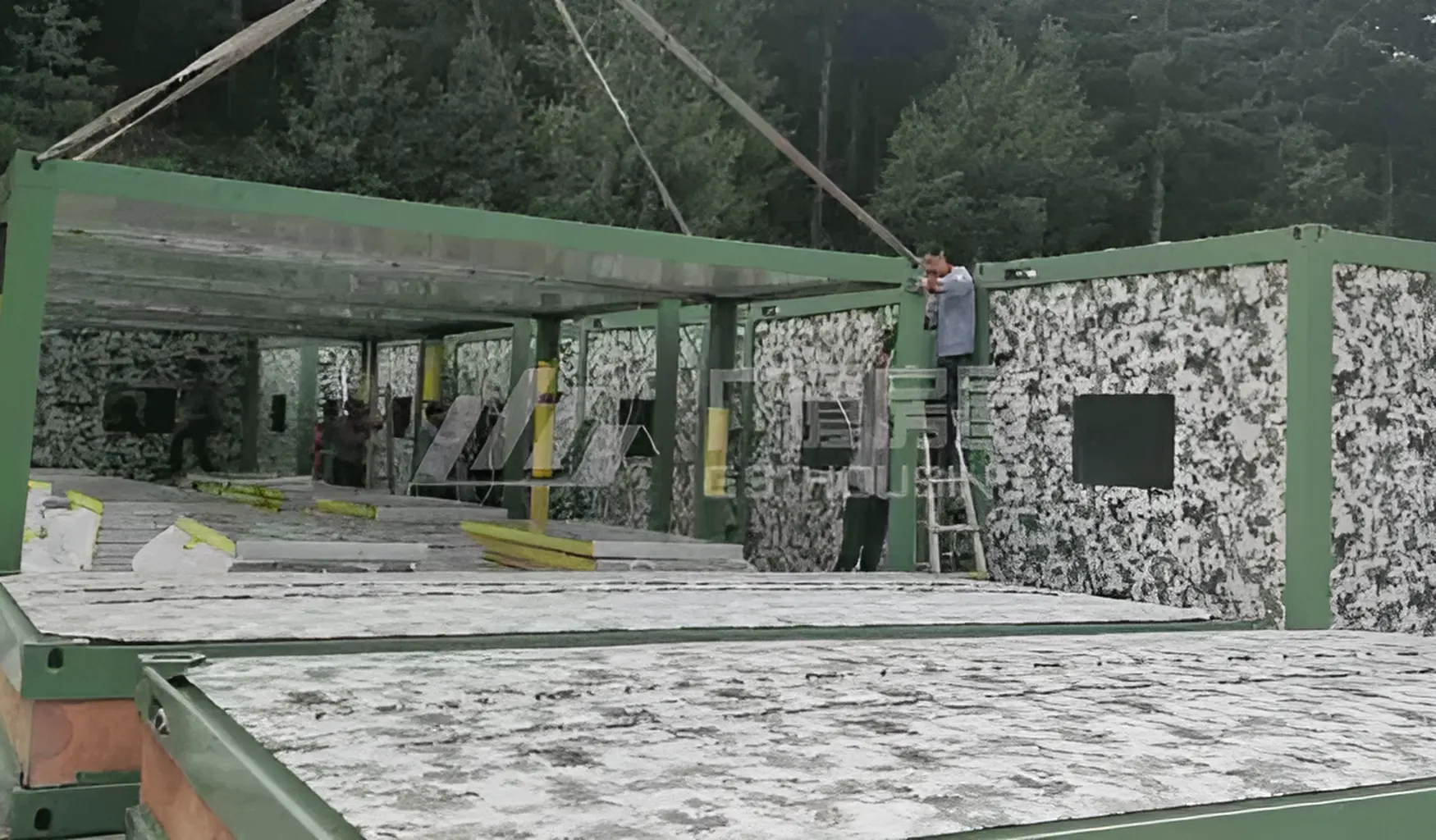
Mining Camp Project Overview
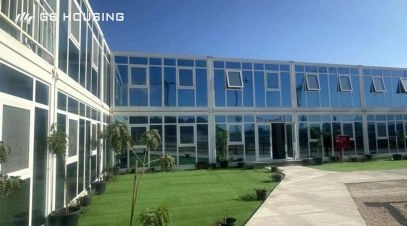
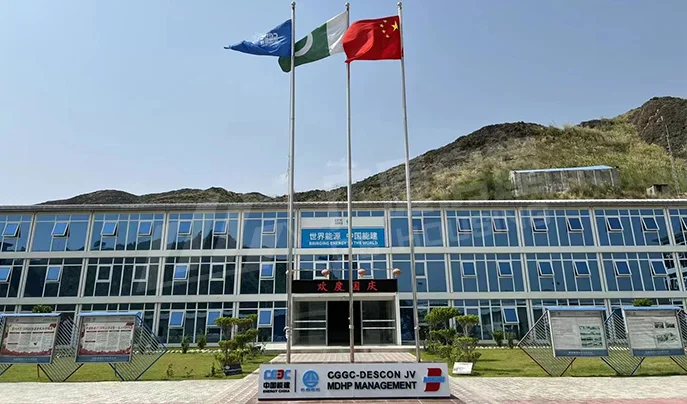
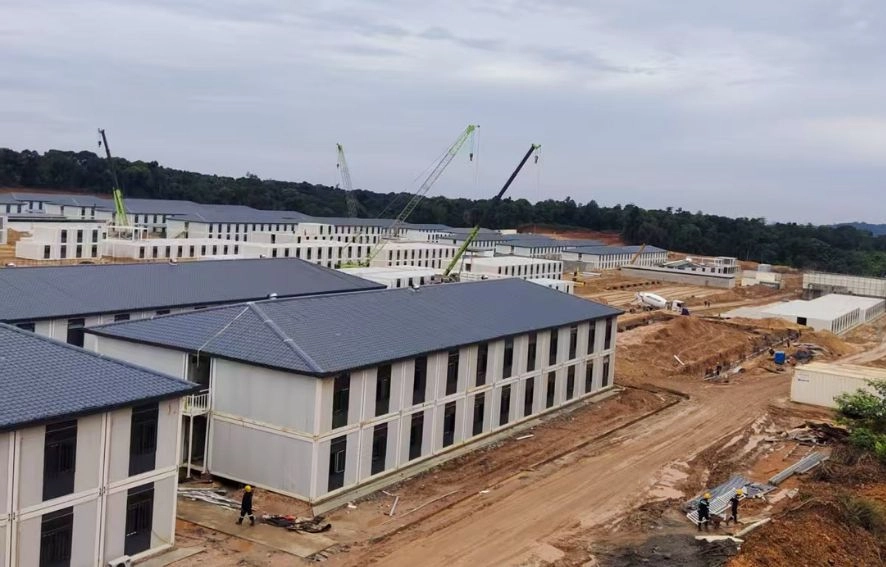
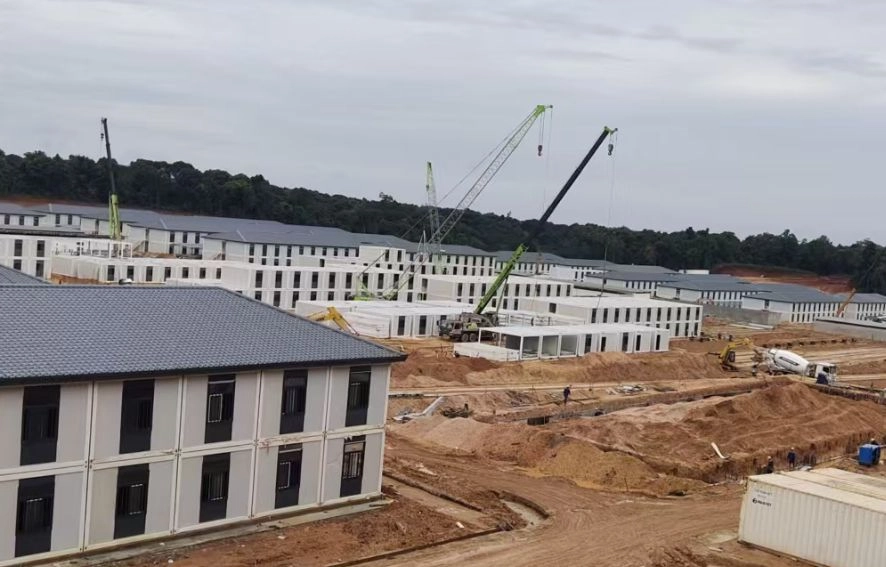
The mining camp in Indonesia for the IPIP project was developed to support worker accommodation and site operation needs during the construction stage. The project required a temporary living and working environment where construction workers and project staff could stay near the site while daily project activities continued.
Instead of only arranging basic dormitory buildings, the IPIP project needed a camp system with several supporting functions. The camp includes staff dormitories, canteen facilities, supermarket space, medical housing, portable offices, leisure areas, water supply, sewage treatment, parking, and warehouse facilities. These functions help the site operate as an organized accommodation and support area for workers and management teams.
For a mining-related industrial project, workforce housing is closely connected with site progress and daily management. Workers need places to rest, eat, receive basic medical support, and access daily services. Project teams also need office and meeting spaces for coordination. This is why the IPIP mining camp was planned as a modular temporary camp with both living and working functions.
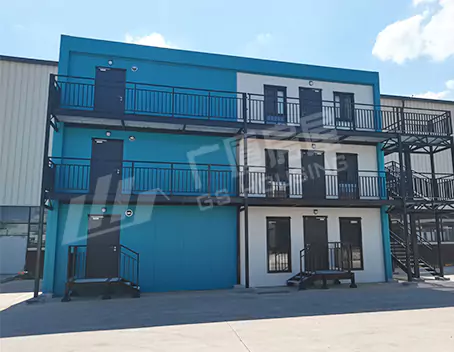
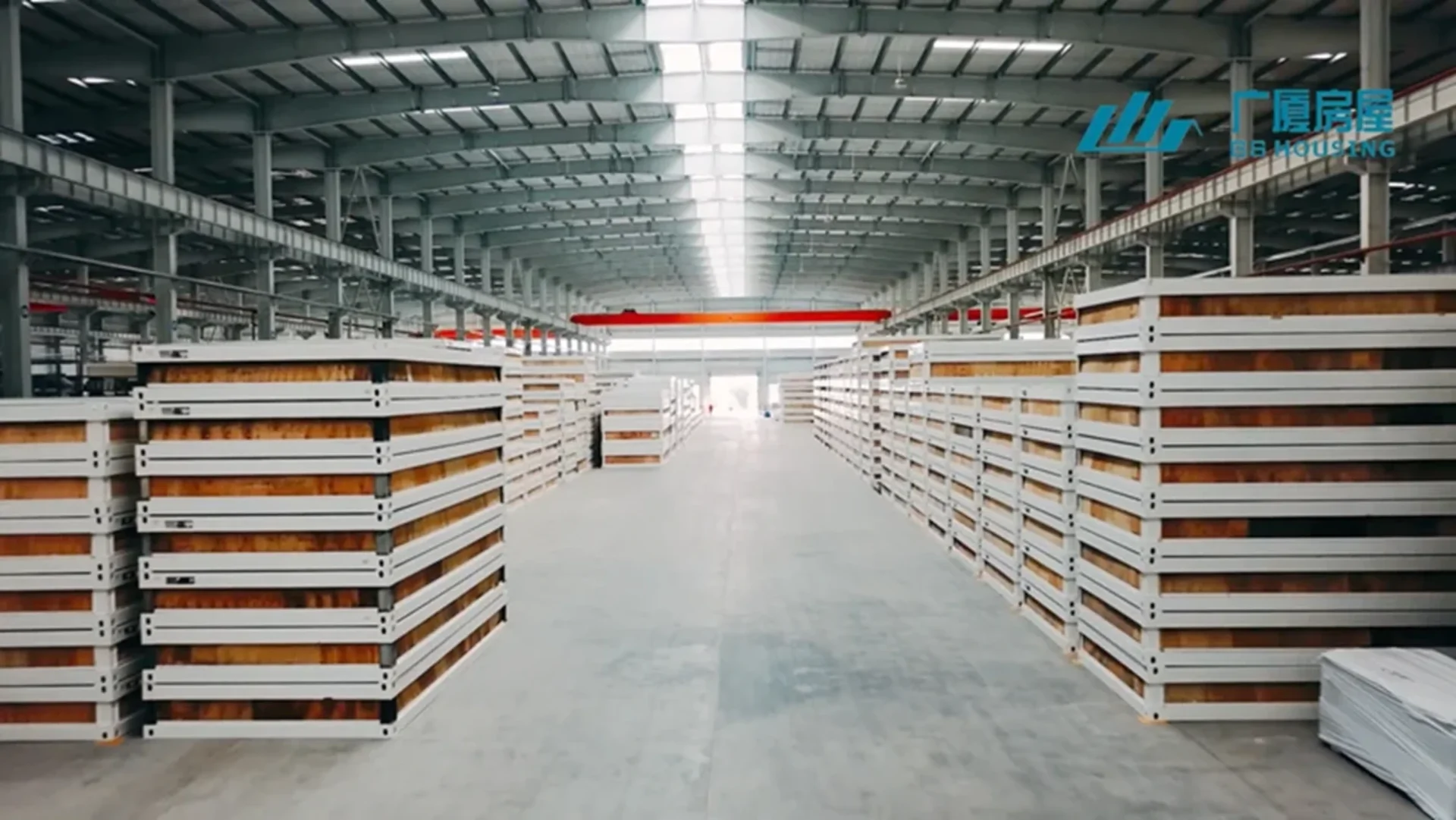
GS Housing provided modular temporary camp buildings for this project, helping create a practical site facility system for the IPIP project in Indonesia.
Project Facts
- Project Name:IPIP Modular Accommodation Camp in Indonesia
- Location:Indonesia
- Project Type:Mining camp accommodation project
- Application:Worker accommodation and site support facilities
- Main Users:Construction workers and project staff
- Building System:Modular temporary camp buildings
- Main Functions:Staff dormitory, canteen, supermarket, medical housing, portable office, leisure area, water supply, sewage treatment, parking, and warehouse
- Supplier:GS Housing
These project facts show that the IPIP mining camp is not a single accommodation building. It is a modular site facility system that combines accommodation, dining, office, medical, leisure, and infrastructure support functions.
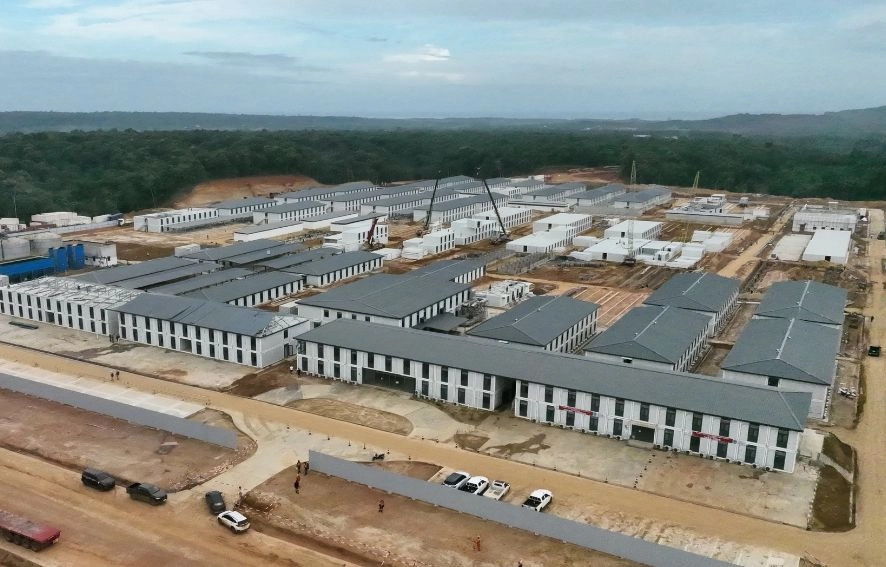
Project Background and Site Needs
Project Background and Site Needs
The IPIP project is related to Indonesia’s mining and industrial development. During the early stage of project construction, workers and project staff needed temporary housing close to the site. In this kind of environment, permanent accommodation and supporting facilities may still be under development, so a modular camp can provide usable space during the construction phase.
The mining camp helps solve several practical site needs. It provides rooms for workers, dining areas for daily meals, office spaces for management, and service areas for health, leisure, and logistics. This type of layout supports workers’ daily routines while allowing project teams to manage site activities more conveniently.
For projects involving both Chinese and Indonesian workers, accommodation planning also needs to consider different living habits and cultural needs. The IPIP camp includes separate dormitory areas and food services that support different daily requirements, making the site more suitable for a mixed workforce.
Staff Dormitory Area
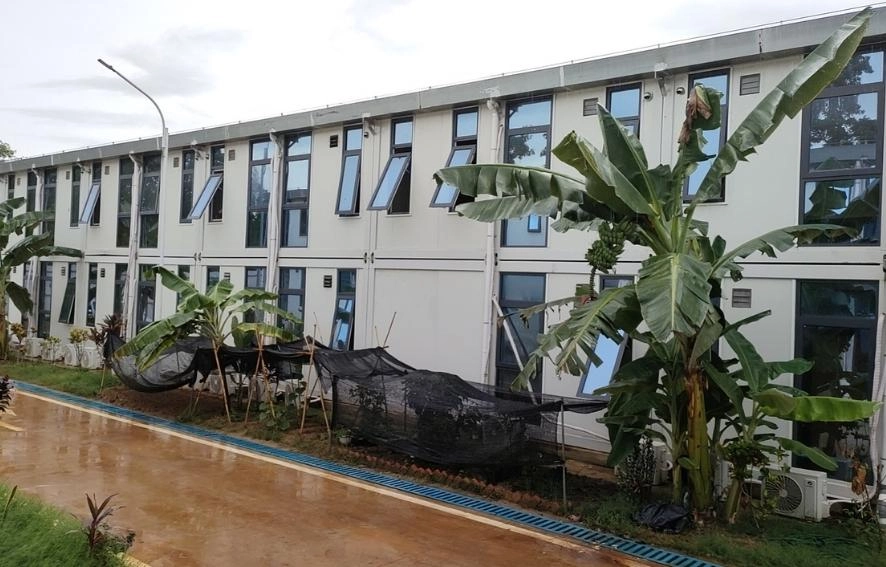
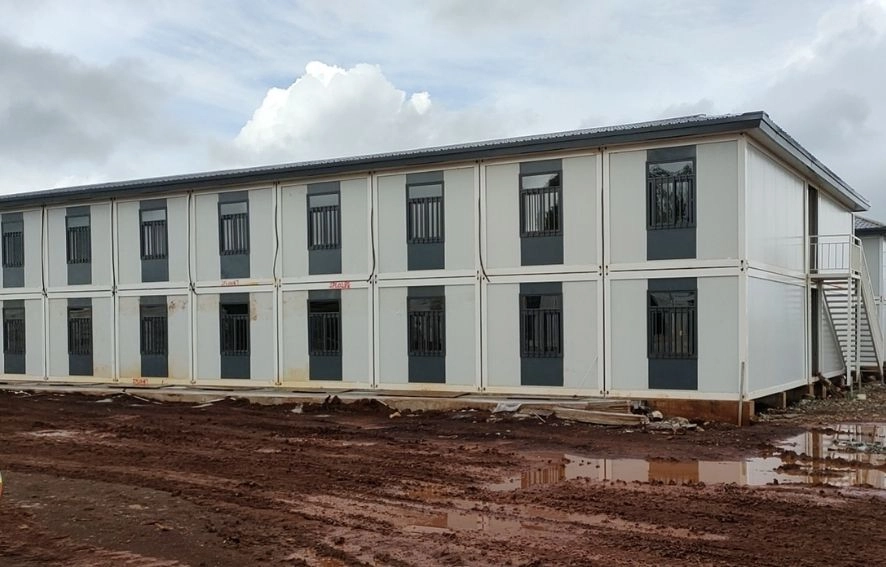
The staff dormitory area is one of the main parts of the IPIP mining camp. The living area includes dormitories for workers and project staff, with separate areas for Chinese and Indonesian employees. This arrangement helps support daily management and provides a more organized accommodation structure for workers from different backgrounds.
The rooms include air conditioning and private container bathrooms. In Indonesia’s climate, these features help improve indoor usability and daily comfort. For workers who stay at the project site for a longer period, room conditions and bathroom access are important parts of the overall camp experience.
The dormitory layout also supports site efficiency. Workers can live near the project area, reducing travel time between living space and workplace. This helps the project team manage daily schedules and workforce movement more easily.
Canteen and Supermarket Services
Canteen and Supermarket Services
The IPIP mining camp includes canteen and supermarket functions. The canteen provides both Chinese and Indonesian food to meet different dietary needs. This is useful for a project with workers from different countries and cultural backgrounds.
Food service is an important part of camp operation. Workers need reliable meal arrangements during the construction period, especially when the project site is far from existing commercial areas. A canteen inside the camp helps reduce the need for workers to leave the site for meals.
The supermarket provides daily necessities and snacks. This function helps workers access basic supplies more conveniently. For a project site with limited nearby services, an internal supermarket can make daily life more manageable and support a more stable camp environment.
Medical Housing and Worker Support
Medical Housing and Worker Support
The project also includes emergency medical housing. This facility is equipped with nurses, resident doctors, and basic medical equipment to support common health needs and work-related injury response.
For a mining camp, medical support is an important function. Industrial project sites may involve physical work, changing weather, fatigue, and minor injuries. Having medical housing inside the camp can help provide faster basic response and reduce pressure on external medical resources.
This does not mean the camp replaces larger medical systems, but it provides a practical first-level support space for workers and project staff. It also shows that the camp was planned with worker health and daily site support in mind.
Portable Office and Meeting Space
Portable Office and Meeting Space
The IPIP mining camp includes portable office areas and prefab conference spaces. These spaces support project management, meeting arrangements, document handling, team coordination, and communication between departments.
For mining-related industrial projects, management teams often need to stay close to the construction site. A portable office inside the camp allows engineers, supervisors, and project managers to work near the project area. This can make communication more direct and support faster daily coordination.
The office area also helps separate management functions from living areas. This makes the camp layout clearer and supports a more organized work environment.
Leisure and Community Facilities
Leisure and Community Facilities
The camp includes leisure facilities such as a gym court, badminton hall, TV room, and reading room. These areas provide workers with spaces for exercise, rest, and social activities after work.
A mining camp with leisure functions can better support workers who live on site for an extended period. Recreation spaces help make the camp feel less like a basic temporary shelter and more like a managed living community.
These facilities also support the camp’s community-based management approach. Workers can access shared spaces inside the camp, which helps improve daily life and creates a more balanced accommodation environment.
Infrastructure and Support Area
Infrastructure and Support Area
The support area includes water supply systems, sewage treatment plant, parking lot, and warehouse. These facilities are necessary for the daily operation of a large accommodation camp.
Water supply supports daily living, cooking, cleaning, and sanitation. Sewage treatment helps maintain hygiene and environmental management within the camp. Parking areas support vehicle movement, while warehouse space supports material storage and logistics.
For a modular mining camp, these support systems are as important as accommodation buildings. Without infrastructure support, the camp cannot operate effectively for longer project periods.
Project Value
Project Value
The IPIP mining camp in Indonesia shows how modular temporary camp buildings can support mining-related industrial projects during the construction phase. By combining dormitories, canteen, supermarket, medical housing, portable offices, leisure areas, and support infrastructure, the camp provides a practical living and working environment for workers and project staff.
The project also reflects the need to adapt camp planning to local conditions and workforce composition. The camp considers the living needs of both Chinese and Indonesian workers, while also providing shared services for daily life and site operation.
For mining-related projects in Indonesia, this type of modular camp can provide flexible site support while the main project continues to develop.
GS Housing Project Role
GS Housing Project Role
GS Housing supplied modular temporary camp buildings for the IPIP project in Indonesia. The company supported the project with accommodation units, canteen space, medical housing, portable office areas, leisure facilities, and infrastructure-related camp functions.
This project reflects how modular construction can be used to form a practical worker accommodation system for industrial sites. Instead of supplying only one type of building, GS Housing provided a modular camp solution that connects living, working, medical, service, and support functions within one site environment.
Conclusion
Conclusion
The mining camp in Indonesia for the IPIP project provides a modular accommodation and site support solution for construction workers and project staff. It includes staff dormitories, canteen services, supermarket access, emergency medical housing, portable offices, leisure spaces, water supply, sewage treatment, parking, and warehouse facilities.
By using modular temporary camp buildings, the project creates an organized accommodation and working environment during the construction phase. For mining-related industrial projects that need workforce housing and site support, this type of mining camp provides a practical and adaptable solution.