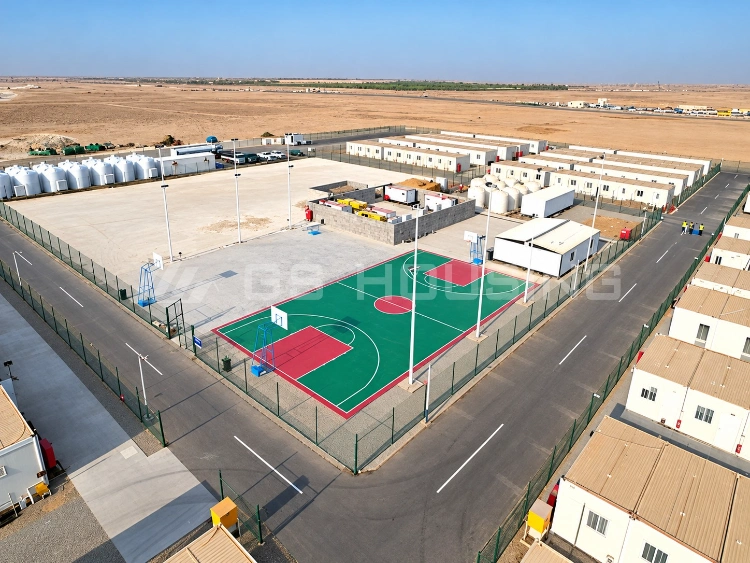
Remote camps, site offices, and short-term accommodation projects often need buildings before the site is fully ready. Roads may be narrow and local labor may be limited. Quick installation houses help project teams create usable living and working spaces faster. For buyers, a prefab house must reach the site safely, fit the available land, support daily use, and remain practical when the project changes. This is why buyers should plan the camp by transport route, room function, installation sequence, and future expansion.
GS Housing supplies modular container housing for project camps, construction sites, offices, and temporary accommodation. Its product range includes Prefabricated Camp solutions and Flat Packed Container Houses. These options are useful when a project needs factory-prepared units, flexible room layouts, and technical support for installation.
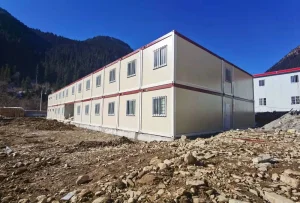
What Makes Quick Installation Houses Practical for Temporary Project Sites?
Temporary project sites need buildings that solve direct problems. Workers need a safe place to sleep. Engineers need offices. Supervisors need meeting rooms. The site may also need bathrooms, showers, dining areas, storage, and security rooms. Quick installation houses are practical because these functions can be planned as repeatable units instead of separate on-site buildings.
Factory Prefabrication That Reduces On-Site Work
Factory prefabrication moves many construction steps away from the project site. For camps and temporary accommodation, this can reduce the amount of cutting, welding, finishing, and coordination needed on site.
This is useful in remote areas where materials are harder to source and skilled workers may not be available in large numbers. A practical prefab solution should arrive with a clear assembly method, defined parts, packing information, and drawings that the installation team can follow.
Modular Layouts for Multiple Functions
One project rarely needs only one room type. A camp may start with dormitories and offices, then add dining halls, shower rooms, meeting rooms, or extra accommodation later. Modular units make this easier because the layout can be planned by function.
For temporary accommodation, easy to install prefab houses can be grouped into dormitory zones, while office units can be placed closer to the entrance or project control area. This keeps worker movement, visitor access, and daily management more organized.
Faster Deployment for Time-Sensitive Projects
Fast deployment matters when the main project cannot wait for permanent buildings. If the camp is not ready, workers cannot stay near the site. If offices are not ready, coordination becomes harder.
Quick installation houses help reduce that pressure. They can shorten the path from delivery to use when the buyer prepares site access, foundation conditions, lifting equipment, and installation sequence early.
Why Are Quick Installation Houses Easier to Deploy in Remote Projects?
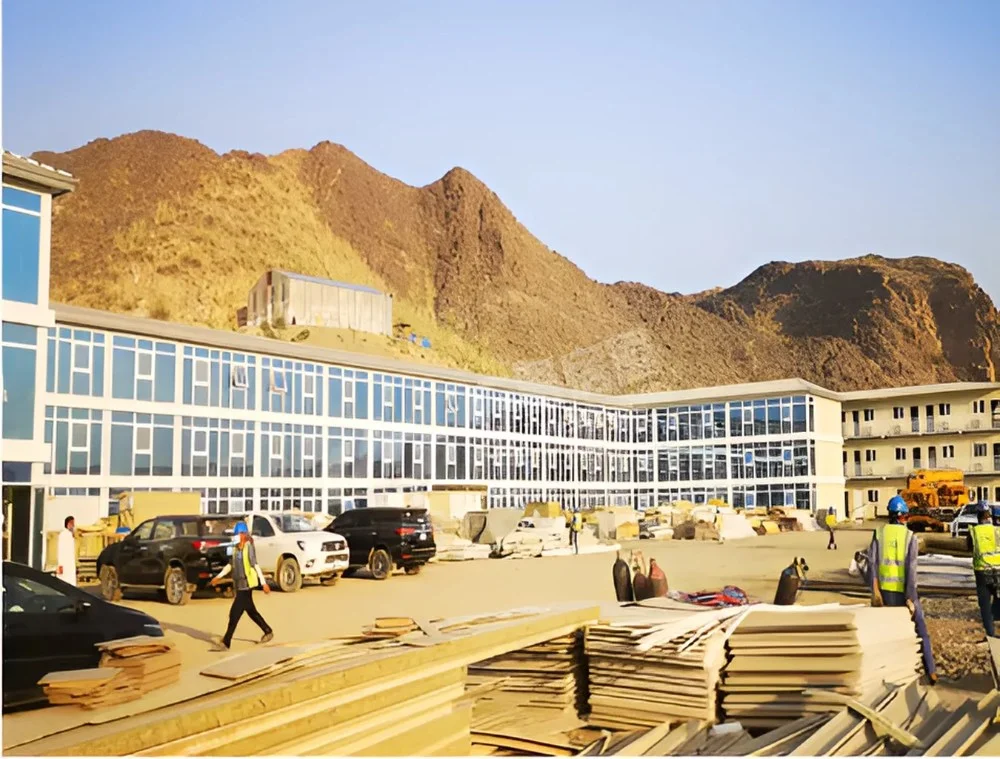
Remote projects add cost at every step. Transport is longer. Road conditions may be poor. Weather can delay unloading. Local materials may not arrive on time. That is why quick installation houses for remote camps should be selected with logistics and assembly in mind, not only room size.
Lower On-Site Labor Requirements
A remote site may not have enough workers for traditional construction. It may also be expensive to keep a large installation crew on site for a long period. Modular houses reduce this problem by simplifying the work into assembly, connection, and inspection.
Buyers should still check what support is included before ordering. Useful support may include layout review, packing advice, installation drawings, assembly guidance, and function planning for accommodation, offices, sanitary rooms, dining areas, and service buildings.
Compact Transport and Easier Delivery to Site
For distant construction areas, transport planning can be as important as the building itself. Flat pack prefab houses for easy transport can help buyers load, move, and deliver units more efficiently than bulky finished structures in many project conditions.
This does not mean every site should choose the same product. Buyers should compare container loading, road access, unloading space, local lifting equipment, storage space, and the final assembly plan before deciding.
Flexible Expansion as Project Needs Change
Construction camps and field offices often change during the project. The first stage may need only small prefab houses for camp offices and basic accommodation. Later stages may need more dormitories, dining space, or service rooms.
A modular system gives the project manager more room to adjust. Units can be combined according to layout needs, site rules, and supplier guidance. For phased projects, this flexibility can reduce layout waste.
Which Prefab House Type Fits Different Project Site Functions?
The right prefab house type depends on the project function. A worker camp, a temporary office area, and a mixed-use site facility do not need exactly the same layout. Buyers should define the building purpose first, then match it with the right product system.
For GS Housing projects, Prefabricated Camp planning is more suitable when the buyer needs a complete camp system, while Flat Packed Container Houses are easier to match with phased offices, dormitories, sanitary rooms, and temporary service buildings.
| Project Situation | Suggested GS Housing Option | Key Buyer Check |
| Worker accommodation camp | Prefabricated Camp | Dormitory capacity, bathroom ratio, dining flow, public areas |
| Site offices | Flat Packed Container Houses | Meeting rooms, document storage, access route, power plan |
| Remote construction sites | Modular camp layout | Transport route, installation sequence, future expansion |
| Temporary support facilities | Multi-functional container units | Hygiene, maintenance access, safety, daily traffic flow |
Prefabricated Camp for Worker Accommodation
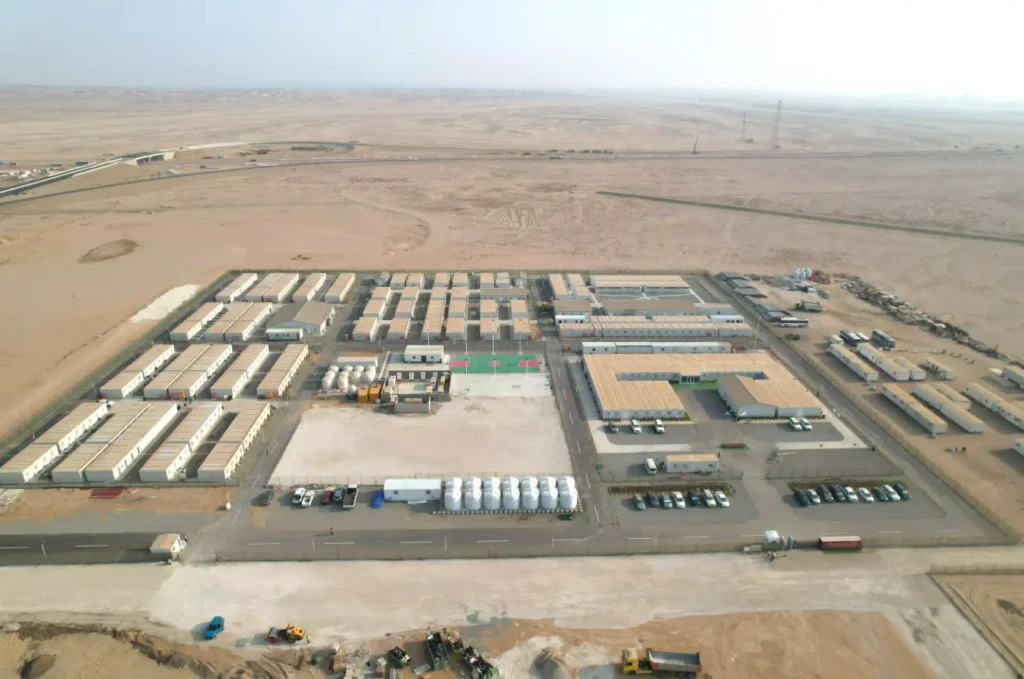
A Prefabricated Camp is suitable when the project needs more than a few rooms. It can support worker accommodation, offices, temporary housing, and related site functions.
For contractors, the value is in planning the camp as a working system. Dormitories should connect logically with bathrooms and dining areas. Offices should be placed where managers can reach the work zone quickly. Public areas should not disturb rest areas.
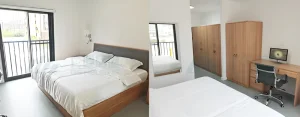
Flat Packed Container Houses for Fast Site Assembly
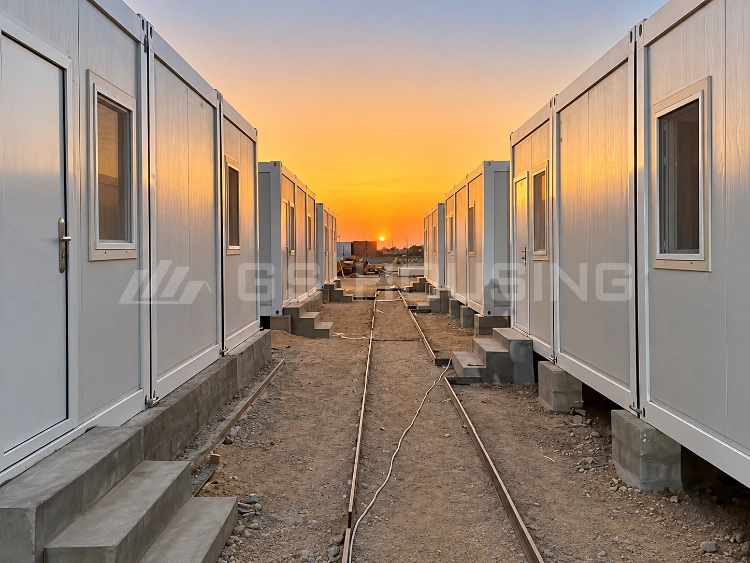
Flat Packed Container Houses are useful when the project needs flexible units that can be transported and assembled with a clear structure. GS Housing’s flat packed units can be used for offices, worker dormitories, bathrooms, shower rooms, dining halls, security booths, recreation rooms, and other site spaces.
These houses fit projects that need prefab houses for remote construction sites because they can be planned around transport, assembly, and later function changes. If road access and unloading conditions are uncertain, buyers should discuss the packing method, lifting plan, and assembly sequence before confirming the order.
Modular Office Units for Camp Management
Site offices affect project control. Managers need space for meetings, drawings, equipment records, safety briefings, and communication with subcontractors.
Small prefab houses for camp offices should be easy to access, but not placed where they block worker movement or delivery routes. If the project will grow, office units should be positioned with future expansion in mind.
How Should Buyers Choose Prefab Houses for Remote Construction Sites?
The strongest procurement decisions begin with site information. Before asking for a layout, buyers should prepare the project location, use period, number of workers, required room functions, local climate, available land, road conditions, and installation limits.
A common mistake is choosing only by unit price or room size. A cheaper unit may cost more later if it needs extra site work, special unloading equipment, repeated repairs, or layout changes after delivery. For remote projects, compare the whole delivery process: packing, transport, foundation preparation, assembly steps, daily use, maintenance access, and possible expansion.
Project Location and Transport Conditions
A project in a city suburb and a project in a mountain area need different logistics planning. For remote sites, confirm road width, container unloading space, crane access, and storage area for materials before finalizing the house type.
A supplier can recommend better packaging and assembly options only when these details are clear. If the site is far from major roads, early transport review may be more important than small differences in unit price.
Required Functions and Camp Layout
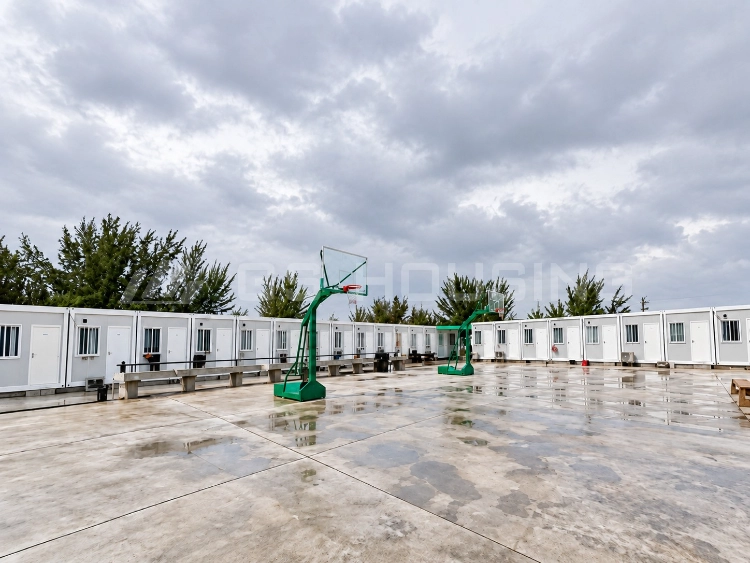
The layout should reflect how people live and work. Dormitories need quiet zones. Dining halls need easy access. Bathrooms and shower rooms should be convenient but properly separated. Offices need stable lighting, communication access, and enough space for daily management.
This is where quick installation houses become more than fast buildings. They become part of the site operation plan, not only temporary rooms.
Installation Support and Technical Documents
Ask what installation documents are provided. Drawings, packing lists, assembly steps, and connection details can reduce confusion on site. For larger camps, technical guidance may be needed to control sequence and quality.
Good documentation also helps procurement teams compare suppliers more fairly. It shows whether the supplier has considered real project delivery, not only manufacturing.
How Does GS Housing Support Fast-Deployment Modular Building Projects?
GS Housing can help buyers match Prefabricated Camp planning or Flat Packed Container Houses with accommodation, office, sanitary, dining, and remote deployment needs. A camp for workers, a temporary office area, and a remote site service zone may use different combinations of modular units.
A simple selection rule can help. Choose Prefabricated Camp when the project needs a planned living and working area with accommodation, offices, dining, sanitary rooms, and public facilities. Choose Flat Packed Container Houses when the project gives higher priority to transport efficiency, fast assembly, flexible room combinations, and future relocation.
Prefabricated Camp Planning for Complete Site Functions
Prefabricated Camp planning works well when the project needs a full site living system rather than a few separate rooms. It is suitable for worker accommodation, offices, sanitary buildings, dining areas, and support facilities.
For buyers, the key is to share the real operating conditions early. Workforce size, shift patterns, site access, use period, and functional priorities all affect the final layout.
Flat Packed Container House Supply for Remote Deployment
Flat Packed Container Houses are useful for projects that need transport efficiency, fast installation, and flexible room combinations. They can serve as temporary offices, dormitories, bathrooms, shower rooms, dining halls, and security spaces.
This product type is especially useful when the site may expand by stage or when units may need to be relocated later.
Contact GS Housing for Fast-Deployment Modular Building Solutions
Before sending an inquiry, prepare the site location, project type, workforce size, building functions, transport route, and installation conditions. These details help GS Housing recommend suitable quick installation houses for your projects.
Contact GS Housing to get a customized modular building solution for your camp, office, or temporary accommodation project!
FAQ
Q: What Are Quick Installation Houses Used for in Project Camps?
A: Quick installation houses are used for worker dormitories, site offices, dining halls, bathrooms, shower rooms, guard rooms, meeting rooms, and temporary accommodation. They help project teams build usable spaces faster when permanent buildings are not ready.
Q: Are Flat Pack Prefab Houses Suitable for Remote Camps?
A: Yes. Flat pack prefab houses for easy transport are suitable for many remote camps because they are designed around transport efficiency and on-site assembly. Buyers still need to check road access, unloading equipment, foundation conditions, and local climate before ordering.
Q: How Should I Choose Between a Prefabricated Camp and Flat Packed Container Houses?
A: Choose a Prefabricated Camp when you need complete camp planning with accommodation, offices, sanitary areas, and public facilities. Choose Flat Packed Container Houses when transport efficiency, flexible layout, and fast site assembly are the main priorities. Many projects can use both as part of one modular plan.