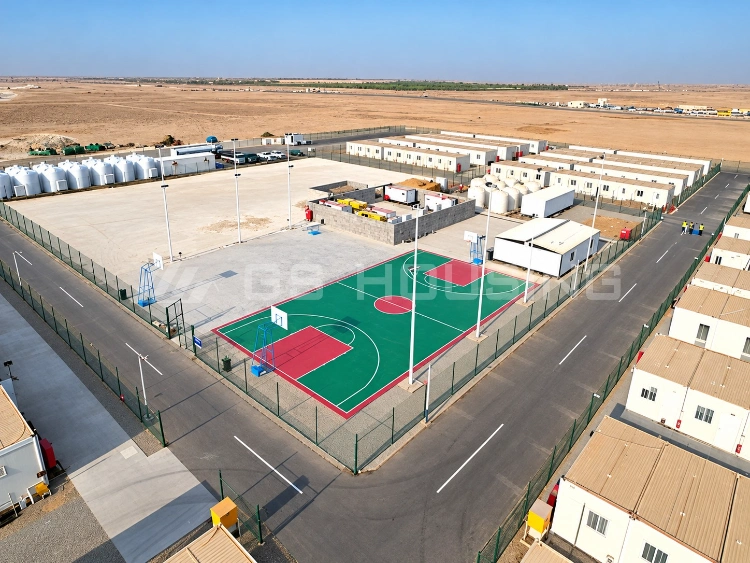
เมื่อโครงการเหมืองใหม่ได้รับการอนุมัติ การหารือในขั้นต้นมักมุ่งเน้นไปที่กำลังการผลิต โรงงานแปรรูป และแผนการก่อสร้าง.
ที่พักในค่ายเหมืองมักไม่ค่อยได้รับความสนใจเท่าที่ควร.
เมื่อคิดดูแล้ว มันก็ “แค่ที่คนนอนเท่านั้น”
สมมติฐานนั้นมักยังคงอยู่จนกระทั่งค่ายนั้นดำเนินการมาได้ไม่กี่ปี.
จากนั้น รายงานการบำรุงรักษาก็เริ่มบอกเล่าเรื่องราวที่ต่างออกไป.
อาคารที่พักหนึ่งแห่งจำเป็นต้องทาสีใหม่เร็วกว่าที่คาดไว้มาก.
ซีลประตูเริ่มปล่อยให้ฝุ่นเข้าไปในห้องอุปกรณ์ไฟฟ้า.
เครื่องปรับอากาศทำงานนานขึ้นทุกฤดูร้อน แม้ว่าจะไม่มีอะไรที่ดูเหมือนจะเสีย.
ในเหมืองที่อยู่บนความสูงสูง ชั้นเคลือบผิวด้านนอกจะซีดจางอย่างรวดเร็วอย่างน่าประหลาดใจ เนื่องจากได้รับรังสีอัลตราไวโอเลตที่รุนแรงมากขึ้น ส่วนตามแนวชายฝั่ง การกัดกร่อนมักปรากฏขึ้นก่อนที่ส่วนประกอบขนาดเล็กที่สัมผัสกับอากาศจะเริ่มถูกทำลาย ก่อนที่ใครจะเริ่มกังวลเกี่ยวกับโครงสร้างหลัก.
ไม่มีปัญหาใดในจำนวนนี้ที่ทำให้เหมืองต้องปิดตัวลงภายในคืนเดียว.
แต่เมื่อรวมกันแล้ว ปัจจัยเหล่านี้จะค่อยๆ ทำให้งบประมาณการบำรุงรักษาเพิ่มขึ้น ขัดขวางการดำเนินงาน และทำให้อายุการใช้งานของค่ายลดลง.
นั่นคือเหตุผลที่ผู้รับจ้าง EPC ที่มีประสบการณ์มักไม่ค่อยตัดสิน ที่พักในค่ายเหมือง ขึ้นอยู่กับสภาพของมันในวันส่งมอบ.
พวกเขาสนใจมากกว่าว่าผลิตภัณฑ์นั้นจะทำงานได้อย่างไรหลังจากผ่านไป 5 ปี ที่ต้องเผชิญกับความร้อน ฝุ่นละออง คืนที่หนาวจัด อากาศที่มีเกลือ หรือการอยู่ในพื้นที่สูง.
เนื่องจากสภาพแวดล้อมที่รุนแรงแทบจะไม่เคยทำลายอาคารลงได้ในเหตุการณ์เดียวที่รุนแรง.
พวกเขาทดสอบวัสดุทุกชนิดมากขึ้นเล็กน้อยทุกวัน.
โครงการที่พักในค่ายเหมืองสองแห่งอาจเริ่มต้นขึ้นในเวลาเดียวกัน — แต่ต่อมาจะพัฒนาไปในทิศทางที่ต่างกันอย่างสิ้นเชิง
หากคุณยืนอยู่หน้าค่ายขุดแร่สองแห่งที่เพิ่งสร้างเสร็จ คุณอาจยากที่จะแยกแยะความแตกต่างระหว่างทั้งสองแห่ง.
อาคารที่พักดูคล้ายกัน.
ห้องอาหารมีรูปแบบการจัดวางที่คล้ายกันเกือบทั้งหมด.
ห้องนอนแต่ละห้องมีจำนวนเตียงเท่ากัน.
ทุกอย่างดูเหมือนกันหมด.
กลับมาอีกครั้งหลังจากหกปี.
ค่ายหนึ่งนั้นแทบไม่จำเป็นต้องทำอะไรมากไปกว่าการตรวจสอบตามกำหนด.
อีกบริษัทหนึ่งได้เปลี่ยนแผ่นกันน้ำบนหลังคา ซ่อมแซมรอยต่อผนัง ทาสีใหม่บนแผงผนังด้านนอก และปรับปรุงระบบฉนวนกันความร้อนในอาคารหลายแห่งแล้ว.
ความแตกต่างนั้นมักไม่เกิดขึ้นตั้งแต่ขั้นตอนการติดตั้ง.
เรื่องนี้เริ่มต้นขึ้นหลายเดือนก่อนนั้น เมื่อมีผู้ใดนั้นอนุมัติข้อกำหนดเกี่ยวกับวัสดุ.
สภาพแวดล้อมที่สุดขั้วมักไม่ก่อให้เกิดความล้มเหลวทางโครงสร้างอย่างรุนแรง.
แทนที่จะเป็นเช่นนั้น พวกมันกลับก่อให้เกิดแรงเครียดเล็กๆ นับพันจุด.
เหล็กจะขยายตัวเมื่อได้รับความร้อนอย่างรุนแรงในช่วงกลางวัน.
คืนที่อากาศเย็นจะทำให้ความชื้นควบแน่นในระบบผนังที่มีฉนวนกันความร้อนไม่เพียงพอ.
ลมพัดพาฝุ่นที่มีคุณสมบัติขัดถู ซึ่งค่อยๆ ทำให้ซีลและชิ้นส่วนที่เคลื่อนไหวสึกหรอ.
ความชื้นทำให้การกัดกร่อนเกิดขึ้นเร็วขึ้น.
เกลือจากชายฝั่งทำให้พื้นผิวโลหะที่สัมผัสกับอากาศถูกกัดกร่อน.
เหมืองที่ตั้งอยู่ในพื้นที่สูงก่อให้เกิดความท้าทายอีกประการหนึ่ง รังสีอัลตราไวโอเลตที่รุนแรงขึ้น ความดันอากาศที่ต่ำลง และความแตกต่างของอุณหภูมิระหว่างกลางวันและกลางคืนที่มากกว่า 20°C ทำให้ชั้นเคลือบ ระบบฉนวน และอุปกรณ์ HVAC ต้องเผชิญกับความต้องการที่เพิ่มขึ้น.
เมื่อพิจารณาเป็นกรณีแต่ละกรณีแล้ว ไม่มีอาการใดที่ดูจะรุนแรงเป็นพิเศษ.
ทั้งสองปัจจัยนี้ร่วมกันกำหนดว่าทีมบำรุงรักษาจะใช้เวลาไปกับการตรวจสอบตามปกติ หรือการซ่อมแซมอย่างต่อเนื่อง.
ความเปลี่ยนแปลงดังกล่าวกำลังส่งผลให้เจ้าของหลายรายปรับเปลี่ยนวิธีการประเมินวัสดุก่อสร้างค่ายเหมือง.
แทนที่จะถามว่า “ผู้จัดหารายใดมีราคาถูกกว่า?”
พวกเขากำลังถามกันมากขึ้นเรื่อยๆ ว่า,
“ค่ายไหนจะยังคงแสดงผลงานได้ดีแม้ผ่านเวลาหลายปี?”
สิ่งนั้นมักนำไปสู่การตัดสินใจที่แตกต่างไปอย่างมาก.
การออกแบบค่ายขุดเหมืองที่มีระบบฉนวนกันความร้อนเริ่มขึ้นก่อนที่เครื่องปรับอากาศจะเปิดทำงาน
คนมักอธิบายโครงการขุดแร่ในทะเลทรายว่าเป็นการต่อสู้กับความร้อน.
คนงานรู้สึกถึงสิ่งนี้อย่างแน่นอน.
อาคารต่าง ๆ มีประสบการณ์กับมันอย่างแตกต่างกัน.
อาคารที่พักที่มีระบบฉนวนกันความร้อนไม่ดียังคงดูดซับพลังงานแสงอาทิตย์อย่างต่อเนื่องตลอดช่วงบ่าย.
แม้หลังพระอาทิตย์ตกดินไปนานแล้ว แผ่นหลังคาและผนังก็ยังคงปล่อยความร้อนที่เก็บไว้กลับเข้าสู่ห้องต่างๆ.
เครื่องปรับอากาศไม่ได้เพียงแค่ทำให้อากาศภายในห้องเย็นลงอีกต่อไปแล้ว.
มันกำลังพยายามเอาชนะความร้อนที่สะสมอยู่ภายในอาคารเอง.
นั่นหมายความว่าเวลาทำงานจะยาวนานขึ้น.
การบริโภคไฟฟ้าเพิ่มขึ้น.
เครื่องอัดอากาศและพัดลมถูกสึกหรอมากขึ้น.
ในที่สุด ก็เปลี่ยนก่อนกำหนด.
An ค่ายขุดแร่ที่มีระบบฉนวนกันความร้อน ทำงานต่างออกไป.
แทนที่จะพึ่งพาการระบายความร้อนด้วยระบบกลไกอย่างเต็มที่ ระบบนี้จะช่วยลดความเร็วของการถ่ายเทความร้อนก่อนที่ความร้อนจะถึงพื้นที่อยู่อาศัย.
การฉนวนกันความร้อนบนหลังคา.
ระบบผนัง.
หน้าต่างกระจกสองชั้น.
ระบบระบายอากาศ.
ส่วนตกแต่งภายนอก.
แต่ละชั้นมีส่วนช่วยบรรลุเป้าหมายเดียวกัน — คือการรักษาอุณหภูมิภายในอาคารให้คงที่ แทนที่จะให้ระบบ HVAC ต้องรับผิดชอบทุกอย่างเพียงลำพัง.
โครงการทำเหมืองในเขตพื้นที่สูงเพิ่มความซับซ้อนอีกระดับหนึ่ง.
แม้อุณหภูมิในช่วงกลางวันอาจยังคงอยู่ในระดับที่สบาย แต่รังสีอัลตราไวโอเลตมีความแรงมากกว่าที่ระดับทะเลอย่างมาก และอากาศในช่วงเช้าอาจรู้สึกแตกต่างไปอย่างสิ้นเชิงจากช่วงบ่าย วัสดุที่ใช้งานได้ดีในสภาพอากาศของพื้นที่ราบมักจะเสื่อมสภาพเร็วขึ้นมาก หากไม่ได้ถูกเลือกมาเพื่อใช้ในสภาพอากาศของพื้นที่ภูเขา.
การออกแบบระบบระบายความร้อนที่มีประสิทธิภาพสูงสุดนั้น ไม่จำเป็นต้องเป็นระบบที่มีเครื่องปรับอากาศขนาดใหญ่ที่สุดเสมอไป.
นี่คือระบบที่ช่วยลดการดูดซับความร้อนที่ไม่จำเป็น ก่อนที่อุปกรณ์ทำความเย็นจะเริ่มทำงาน.
ที่พักสำหรับนักขุดเหมืองในพื้นที่ห่างไกลในเขตอากาศหนาวมีปัญหาความชื้น — ไม่ใช่เพียงปัญหาอุณหภูมิเท่านั้น
ลองถามคนที่ยังไม่เคยทำงานในโครงการขุดแร่ในเขตอากาศหนาวดูว่า สิ่งใดที่ทำให้อาคารที่พักได้รับความเสียหาย.
คุณคงจะได้ยินคำตอบเดียวกันแน่ๆ.
หิมะ.
ลองถามผู้จัดการอาคารดูสิ.
คำตอบมักจะไม่เหมือนกัน.
การควบแน่น.
อากาศภายในอาคารที่อบอุ่นจะดูดซับความชื้นตามธรรมชาติ.
เมื่อความชื้นนั้นสัมผัสกับพื้นผิวผนังที่เย็นหรือจุดต่อที่ฉนวนกันความร้อนไม่ดี น้ำจะเริ่มก่อตัวขึ้นภายในโครงสร้างอาคาร.
กระบวนการนี้ช้ามาก.
มักไม่เห็นได้.
เมื่อเวลาผ่านไป ความประสิทธิภาพของวัสดุฉนวนจะลดลง.
วัสดุตกแต่งภายในเริ่มเสื่อมสภาพ.
หากระบบระบายอากาศไม่ได้รับการปรับสมดุลอย่างถูกต้อง ก็อาจเกิดเชื้อราที่ซ่อนอยู่ได้.
การเพิ่มชั้นฉนวนกันความร้อนที่หนากว่าเพียงอย่างเดียว มักไม่สามารถแก้ปัญหาได้.
ประสิทธิภาพทางความร้อนที่ดีขึ้นอยู่กับความสอดคล้องในการทำงานร่วมกันของระบบผนังทั้งหมด.
การฉนวนกันความร้อนแบบต่อเนื่องช่วยลดการถ่ายเทความร้อนผ่านจุดเชื่อมต่อ.
ข้อต่อที่ปิดผนึกอย่างถูกต้องจะช่วยลดการรั่วของอากาศที่ไม่ต้องการ.
ระบบระบายอากาศช่วยกำจัดความชื้นส่วนเกินภายในห้องโดยไม่ก่อให้เกิดลมพัดที่ทำให้รู้สึกไม่สบาย.
นักวิศวกรรมกำลังหันมาใช้วิธีนี้มากขึ้นเรื่อยๆ ที่พักสำหรับนักขุดเหมืองระยะไกล ในฐานะระบบสิ่งแวดล้อมแบบบูรณาการ แทนที่จะพิจารณาการทำความร้อน การฉนวนกันความร้อน และการระบายอากาศเป็นการตัดสินใจด้านการออกแบบที่แยกจากกัน.
หากโครงการของคุณดำเนินการในสภาพอากาศที่อุณหภูมิต่ำกว่าศูนย์องศาเป็นเวลานาน คู่มือของเราเกี่ยวกับ อาคารแบบโมดูลาร์สำหรับสภาพอากาศหนาว วิเคราะห์กลยุทธ์การออกแบบระบบความร้อนอย่างละเอียดยิ่งขึ้น.
ที่พักในค่ายขุดแร่ในสภาพแวดล้อมที่มีฝุ่นมาก: การซ่อมแซมมักเริ่มจากเรื่องเล็กๆ
ฝุ่นไม่มาเหมือนพายุ.
มันค่อยๆ สะสมขึ้นอย่างเงียบๆ.
รางหน้าต่างหนึ่งเริ่มเลื่อนได้ยากขึ้น.
ตู้ไฟฟ้าจำเป็นต้องทำความสะอาดบ่อยขึ้น.
ตัวกรองอากาศถูกอุดตันเร็วกว่าที่คาดไว้.
คนส่วนใหญ่ไม่สังเกตเห็นความเปลี่ยนแปลงจนกระทั่งช่วงเวลาการบำรุงรักษาเริ่มสั้นลง.
สำหรับเหมืองเปิดและกิจกรรมในเขตทะเลทราย ฝุ่นในอากาศถือเป็นหนึ่งในค่าใช้จ่ายในการดำเนินงานที่คงอยู่ตลอดอายุการใช้งานของค่าย.
วิธีแก้ปัญหานี้ไม่ใช่การพยายามกำจัดฝุ่นให้หมดไปอย่างสิ้นเชิง.
นั่นไม่สมจริงเลย.
เป้าหมายคือลดปริมาณที่เข้าสู่ตัวอาคารตั้งแต่ต้น.
ซีลที่ออกแบบมาอย่างดีรอบประตูและหน้าต่างช่วยลดการรั่วซึม.
ระบบการระบายอากาศด้วยเครื่องช่วยหายใจช่วยนำอากาศที่สะอาดกว่าเข้ามา พร้อมทั้งลดปริมาณอนุภาคในอากาศที่เข้าสู่พื้นที่ที่มีคนอยู่.
ตู้ไฟฟ้าที่มีระดับการป้องกันที่เหมาะสมจะช่วยป้องกันไม่ให้ฝุ่นละเอียดเข้าสู่อุปกรณ์ที่ไวต่อความเสียหาย.
ตัวกรองระบบ HVAC ที่ออกแบบมาเพื่อเปลี่ยนได้ง่าย ช่วยลดเวลาการบำรุงรักษาโดยไม่ส่งผลกระทบต่อการดำเนินงานประจำวัน.
หลังจากทำงานกะ 12 ชั่วโมงแล้ว พนักงานมักไม่ค่อยคิดถึงเรื่องการออกแบบระบบระบายอากาศ.
พวกเขาเพียงแต่สังเกตว่าห้องนั้นดูสะอาดพอที่จะทำความสะอาดให้เรียบร้อยก่อนเข้าทำงานในวันพรุ่งนี้หรือไม่.
วัสดุก่อสร้างสำหรับค่ายเหมืองที่ทนต่อลม ความเค็ม และการกัดกร่อนจากชายฝั่ง
เมื่อผู้คนได้ยินว่าค่ายขุดแร่ถูกออกแบบมาเพื่อทนต่อลมแรง ส่วนใหญ่จะคิดถึงเหล็กที่แข็งแรงขึ้นทันที.
วิศวกรมักเริ่มต้นจากที่อื่นก่อน.
แผ่นปิดขอบหลังคา.
สารปิดผนึก.
อุปกรณ์ยึด.
บานพับประตู.
อุปกรณ์สำหรับหน้าต่าง.
สถานที่เหล่านี้มักเป็นแห่งแรกๆ ที่สภาพอากาศรุนแรงทิ้งร่องรอยไว้.
แผ่นกันน้ำที่หลวมอาจดูไม่สำคัญ.
จนกระทั่งฝนที่ตกหนักเริ่มซึมเข้ามาภายใน.
การรั่วของซีลรอบหน้าต่างหนึ่งบานดูเหมือนไม่ใช่ปัญหาใหญ่.
จนกระทั่งทุกเช้าจะมีฝุ่นเริ่มปรากฏบนตู้ไฟฟ้า.
โครงการการขุดแร่ในพื้นที่ชายฝั่งทำให้สถานการณ์ยิ่งซับซ้อนขึ้นอีกระดับ.
เกลือไม่ทำลายอาคารในครั้งเดียว.
มันจะลงตัวอย่างเงียบๆ บนพื้นผิวที่เปิดโล่ง แล้วทำซ้ำกระบวนการนี้ทุกวัน.
ความชื้นทำให้ทุกสิ่งดำเนินไปเร็วขึ้น.
การกัดกร่อนมักเริ่มต้นจากส่วนประกอบที่เล็กที่สุดซึ่งถูกเปิดเผยก่อน แล้วค่อยๆ ส่งผลกระทบต่อระบบที่ใหญ่ขึ้น.
นั่นคือเหตุผลที่วิศวกรที่มีประสบการณ์ไม่ตัดสิน วัสดุก่อสร้างสำหรับค่ายทำเหมือง ทีละชิ้น.
พวกเขาประเมินระบบหุ้มอาคารทั้งหมด.
เหล็กโครงสร้างชุบสังกะสีช่วยชะลอการกัดกร่อน.
ชั้นเคลือบผงที่ทนทานช่วยป้องกันรังสีอัลตราไวโอเลตและเกลือจากชายฝั่ง.
รายละเอียดของหลังคา การออกแบบระบบระบายน้ำ และระบบกันน้ำทำงานร่วมกันเพื่อให้น้ำอยู่ตรงที่ควรอยู่—ด้านนอกอาคาร.
ไม่มีส่วนประกอบใดส่วนประกอบหนึ่งที่เพียงอย่างเดียวจะทำให้ค่ายมีความทนทาน.
การผสมผสานนี้ทำได้.
หากความต้านทานลมเป็นปัจจัยสำคัญที่ควรพิจารณาในโครงการของคุณ คู่มือของเราเกี่ยวกับ บ้านสำเร็จรูปที่ทนต่อลม อธิบายว่ากลยุทธ์ด้านโครงสร้างมีความแตกต่างกันอย่างไรระหว่างพื้นที่ที่ได้รับผลกระทบจากพายุไซโคลน เหมืองริมชายฝั่ง และพื้นที่อุตสาหกรรมที่มีลมแรง.
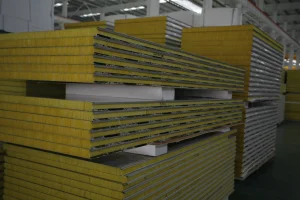
ที่พักในค่ายขุดเหมืองที่ถูกที่สุด มักจะไม่ถูกไปตลอด
ทุกการประชุมด้านการจัดซื้อจัดจ้าง ในที่สุดก็จะกลับมาใช้สเปรดชีตเดียวกัน.
ราคาซื้อ.
ค่าขนส่ง.
การติดตั้ง.
ตัวเลขเหล่านั้นเปรียบเทียบกันได้ง่าย.
สิ่งที่มักไม่ปรากฏให้เห็นคืองบประมาณการบำรุงรักษาในอีกห้าปีข้างหน้า.
ลองจินตนาการถึงสองค่ายที่สร้างขึ้นเพื่อโครงการเดียวกัน.
สามารถประหยัดเงินได้โดยใช้ชั้นเคลือบบางกว่า วัสดุฉนวนมาตรฐาน และชิ้นส่วนคุณภาพต่ำลง.
ตัวเลือกอีกตัวมีราคาสูงกว่าเล็กน้อยในขั้นต้น แต่ใช้ระบบฉนวนกันความร้อนที่ดีกว่า เหล็กโครงสร้างชุบสังกะสี และวัสดุตกแต่งภายนอกที่ทนทานกว่า.
ในวันที่ส่งมอบกันนั้น แทบไม่มีใครสามารถแยกความแตกต่างได้.
ความแตกต่างนั้นปรากฏขึ้นเมื่อผ่านไปนานมากแล้ว.
ค่ายหนึ่งจำเป็นต้องทาสีใหม่เร็วๆ นี้.
ซีลประตูจะสึกหรอเร็วขึ้น.
ระบบทำความเย็นต้องทำงานหนักขึ้นทุกฤดูร้อน.
ทีมงานบำรุงรักษาต้องใช้เวลามากขึ้นในการแก้ไขปัญหาที่ไม่ได้ระบุไว้ในใบเสนอราคาเดิม.
ค่ายขุดแร่ส่วนใหญ่ไม่ได้ถูกสร้างใหม่เพราะโครงสร้างพังทลาย.
พวกเขาได้รับการอัปเกรด เพราะการรักษาให้พวกเขารู้สึกสบายนั้นกำลังมีค่าใช้จ่ายสูงขึ้นเรื่อยๆ.
นั่นคือเหตุผลที่เจ้าของรถจำนวนมากในปัจจุบันเริ่มประเมิน วัสดุก่อสร้างสำหรับค่ายทำเหมือง ตลอดอายุการใช้งานที่คาดการณ์ของเหมือง แทนที่จะเน้นเฉพาะค่าใช้จ่ายในการจัดซื้อ.
สำหรับโครงการที่คาดว่าจะดำเนินการเป็นระยะเวลา 10 ปีหรือมากกว่านั้น ต้นทุนตลอดวงจรชีวิตมักให้ข้อมูลที่มีประโยชน์มากกว่าการเสนอราคาที่ต่ำที่สุด.
หากคุณกำลังเปรียบเทียบระบบฉนวนกันความร้อน ข้อกำหนดทางโครงสร้าง หรือโครงสร้างผนัง คู่มือของเราเกี่ยวกับ มาตรฐานวัสดุสำหรับค่ายแบบสำเร็จรูป วิเคราะห์ว่า การเลือกวัสดุต่าง ๆ มีผลต่อค่าใช้จ่ายในการดำเนินงานในระยะยาวอย่างไร.
ทำไมคุณภาพระดับโรงงานจึงสำคัญต่อที่พักสำหรับนักขุดเหมืองระยะไกล
เมื่อผู้คนมาเยี่ยมชมค่ายเหมืองเป็นครั้งแรก พวกเขามักจะตัดสินจากสิ่งที่เห็น.
ผนังตรง.
การตกแต่งที่เรียบร้อย.
ประตูที่ปิดได้อย่างถูกต้อง.
ห้องพักที่สะดวกสบาย.
รายละเอียดเหล่านั้นสำคัญ แต่ไม่ใช่จุดเริ่มต้นของคุณภาพในระยะยาว.
เมื่อรถบรรทุกคันแรกออกจากโรงงานแล้ว การตัดสินใจสำคัญส่วนใหญ่ก็ได้รับการกำหนดไว้แล้ว.
ความแม่นยำทางมิติ.
การเชื่อมที่สม่ำเสมอ.
ชั้นเคลือบป้องกันที่ทาด้วยความหนาที่เหมาะสม.
การติดตั้งวัสดุฉนวนอย่างถูกต้อง.
ระบบไฟฟ้าได้รับการตรวจสอบก่อนการส่งสินค้า.
ทุกขั้นตอนดังกล่าวล้วนส่งผลต่อประสิทธิภาพการทำงานของค่ายในหลายปีต่อมา โดยเฉพาะอย่างยิ่งในพื้นที่ห่างไกล ซึ่งค่าใช้จ่ายในการซ่อมแซมสูง และวัสดุทดแทนอาจต้องใช้เวลาหลายสัปดาห์จึงจะส่งถึงที่.
นั่นคือเหตุผลที่ผู้รับจ้าง EPC ที่มีประสบการณ์มักให้ความสำคัญกับกระบวนการผลิตของผู้ผลิตไม่แพ้กับข้อกำหนดของผลิตภัณฑ์เอง.
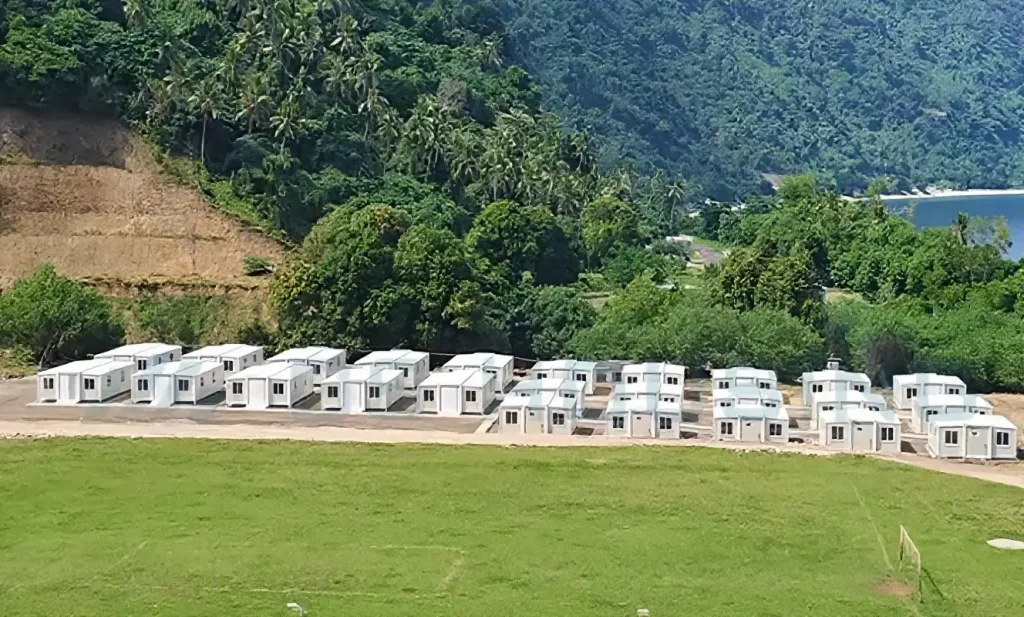
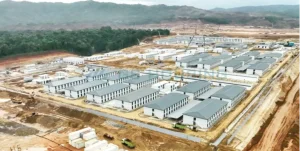
ตัวอย่างหนึ่งคือ โครงการค่ายขุดแร่โคบอลต์ Huayou ของ GS Housing ในอินโดนีเซีย(). หน่วยที่พักอาศัยหลายร้อยหน่วยได้ถูกผลิตขึ้นในโรงงานภายใต้สภาพแวดล้อมที่ควบคุมอย่างเคร่งครัด ก่อนที่จะถูกส่งมอบเป็นระยะ ๆ เพื่อให้สอดคล้องกับการจัดกำลังแรงงานของโครงการ แทนที่จะพยายามดำเนินการก่อสร้างในปริมาณมากที่หน้างาน ทีมติดตั้งจึงมุ่งเน้นหลักไปที่การประกอบและทดสอบระบบ ซึ่งช่วยรักษาคุณภาพที่สม่ำเสมอทั่วทั้งค่ายพักอาศัย พร้อมทั้งลดการรบกวนระหว่างการติดตั้ง.
แม้ว่าอินโดนีเซียจะมีสภาพอากาศที่แตกต่างอย่างมากจากเหมืองในพื้นที่สูงหรือในทะเลทราย แต่หลักการทางวิศวกรรมนั้นยังคงเหมือนกันทุกประการ.
ยิ่งมีงานที่เสร็จสิ้น—และผ่านการตรวจสอบ—ในโรงงานมากเท่าไร ปัจจัยที่ไม่แน่นอนก็ยิ่งน้อยลงเมื่ออาคารถูกขนส่งไปยังไซต์งาน.
หากคุณสนใจว่าสิ่งที่เกิดขึ้นก่อนที่อาคารแบบโมดูลาร์จะออกจากสายการผลิต คู่มือของเราเกี่ยวกับ วิธีผลิตบ้านแบบคอนเทนเนอร์สำหรับสภาพแวดล้อมที่รุนแรง อธิบายกระบวนการผลิตอย่างละเอียดยิ่งขึ้น.
ที่พักในค่ายขุดแร่ที่ดีที่สุด คือที่พักที่คนงานไม่เคยคิดถึง
ลองถามคนงานว่าพวกเขายังจำอะไรได้บ้าง หลังจากที่อาศัยอยู่ในค่ายมาหกเดือน.
มีเพียงไม่กี่คนเท่านั้นที่จะกล่าวถึงความหนาของชั้นฉนวน.
แทบไม่มีใครจำข้อกำหนดเกี่ยวกับเหล็กได้.
แทนนั้น พวกเขาจะบอกคุณว่าพวกเขานอนดีหรือไม่.
ห้องนั้นยังคงสบายอยู่หรือไม่หลังจากทำงานกะยาว.
ไม่ว่าฝุ่นจะยังคงหาทางเข้ามาภายในได้หรือไม่.
เครื่องปรับอากาศทำงานได้อย่างปกติ โดยไม่มีใครต้องคิดถึงมันเลย.
นั่นคงเป็นคำชมที่ดีที่สุดที่ค่ายเหมืองจะได้รับ.
งานวิศวกรรมที่ดีมักไม่ค่อยดึงดูดความสนใจ.
มันช่วยแก้ไขปัญหาอย่างเงียบๆ ก่อนที่ปัญหาเหล่านั้นจะกลายเป็นส่วนหนึ่งของชีวิตประจำวัน.
ที่ GS Housing นี่คือปรัชญาที่อยู่เบื้องหลังทุกโครงการที่พักสำหรับพนักงานเหมือง.
โครงสร้างเหล็กชุบสังกะสี.
วัสดุฉนวนกันความร้อนประเภท A ที่ไม่ติดไฟ.
ระบบสาธารณูปโภคที่ติดตั้งจากโรงงาน.
ชั้นเคลือบป้องกันที่ทนทาน.
พวกเขาไม่ได้ถูกเลือกเพราะดูน่าประทับใจในใบข้อมูลทางเทคนิค.
โครงการเหล่านี้ได้รับการคัดเลือกเพราะโครงการขุดแร่ในเขตห่างไกลมีพื้นที่น้อยมากสำหรับการบำรุงรักษาที่สามารถหลีกเลี่ยงได้.
สภาพแวดล้อมที่รุนแรงจะค้นพบวัสดุที่อ่อนแอที่สุดเสมอ
สภาพแวดล้อมที่สุดขั้วมักไม่ค่อยทำลายค่ายขุดแร่ได้ภายในฤดูกาลเดียว.
พวกเขาเปิดเผยจุดอ่อนเล็กๆ ทีละจุด.
ฤดูร้อนอีกครั้ง.
ฤดูหนาวอีกครั้ง.
พายุฝุ่นอีกครั้ง.
อีกหนึ่งปีที่คนงานยังคงเปิดประตูเดิมๆ.
ในที่สุด ทุกโครงการก็จะถึงจุดเดียวกัน.
เอกสารเหล่านี้เริ่มเล่าเรื่องราวเกี่ยวกับข้อตัดสินใจที่ได้ทำขึ้นเมื่อหลายปีก่อน.
นั่นคือเหตุผลที่เจ้าของที่มีประสบการณ์จะถามคำถามต่าง ๆ ก่อนที่จะเริ่มกระบวนการจัดซื้อ.
สิ่งนี้ต้องได้รับการบำรุงรักษาบ่อยแค่ไหน?
วัสดุเหล่านี้จะทำงานอย่างไรหลังจากถูกสัมผัสกับสภาพแวดล้อมเป็นเวลาหลายปี?
เงินที่ประหยัดได้วันนี้จะกลายเป็นงบประมาณการดำเนินงานของวันพรุ่งนี้หรือไม่?
สภาพแวดล้อมที่รุนแรงมักไม่ทำให้อาคารที่อ่อนแอที่สุดถูกเปิดเผย.
มันจะเผยให้เห็นวัสดุที่อ่อนแอที่สุด.
การเลือกวัสดุที่เหมาะสมไม่ได้หมายความว่าจะไม่ต้องดูแลรักษา.
นั่นหมายความว่า การบำรุงรักษาจะกลายเป็นงานประจำ แทนที่จะเป็นสิ่งที่ก่อให้เกิดความรบกวน.
ทุกพื้นที่ทำเหมืองล้วนมีสภาพเฉพาะตัวที่ผสมผสานระหว่างความร้อน ความเย็น ฝุ่น ความชื้น ความสูงจากระดับน้ำทะเล และลม การวิเคราะห์สภาพเหล่านี้ก่อนเริ่มการผลิตมักนำไปสู่การตัดสินใจด้านวิศวกรรมที่ดีขึ้น — และทำให้ค่ายพักยังคงทำงานได้อย่างมีประสิทธิภาพต่อไปได้นานหลังจากที่แผนการก่อสร้างถูกลืมไปแล้ว.
คำถามที่มักถูกถาม
วัสดุฉนวนกันความร้อนชนิดใดเหมาะสมที่สุดสำหรับที่พักในค่ายเหมือง?
สิ่งนี้ขึ้นอยู่กับสถานที่ที่ค่ายจะดำเนินการ โครงการในเหมืองในทะเลทรายและโครงการในพื้นที่สูงมักไม่จำเป็นต้องใช้ระบบผนังที่เหมือนกันอย่างสมบูรณ์ สำหรับโครงการหลายแห่ง ใยหินประเภท Class A ที่ไม่ติดไฟช่วยสร้างสมดุลที่เหมาะสมระหว่างความปลอดภัยจากไฟ ประสิทธิภาพทางความร้อน และความทนทานในระยะยาว.
ทำอย่างไรเพื่อป้องกันไม่ให้ฝุ่นเข้าไปในที่พักของพนักงานเหมืองที่อยู่ห่างไกล?
คุณไม่สามารถป้องกันได้ทั้งหมด—ไม่มีเหมืองใดที่ยังดำเนินการอยู่สามารถทำได้เช่นนั้น เป้าหมายคือการลดการเข้าสู่ของฝุ่นผ่านระบบปิดผนึกที่ดีขึ้น การระบายอากาศที่ควบคุมได้ และระบบกรองที่ดูแลรักษาได้ง่าย การปรับปรุงเล็กๆ น้อยๆ ที่ส่วนเปลือกอาคารมักสร้างความแตกต่างที่ใหญ่ที่สุดเมื่อเวลาผ่านไป.
เหล็กชุบสังกะสีคุ้มค่ากับค่าใช้จ่ายเพิ่มเติมหรือไม่?
สำหรับโครงการเหมืองส่วนใหญ่แล้ว คำตอบคือใช่ โดยเฉพาะอย่างยิ่งในสภาพแวดล้อมชายฝั่ง ชื้น หรือมีสารเคมีที่กัดกร่อน ความทนทานต่อการกัดกร่อนที่เพิ่มขึ้นนี้มักช่วยลดการบำรุงรักษาตลอดอายุการใช้งานของค่าย และช่วยยืดอายุการใช้งานของโครงสร้าง.
ทำไมค่ายขุดแร่แห่งหนึ่งจึงดูเหมือนจะเสื่อมสภาพเร็วกว่าค่ายอื่น?
โดยทั่วไปแล้ว ไม่ใช่เพราะความล้มเหลวครั้งใหญ่เพียงครั้งเดียว หรือเพราะโครงสร้างหลักเกิดข้อบกพร่อง แต่ส่วนใหญ่เป็นผลจากการสะสมของปัญหาเล็กๆ น้อยๆ — เช่น ชั้นเคลือบที่เสื่อมสภาพ ซีลที่สึกหรอ การใช้พลังงานที่เพิ่มขึ้น และการซ่อมแซมซ้ำๆ ค่าใช้จ่ายเหล่านี้มักไม่ปรากฏในใบเสนอราคาเดิม แต่จะเริ่มเห็นได้ชัดเจนเมื่อค่ายเริ่มดำเนินการประจำวัน.
หากคุณกำลังพยายามหาว่าวัสดุใดเหมาะสมกับสภาพพื้นที่ของคุณ เราสามารถ นำคุณไปศึกษาข้อมูลโครงการจริงจากสภาพแวดล้อมที่คล้ายกัน, ไม่มีคำโฆษณาขายสินค้า.