Project Overview
Project name: Buenos Aires container worker’s dormitory
Location: Buenos Aires, Argentina
House style: Container House Flat Pack Building
Capacity: 18 to 36 people
Application: Industrial camps, construction worker accommodation, modular infrastructure projects
Supplier: GS Housing
The Buenos Aires worker accommodation project is developed to respond to real construction site demand where workforce movement, project scheduling, and temporary housing requirements must align closely.
Instead of relying on traditional building methods, this project applies a container house based solution delivered by GS Housing, allowing accommodation space to be deployed in line with actual site progress.
The focus of the project is not architectural complexity, but practical deployment of worker accommodation units that can be installed and adjusted according to project phases.
Real site demand drives the accommodation strategy
In Buenos Aires, construction projects often operate in phased cycles, which means workforce numbers and site locations can change during execution.
Because of this, worker accommodation cannot remain fixed or permanent. It needs to respond dynamically to construction timing and workforce distribution.
The solution used here is a labor camp system formed by modular units that can be deployed quickly and reorganized when required.
This approach reduces dependency on long construction cycles and allows the site to maintain operational flexibility.
Modular housing is applied through container house units
Modular housing is applied through container house units
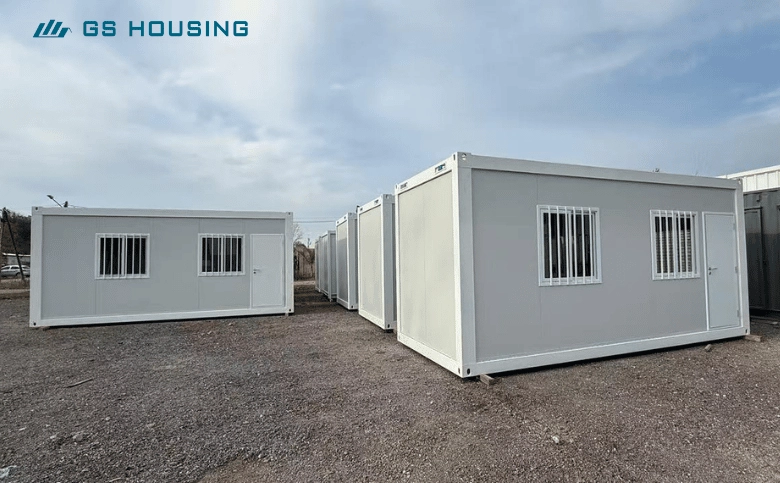
The project is based on a modular housing approach using prefabricated container house units.
Each unit is manufactured in a controlled factory environment before being transported to Buenos Aires for on-site assembly.
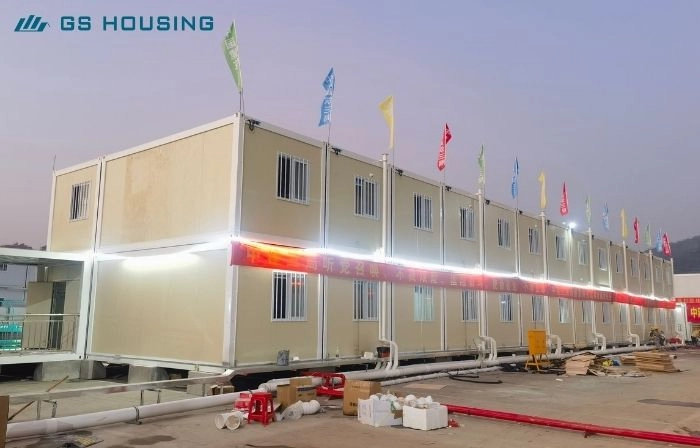
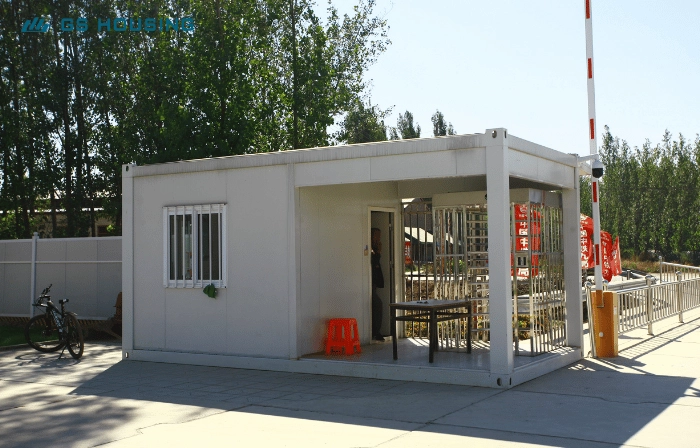
The units are then connected into a structured labor camp, forming a complete living environment for construction workers.
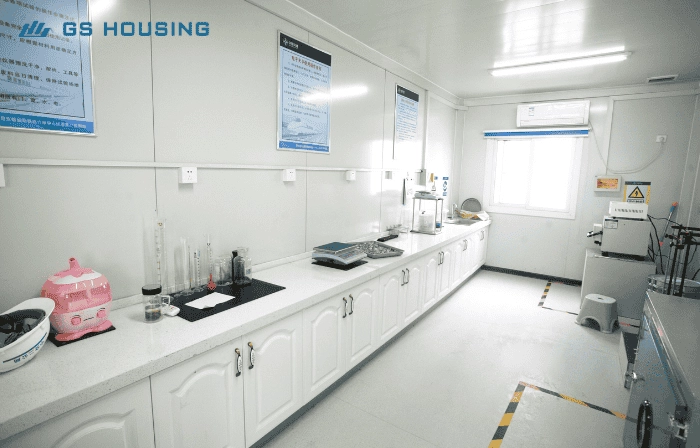
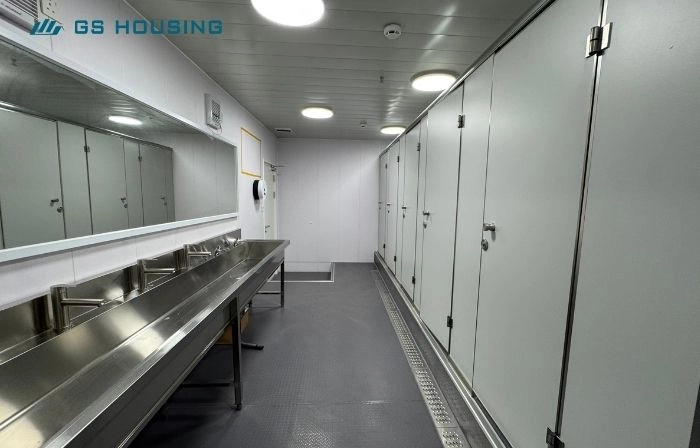
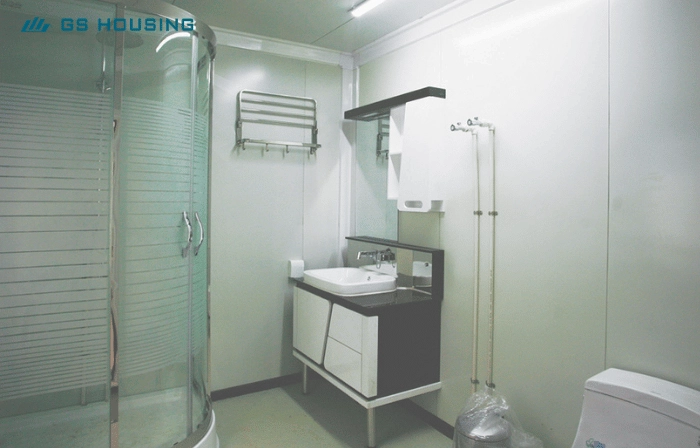
This includes dormitory spaces, shared facilities, and operational support areas arranged within a unified layout.
Camp structure and spatial organization
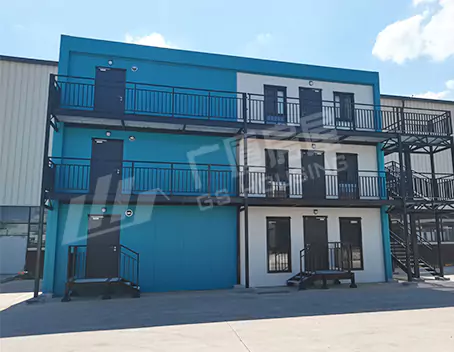
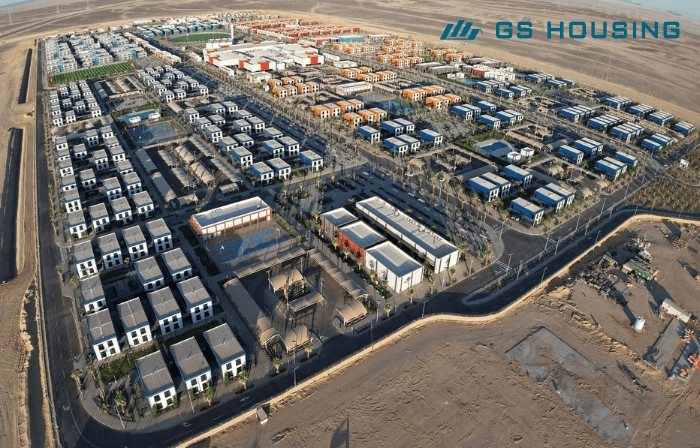
The worker accommodation camp is organized into functional zones rather than fixed building blocks.
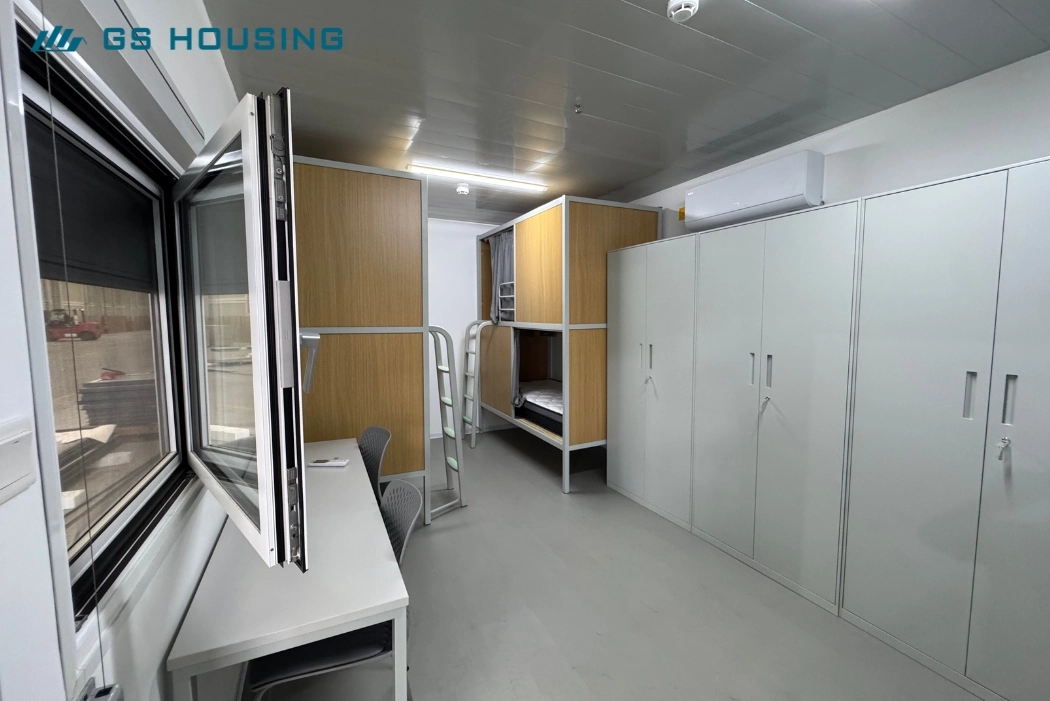
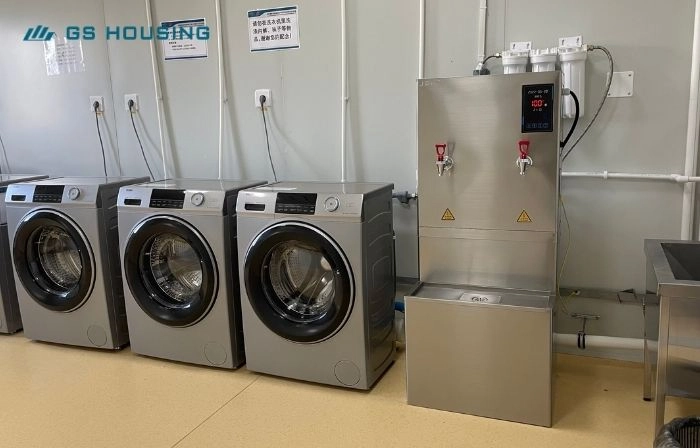
Dormitory modules provide sleeping areas for workers, while shared spaces support dining, sanitation, and daily living requirements.
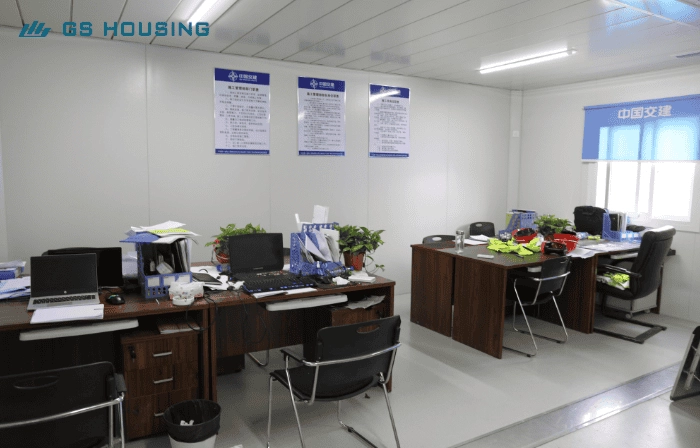
Office modules are also integrated into the camp structure to support site coordination and administrative tasks.
The arrangement of units ensures separation between living and working areas while maintaining efficient movement within the camp.
The use of modular units allows the layout to remain adaptable throughout different phases of the project.
Flat pack delivery and on-site assembly process
Flat pack delivery and on-site assembly process
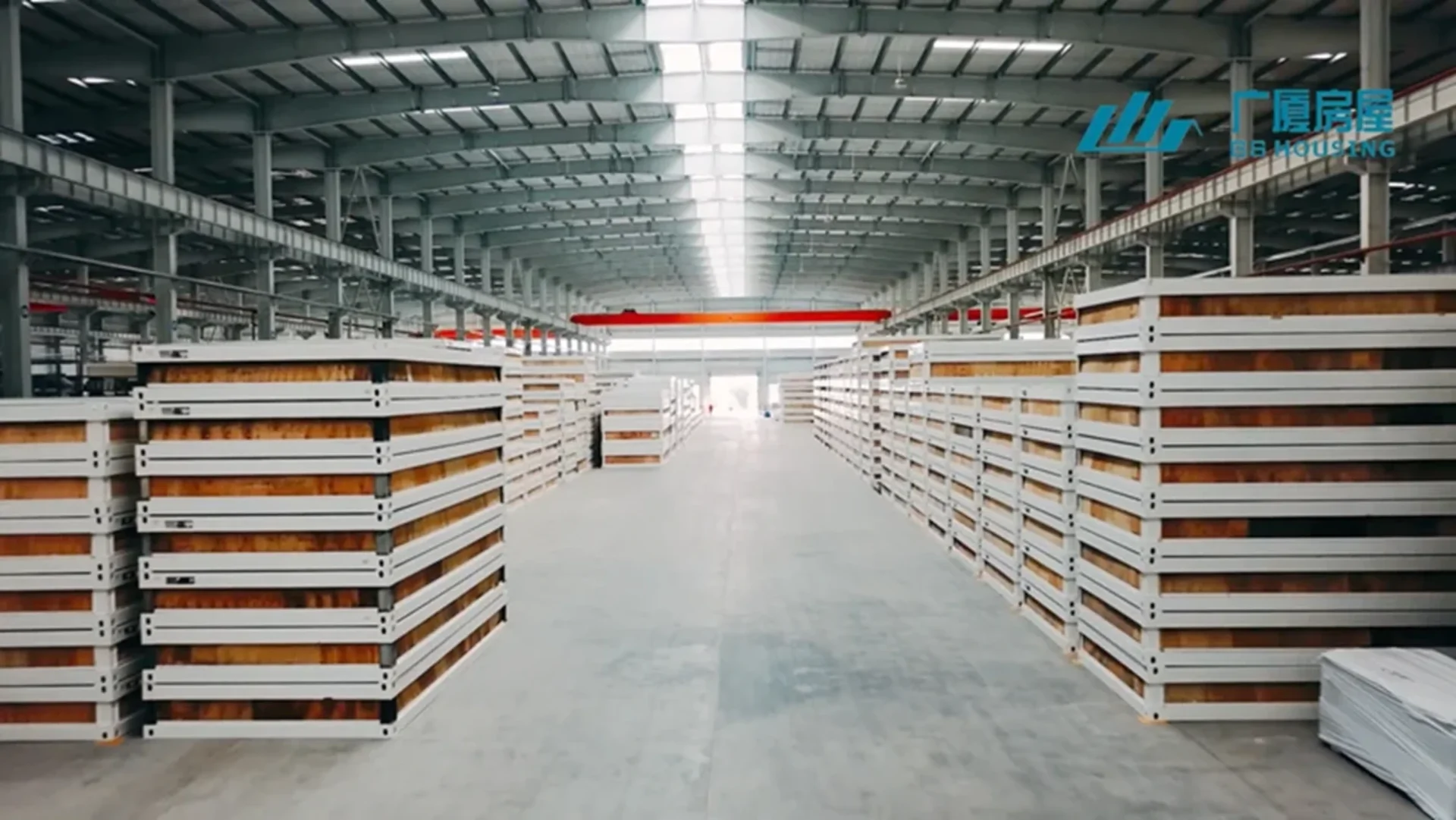
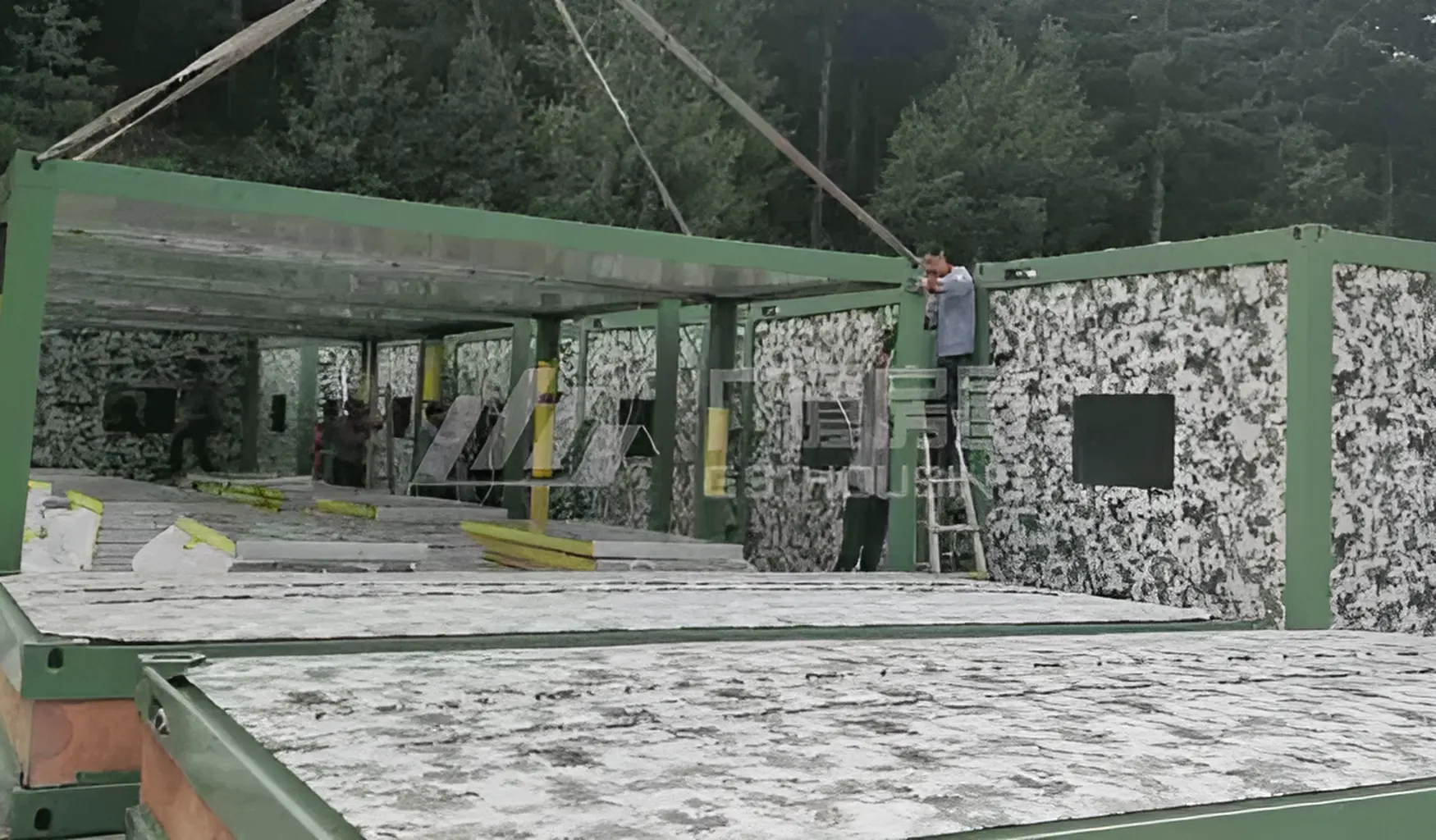
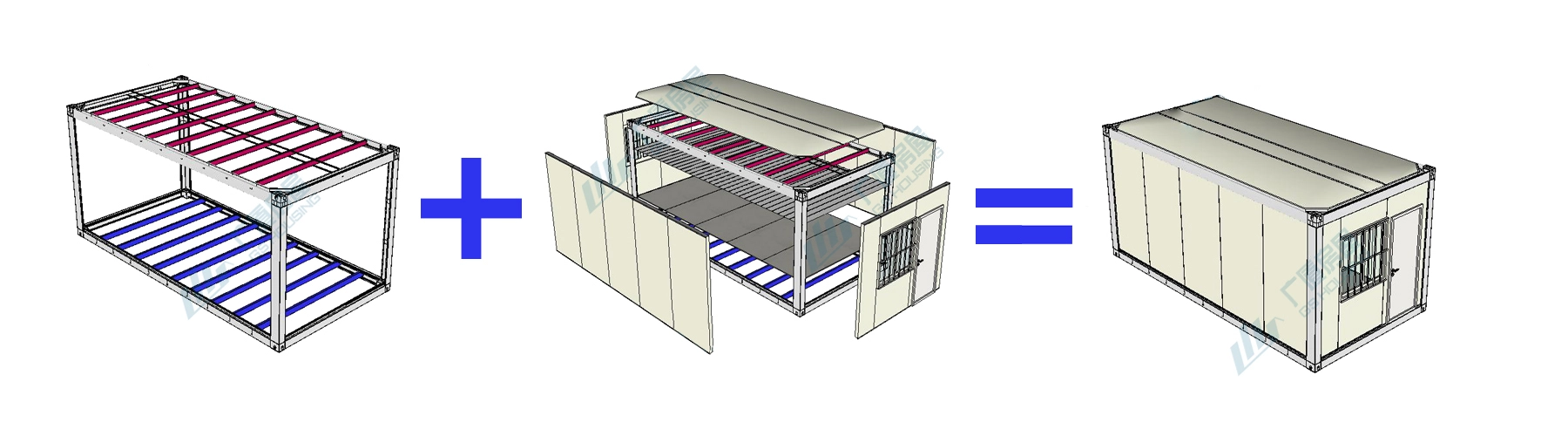
The project uses a flat pack transportation method, where container house units are delivered in prefabricated form.
Once delivered, the units are assembled on-site using standardized connection systems.
This process reduces on-site construction complexity and allows the worker accommodation camp to become operational within a shorter timeframe.
The modular approach also supports future expansion or relocation if project conditions change.
Structural logic behind the modular system
Structural logic behind the modular system
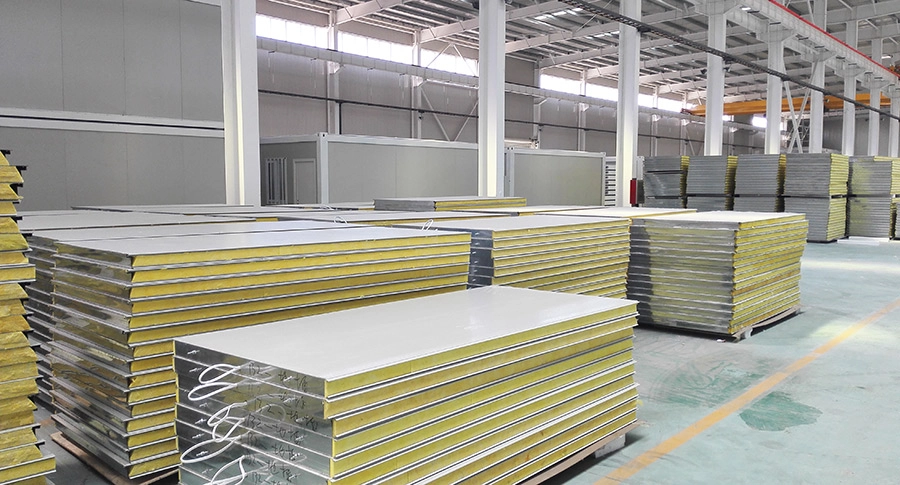
The container house units are built using a steel frame structure combined with prefabricated wall and roof components.
Each unit is designed for repeatable use across different project environments, ensuring consistent performance in various construction scenarios.
Although the system can be described as a modular system, it is not the focus of the project narrative. It functions only as a supporting structure for deployment efficiency.
The emphasis remains on the worker accommodation outcome rather than the technical system itself.
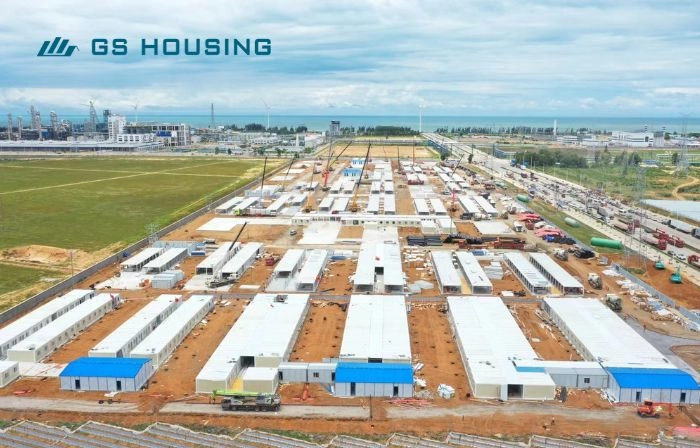
GS Housing role in the project
GS Housing role in the project
GS Housing provides the modular container house units used in this project.
The company focuses on delivering standardized construction modules that can be reused across different labor camp environments worldwide.
The value of the system lies in its ability to support repeated deployment rather than one-time construction.
This makes it suitable for international construction projects where workforce accommodation needs to be flexible and scalable.
Living environment and operational use
Living environment and operational use
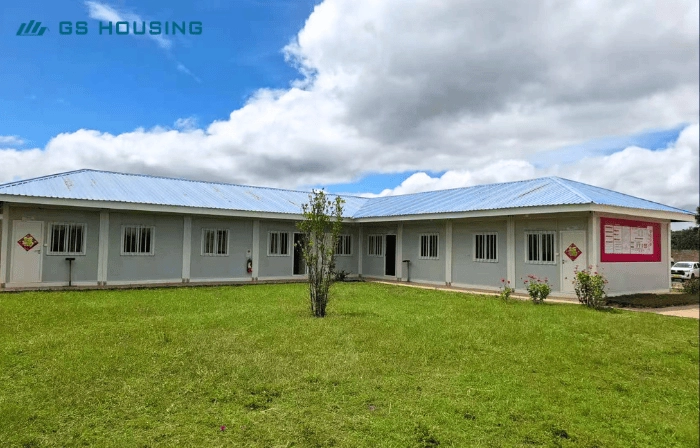
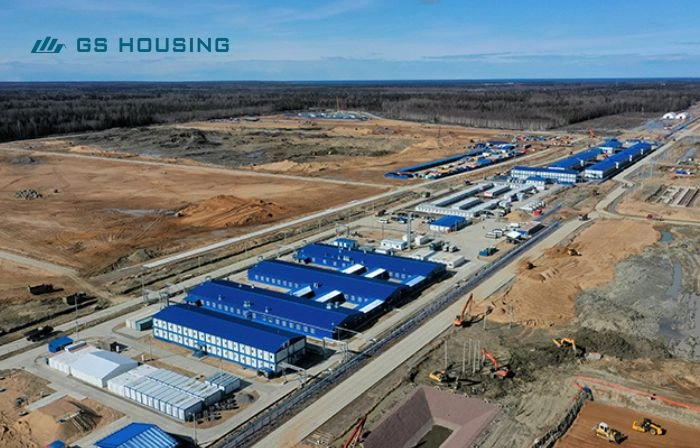
Once completed, the Buenos Aires camp operates as a fully functional worker accommodation environment.
It supports daily living, rest, and coordination activities for construction personnel within a unified modular structure.
Dormitory units provide shared accommodation, while supporting modules ensure access to essential services such as dining, sanitation, and management spaces.
The layout allows workers to live and operate within the same controlled environment, improving site efficiency.
Application scenarios
Application scenarios
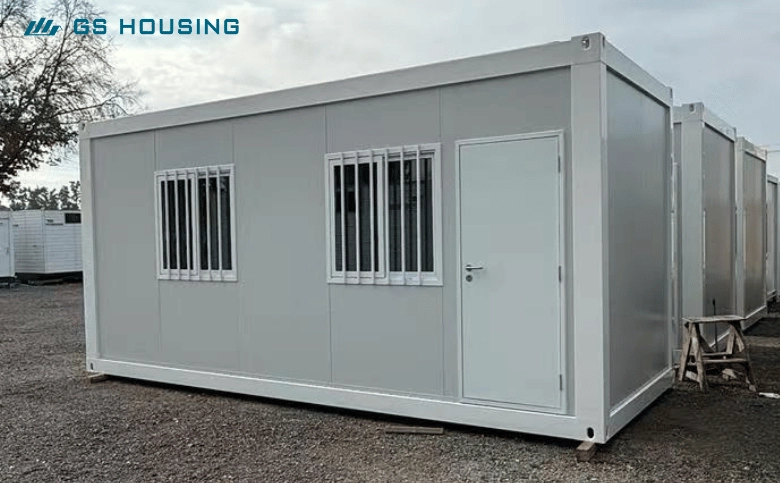
This type of container house based accommodation system can be used in multiple construction-related environments.
It is suitable for:
- construction site worker housing
- infrastructure development camps
- temporary labor camp deployment
- industrial workforce accommodation
The flexibility of modular units allows adaptation to different site conditions and project requirements.
For more information, you can contact us.