Introduction
Most construction and mining projects don’t run into trouble because of engineering.
They run into trouble because the worker accommodation camp stops functioning properly once the workforce grows.
At first, everything feels manageable. The first batch of workers moves in, the dining hall works fine, bathrooms are clean, and transportation routes seem efficient enough.
Then the project expands.
Suddenly, workers are standing in line for showers after shifts. Dining areas become overcrowded. Maintenance teams can’t keep up. People spend too much time walking between facilities.
That’s usually the point when contractors realize the camp itself has become part of the project’s operational system — not just temporary housing.
This is one reason modular workforce accommodation is becoming standard on remote construction, mining, and infrastructure projects in 2026. Compared with traditional site-built camps, modular systems are faster to deploy, easier to expand later, and far more practical when workforce numbers keep changing.
A properly planned labor accommodation camp helps improve:
workforce efficiency
daily operations
safety and logistics management
long-term operating costs
This guide looks at how modern worker accommodation camps are typically planned, what facilities matter most, and why modular container systems are now widely used in remote industrial projects.
Why a Worker Accommodation Camp Starts Affecting Productivity Faster Than Most Teams Expect
Many project teams spend months planning construction schedules, equipment delivery, and manpower allocation.
But after operations begin, the worker accommodation camp often becomes one of the busiest and most heavily used parts of the site.
And once layouts are inefficient, the problems repeat every single day.
Workers lose time moving between facilities. Dining halls get congested during shift changes. Shared sanitation areas wear down faster than expected. Maintenance pressure gradually increases as workforce numbers rise.
These are not dramatic problems individually.
But over a 2-year project, they become expensive.
Well-planned camps usually work differently:
accommodation zones are distributed more evenly
shared facilities are easier to access
worker circulation becomes smoother
future expansion is easier to manage
That’s one reason many contractors are moving toward modular layouts instead of fixed traditional camp construction.
What a Modern Worker Accommodation Camp Usually Needs to Function Properly
Every project is different, but most successful worker accommodation camps follow a fairly similar structure.
The goal is not luxury.
The goal is making daily operations easier to manage over the full project lifecycle.
Dormitory Areas That Support Long Work Rotations
Dormitories are where workers spend most of their off-shift time, so poor sleeping conditions usually affect morale very quickly.
Most modular dormitory systems include:
shared worker rooms
separate supervisor rooms
insulated wall systems
heating or air conditioning depending on climate
For remote mining projects, ventilation and noise control become especially important because workers may remain on-site for weeks or months at a time.
Instead of concentrating all rooms into one oversized block, larger camps often divide dormitories into separate accommodation zones. That usually reduces congestion and makes management easier later.
For projects in isolated environments, many contractors now use modular layouts similar to those shown in our remote mining workforce accommodation solutions.
Bathroom and Shower Areas That Don’t Become Bottlenecks
Bathroom planning is one of the most underestimated parts of camp design.
One centralized sanitation block may look efficient on paper. In practice, it often creates queues during peak shift hours.
Most modular bathroom systems arrive factory-finished with:
plumbing systems
ventilation equipment
waterproof flooring
drainage systems
A common benchmark used in many labor accommodation projects is:
1 shower for every 6–8 workers
1 toilet for every 8–10 workers
For medium and large worker accommodation camps, distributed sanitation zones usually work better than a single centralized facility.
Dining Areas Usually Become the First Pressure Point
Dining halls are often the busiest areas inside a labor accommodation camp.
The issue usually isn’t the kitchen itself.
It’s timing.
When hundreds of workers finish shifts within a short period, poorly planned dining zones become overcrowded very quickly.
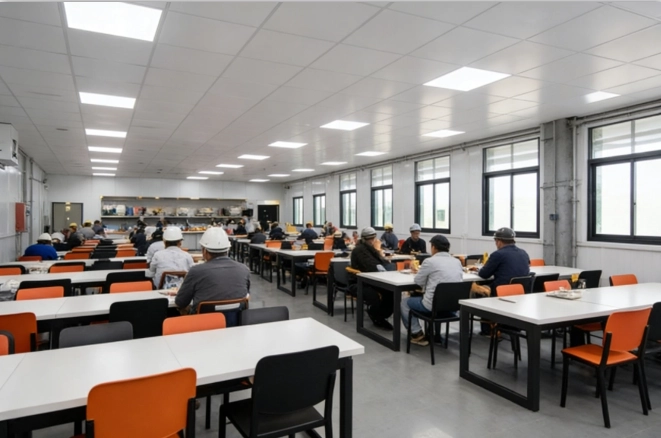
A typical modular dining area may include:
dining hall
industrial kitchen
refrigeration room
food storage area
waste collection zone
Many larger projects stagger meal schedules to reduce congestion during peak periods.
Container-based kitchen systems are widely used because they can expand later if workforce numbers increase during future project phases.
Laundry and Utility Areas Are Often Planned Too Late
Laundry planning usually receives very little attention during the early design stage.
But on mining and industrial projects, workers may need daily uniform cleaning because of dust, mud, chemicals, or heavy rain.
Practical laundry areas typically include:
industrial washing machines
drying zones
ventilation systems
proper drainage
In larger camps, splitting laundry facilities across different accommodation zones usually reduces waiting times and improves circulation.
Office and Support Areas Keep the Entire Camp Organized
Most workforce accommodation camps also require:
site offices
security rooms
meeting rooms
storage areas
control rooms
Separating office zones from worker dormitories usually improves workflow while reducing noise inside living areas.
For remote projects, many contractors prefer modular office systems because they install quickly and can expand later if staffing requirements change.
Projects that need a complete camp setup — not just dormitories — often use integrated layouts similar to these prefabricated camp systems designed for large workforce accommodation projects.
How Worker Accommodation Camp Layouts Usually Change as Workforce Numbers Grow
A camp designed for 50 workers rarely works well for 500.
Once workforce numbers increase, circulation planning becomes much more important.
| Camp Size | Typical Layout Focus | Common Solution |
| Under 100 workers | Compact shared facilities | Expandable container systems |
| 100–300 workers | Separate accommodation zones | Standard modular container units |
| 300+ workers | Multi-zone camp infrastructure | Mixed modular camp systems |
Small Camps Usually Prioritize Speed
Smaller camps are often used for:
early-stage construction projects
exploration sites
temporary engineering works
At this stage, project teams usually prioritize:
Fast deployment
Lower transportation cost
Simple utility systems
Expandable container accommodation systems are commonly used because they reduce shipping volume while remaining quick to install.
Medium and Large Camps Need Better Circulation Planning
Once camps exceed around 100 workers, layout efficiency becomes much more important.
Projects usually separate:
dormitory blocks
dining zones
sanitation facilities
office areas
Without proper zoning, congestion during shift changes becomes difficult to manage.
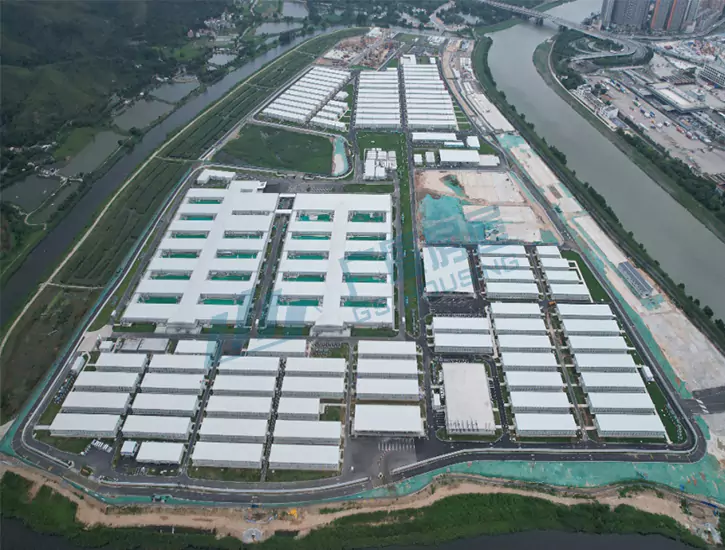
Large workforce accommodation camps often operate more like temporary industrial communities, including medical rooms, recreation zones, parking areas, and waste management systems.
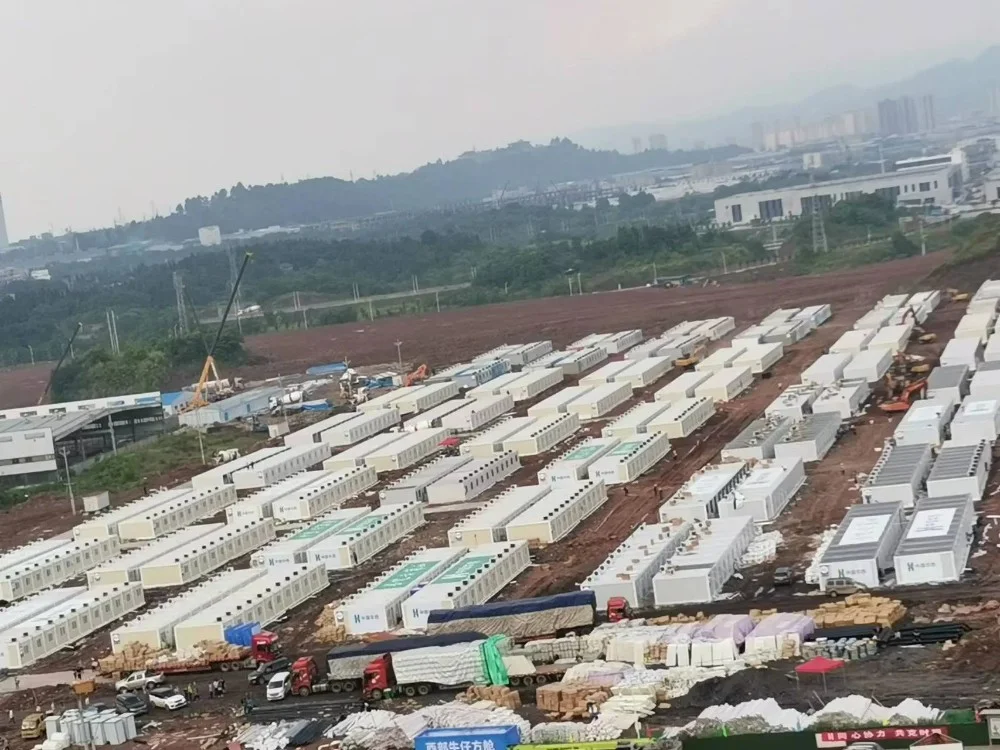
Many contractors now rely on phased modular deployment similar to these modular camp solutions for construction sites because the layout can expand gradually alongside workforce growth.
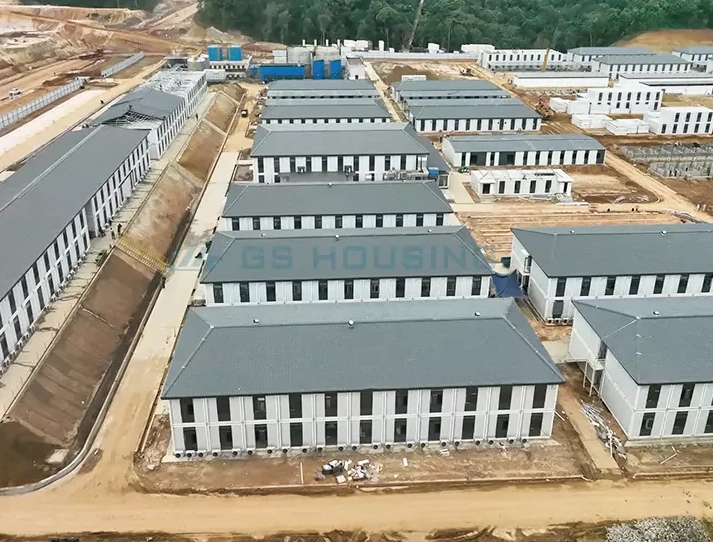
What a 5,000-Worker Mining Camp in Indonesia Looked Like in Practice
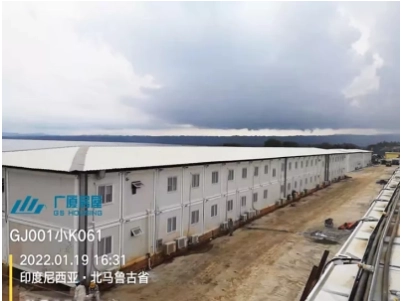
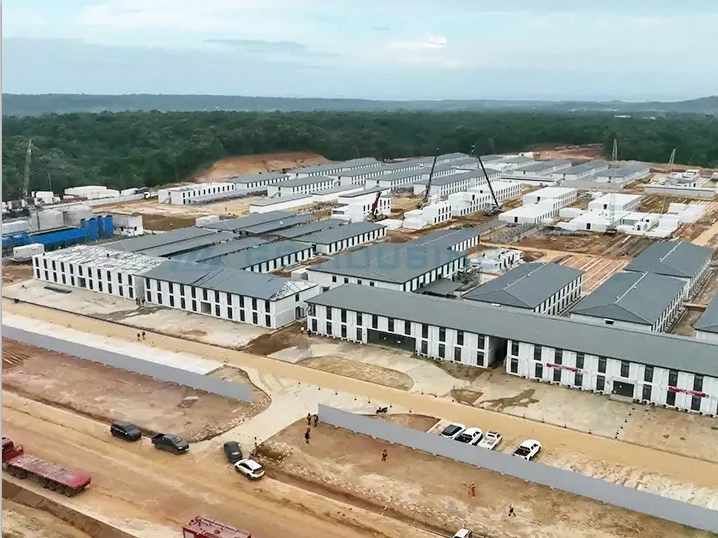
One example of phased workforce accommodation planning is GS Housing’s mining camp project in Indonesia.
The project eventually supported more than 5,000 workers and included over 1,000 modular container units.
The camp included:
64 accommodation buildings
distributed public bathroom facilities
six dining halls
a 300-person office building
recreation and support facilities
Instead of building the entire camp at once, the project expanded gradually as workforce numbers increased.
That approach reduced early infrastructure pressure while making later expansion much easier to manage.
Compared with traditional site-built accommodation, modular deployment also simplified transportation and installation coordination in the remote project area.
Why Modular Worker Accommodation Works Better in Remote Projects
Remote projects usually create the same set of challenges:
difficult transportation
limited local infrastructure
harsh climate conditions
tight schedules
changing workforce numbers
Traditional construction methods often struggle under these conditions.
That’s why modular worker accommodation systems are becoming increasingly common across mining, infrastructure, and energy projects.
Faster Deployment
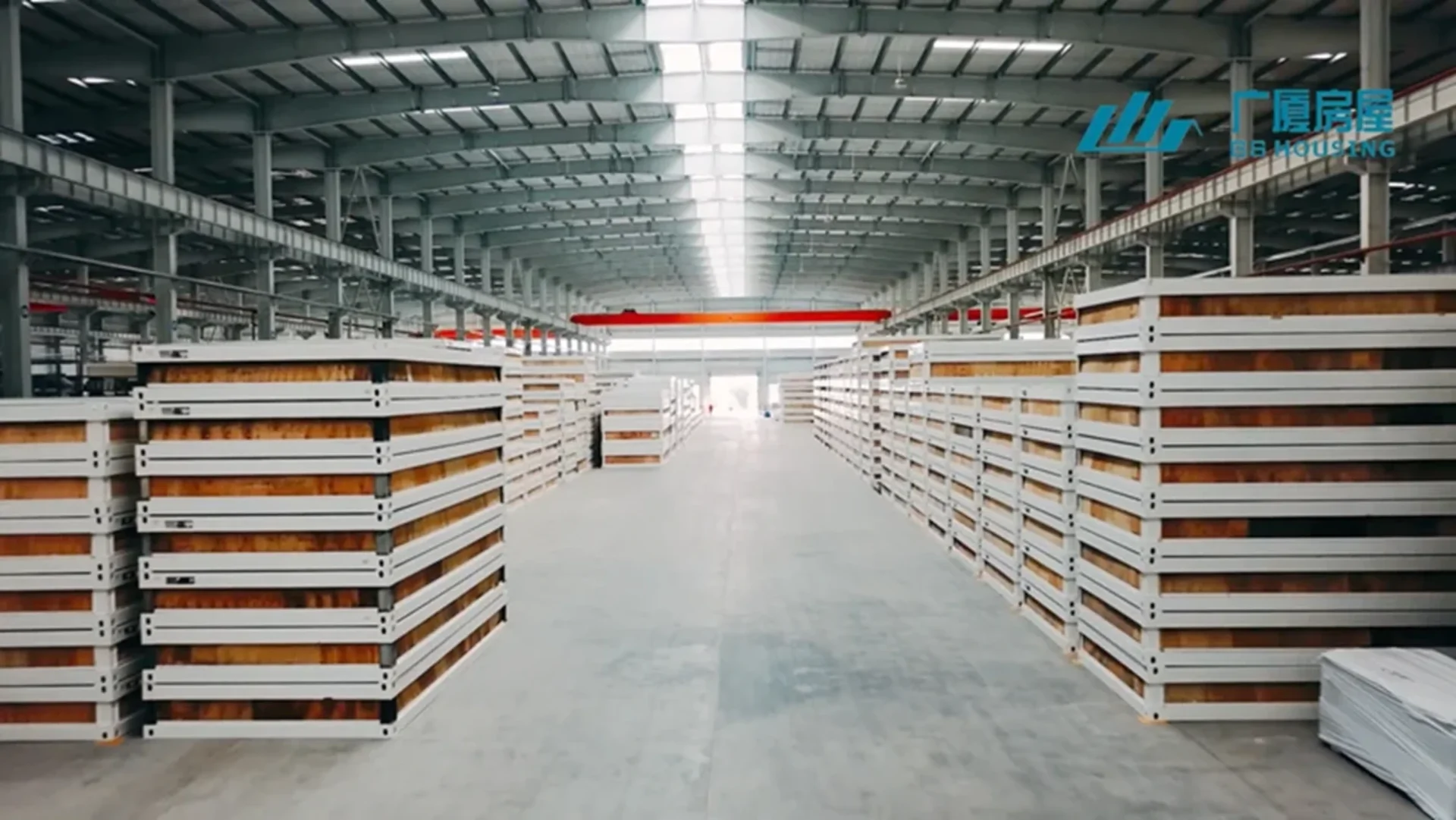
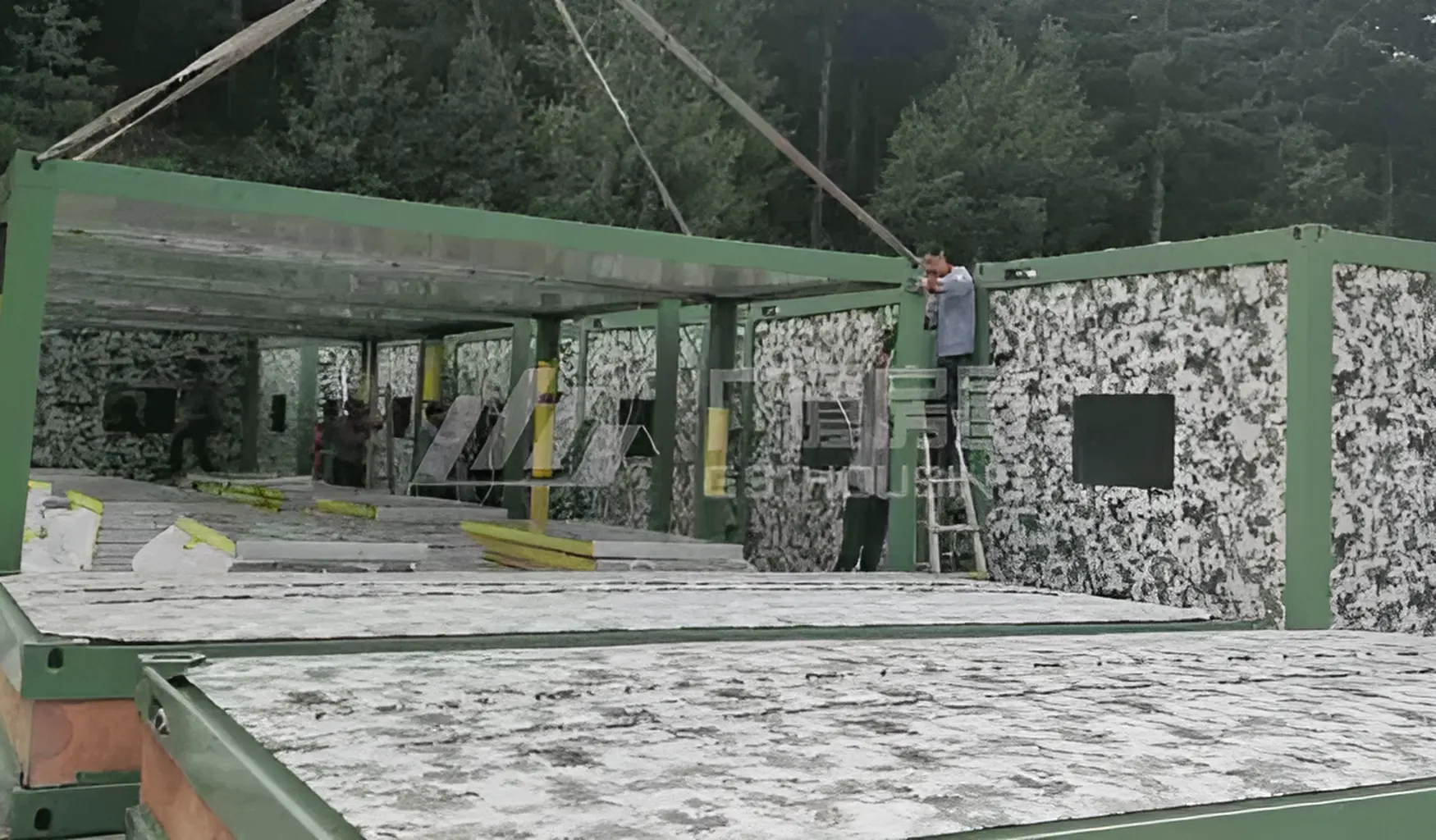
Most modular accommodation units are manufactured in factories before shipment.
That allows:
parallel manufacturing and site preparation
reduced weather delays
faster installation on-site
Compared with traditional construction, modular camps can reduce deployment timelines by roughly 30–50%.
Better Transportation Efficiency
Transportation has become one of the largest cost variables in remote workforce accommodation projects.
Container-based systems help reduce:
shipping volume
loading and unloading time
logistics complexity
relocation difficulty
For overseas projects, transportation efficiency can significantly affect total project cost.
Easier Expansion and Reuse
Workforce numbers rarely stay stable throughout an entire project lifecycle.
Modular systems make it easier to:
add dormitories later
expand dining facilities
relocate office zones
reconfigure layouts as project conditions change
That flexibility helps reduce wasted infrastructure later.
Common Worker Accommodation Camp Mistakes That Create Bigger Problems Later
Many camp problems begin with small decisions made during the planning stage.
Centralizing Too Many Shared Facilities
One centralized sanitation or dining zone may simplify installation early on, but it often creates congestion later as workforce numbers grow.
Distributed facilities usually perform better in medium and large camps.
Ignoring Future Workforce Expansion
Some camps are designed only around the initial workforce size.
Once staffing increases, expansion becomes difficult and expensive.
Modular camp systems help avoid this problem because additional units can be deployed gradually.
Prioritizing Lowest Upfront Cost
The cheapest camp layout is not always the most cost-effective long term.
Poor circulation planning and overcrowded facilities often create larger operational costs later.
Why Container House Systems Are Widely Used in Workforce Accommodation Projects
Container house systems are widely used because they combine:
fast installation
structural durability
flexible layouts
easier transportation
reusability across multiple projects
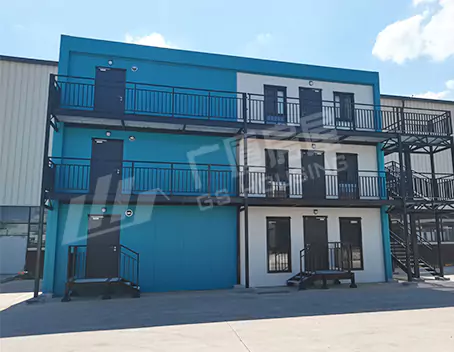
In workforce accommodation camps, modular container systems can function as:
dormitories
offices
bathrooms
dining halls
laundry facilities
medical rooms
Many contractors looking for scalable layouts now prefer flexible modular setups like these worker accommodation solutions because they can be adjusted more easily as project conditions change.
Final Thoughts
A worker accommodation camp is not simply temporary housing.
On remote construction and mining projects, it directly affects workforce efficiency, logistics management, safety, and long-term operating costs.
Well-planned camps are easier to manage, easier to expand, and far more efficient across the full project lifecycle.
That’s why more contractors are moving toward modular workforce accommodation systems that can adapt to changing workforce demands and remote project conditions.
Ofte stilte spørsmål
What’s usually the best worker accommodation solution for remote projects?
For most remote construction and mining projects, modular worker accommodation systems are usually the most practical option because they deploy faster and are easier to expand later.
How many workers can a modular accommodation camp support?
That depends on the project layout. Small camps may support fewer than 50 workers, while large modular camps can support several thousand workers.
Why are container systems commonly used in labor accommodation projects?
Mainly because they’re durable, fast to install, easier to transport, and flexible enough for phased project expansion.
Can modular worker accommodation be adapted for different climates?
Yes. Insulation, ventilation, heating systems, roofing, and interior materials can all be adjusted based on local climate conditions.
Need Help Planning a Workforce Accommodation Project?
GS Housing provides modular workforce accommodation solutions for:
construction projects
mining camps
infrastructure developments
remote industrial sites
Solutions include:
worker dormitories
modular bathrooms
dining halls
office facilities
laundry systems
complete worker accommodation camp planning
If you’re planning a worker accommodation project, the team can help with:
camp layout recommendations
transportation planning
product configuration
project-based quotations
Request a preliminary camp layout proposal, transportation plan, and project quotation based on your workforce size and site conditions.