The mine has been approved.
Financing is secured.
Equipment procurement is underway.
Construction schedules are being finalized.
Then someone asks a surprisingly simple question:
“Where will the first 600 workers live?”
For many mining developers across South America, that’s when accommodation suddenly becomes a priority.
A lithium project in northern Argentina may be hundreds of kilometers from the nearest major city.
A copper operation high in the Andes might have access to world-class mineral reserves but almost no workforce infrastructure.
Hotels are unavailable.
Rental housing doesn’t exist.
Local construction resources are limited.
Yet the project timeline keeps moving.
Workers usually arrive long before permanent communities do.
That challenge is becoming one of the defining characteristics of the South America mining camp market.
Across copper mines, lithium projects, and large-scale mineral developments, workforce accommodation is increasingly becoming critical infrastructure rather than a temporary support facility.
And that’s one reason modular mining camps are seeing growing demand throughout the region.
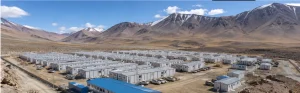
Why the South America Mining Camp Market Is Expanding Beyond Traditional Mining Regions
South America has always been one of the world’s most important mining regions.
It contains approximately 60% of global proven lithium reserves and roughly 25% of global copper resources.
But the story isn’t simply about mineral wealth.
What’s changing is where new projects are being developed.
Many of the easiest-to-access deposits have already been explored.
Today’s major investments are increasingly moving into remote areas where infrastructure development struggles to keep pace with mining investment.
In many cases, accommodation demand grows long before local housing, roads, and services can catch up.
For project owners, that creates three challenges at the same time.
The Housing Gap
Large workforces need accommodation immediately.
Many mining regions simply don’t have enough housing capacity nearby.
The Construction Gap
Even when land is available, traditional construction can be slow.
Remote regions often lack sufficient contractors, labor, and supporting resources.
The Logistics Gap
Transporting materials to isolated mining locations is expensive and time-consuming.
Every additional shipment increases project complexity.
Together, these challenges are reshaping the South America mining camp market and driving demand for accommodation systems that can be deployed quickly with minimal reliance on local construction resources.
How the Lithium Triangle Is Reshaping the South America Mining Camp Market
When discussing the future of South American mining, one region appears repeatedly:
The Lithium Triangle.
Covering parts of Argentina, Chile, and Bolivia, this area contains some of the world’s largest lithium reserves.
As battery production and electric vehicle manufacturing continue expanding, investment in lithium extraction projects has accelerated rapidly.
Unlike traditional mining regions with established towns nearby, many lithium developments begin in locations where accommodation infrastructure barely exists.
Developers often need to create a workforce community from the ground up.
Before production facilities are completed, project teams already need:
- Workforce accommodation
- Uffici di cantiere
- Dining facilities
- Medical rooms
- Laundry buildings
- Security facilities
In many cases, camp construction becomes one of the first visible signs that a mining project is moving forward.
This is driving growing demand for:
- lithium mining accommodation
- lithium project accommodation
- mining workforce accommodation South America
- remote mining camp construction
- mining camp infrastructure South America
For developers operating in remote regions, accommodation frequently becomes a critical path item rather than a secondary consideration.
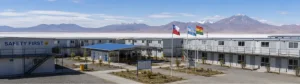
The Copper Is Underground. The Accommodation Challenge Starts Above Ground
Copper projects create a different type of accommodation demand.
Unlike temporary infrastructure projects, copper mines often operate for decades.
The workforce evolves throughout different development stages.
Construction crews arrive first.
Then engineers.
Then operations teams.
Then long-term maintenance personnel.
Accommodation requirements grow alongside the project itself.
The challenge is timing.
Production schedules are usually aggressive.
A delayed camp can delay workforce mobilization.
A delayed workforce can affect construction progress.
This is why many developers now evaluate copper mine workforce housing at the same time they evaluate processing facilities and operational infrastructure.
Because once workers arrive, accommodation shortages become highly visible very quickly.
Why Modular Camps Are Becoming a Core Part of the South America Mining Camp Market
Modular mining camps solve the three biggest challenges facing remote mining projects.
Housing Gap
Accommodation can be occupied immediately after installation.
Construction Gap
Most manufacturing is completed in the factory, reducing dependence on local labor availability.
Logistics Gap
Flat pack systems ship efficiently in standard containers, reducing transportation complexity.
Mining companies are not choosing modular camps because they’re fashionable.
They’re choosing them because the logistics make sense.
A modern modular mining camp can integrate:
- Dormitories
- Offices
- Kitchens
- Dining halls
- Shower facilities
- Laundry buildings
- Medical rooms
- Recreation areas
within a single development.
Factory production can take place while site preparation happens simultaneously.
That parallel workflow often shortens project schedules significantly.
For remote mining developments, scalability is equally important.
A camp built for 500 workers today may need to support 800 workers in the future.
Modular construction makes that transition much easier.
What the Huayou Cobalt Project Reveals About Modern Mining Accommodation
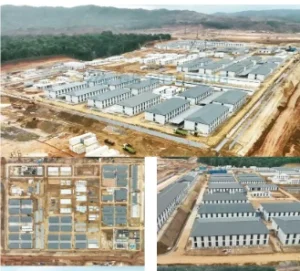
Although located in Indonesia rather than South America, GS Housing’s Huayou Cobalt mining accommodation project demonstrates a challenge mining developers everywhere recognize.
The project required workforce housing and support facilities in a remote mining environment where accommodation needed to keep pace with project development.
The challenge wasn’t finding land.
The challenge was creating a functioning workforce community quickly enough to support operational schedules.
Accommodation buildings, offices, sanitation facilities, and service buildings all needed to be delivered efficiently and installed within demanding timelines.
Waiting for conventional construction would have increased workforce mobilization pressure and added project risk.
Instead, modular construction allowed accommodation infrastructure to be deployed alongside mine development.
The location may be different from Argentina, Chile, or Peru.
The challenge is remarkably similar.
Workers usually arrive before infrastructure does.
Projects that address accommodation early often avoid operational bottlenecks later.
A Mining Camp Today Is More Than Just Dormitories
Many first-time mining developers underestimate how much infrastructure a workforce camp actually requires.
Accommodation is only one part of the equation.
A complete mining camp may include:
- Worker accommodation
- Administrative offices
- Kitchens and dining halls
- Shower and sanitation facilities
- Laundry areas
- Recreation facilities
- Medical rooms
- Security facilities
Together, these buildings create a self-contained community capable of supporting long-term mining operations.
Many developers choose prefabricated camp solutions because planning all facilities together simplifies logistics and future expansion.
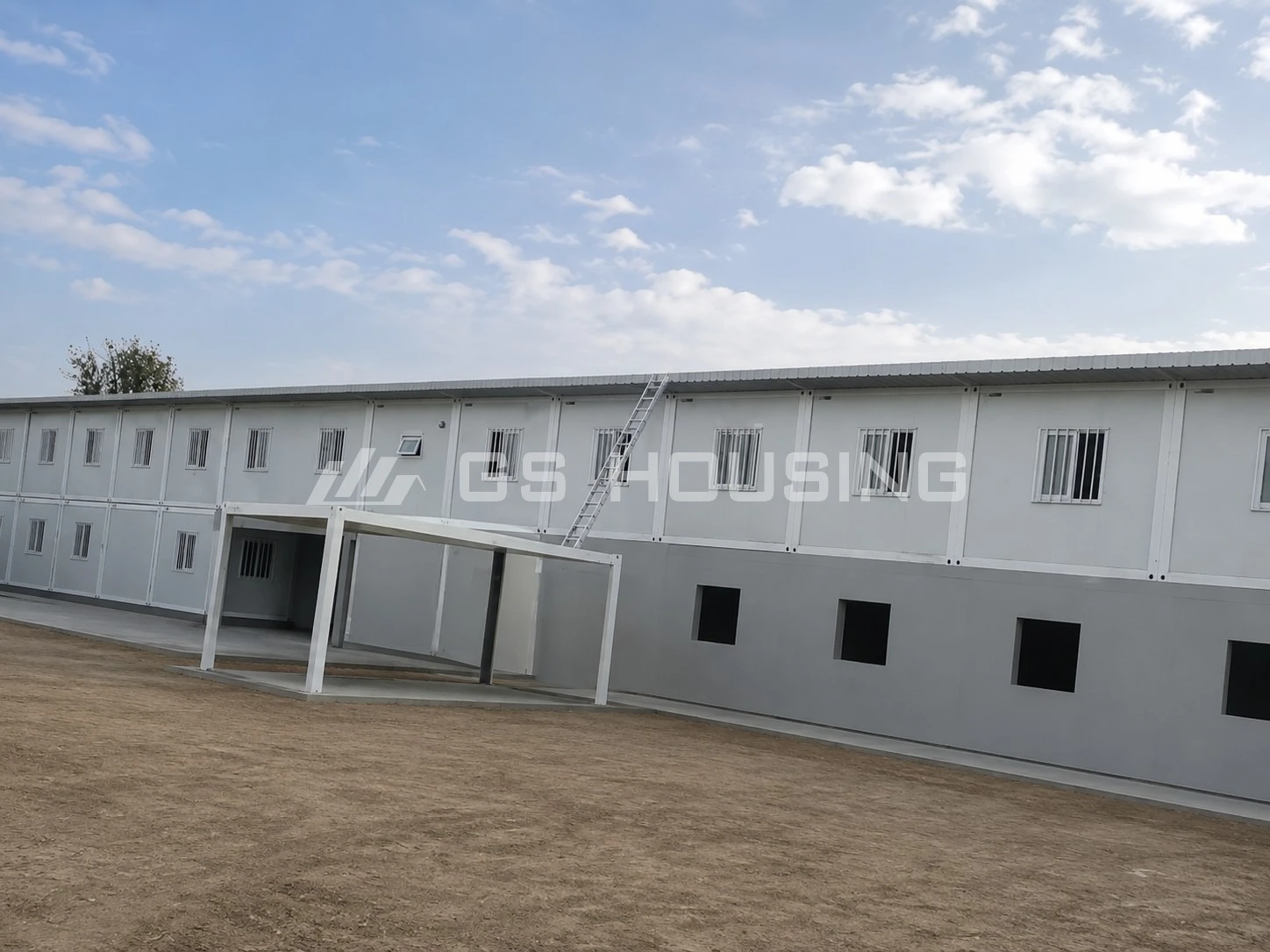
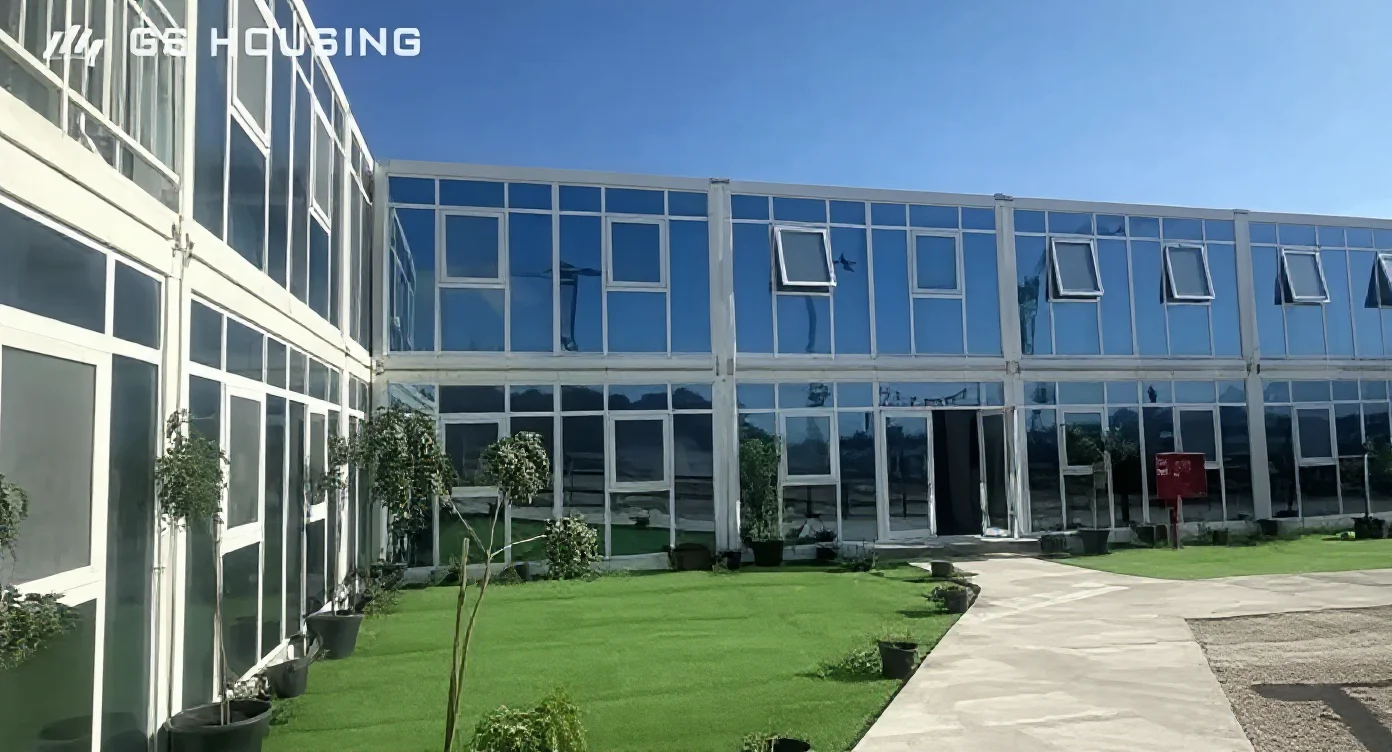
Projects requiring transportation efficiency frequently incorporate flat pack container housesystems, especially in remote regions where logistics costs have a major impact on budgets.
For additional insight into workforce housing strategies, see our guide on modular housing solutions for remote South American mining projects.
The Best Time to Plan a Mining Camp Is Usually Earlier Than Expected
At some point, every mining project reaches the same conversation.
Someone asks how many workers will arrive during Phase One.
Someone asks where they will live.
And accommodation suddenly becomes a project priority.
Across South America, that conversation is happening more often as copper and lithium developments continue expanding into increasingly remote locations.
By the time the first earthmoving equipment reaches site, accommodation decisions have usually already been made.
The real question is whether those decisions were made during project planning—or later when workforce numbers start exceeding available housing capacity.
Most project teams would rather solve the problem early.
Because once workers arrive, accommodation is no longer a planning issue.
It’s an operational issue.
If you’re evaluating workforce housing for a copper mine, lithium project, or remote mining development, now is often the best time to start planning.
You can contact our team to request a modular camp layout tailored to your mining project requirements.
Condividi questa storia, scegli la piattaforma che preferisci!
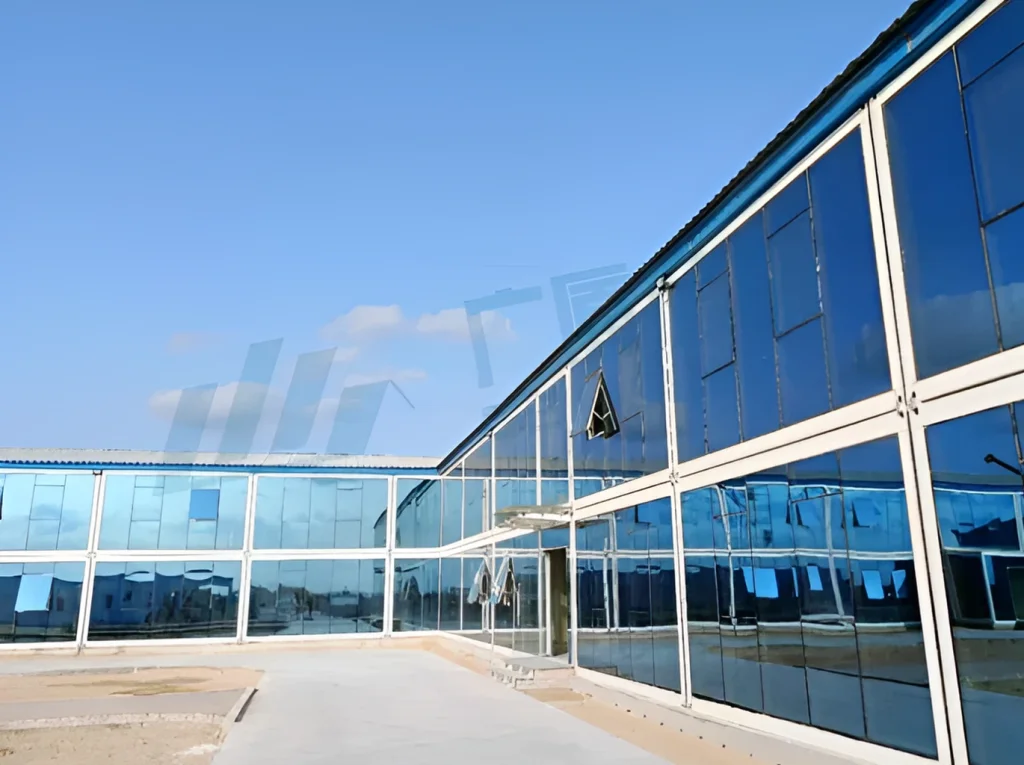 Come progettare un campo di lavoro con alloggi in container per progetti in località remote
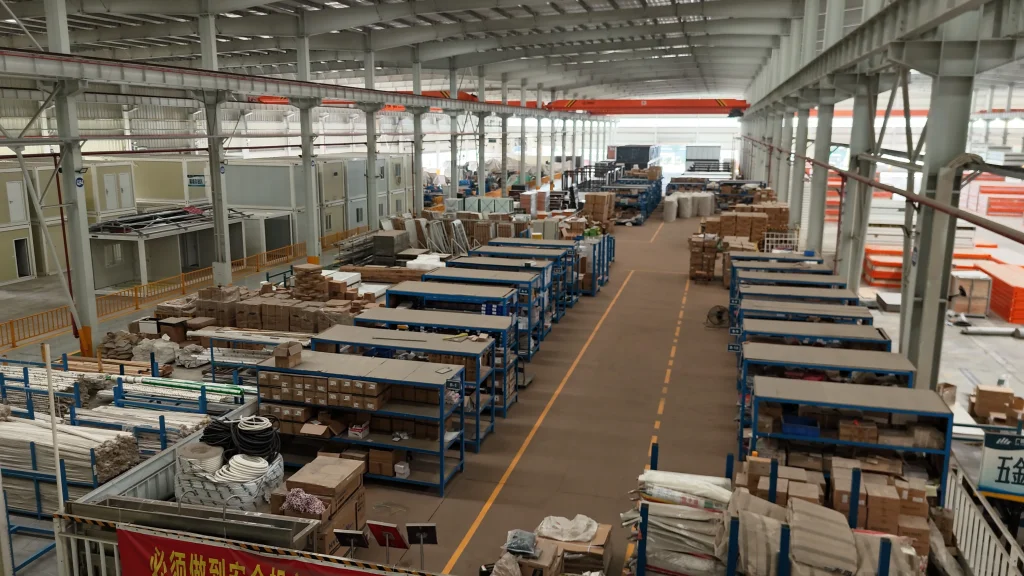 Standard dei materiali per i campi prefabbricati: perché il campo più economico spesso finisce per essere quello più costoso