Project Background – Remote Energy Development Requirements
Oil and gas field development projects are typically located in remote desert regions, offshore inland zones, or isolated industrial areas where basic infrastructure is limited or not yet developed. In these environments, construction teams need a reliable temporary living and working system that can support long-term field operations without relying on permanent buildings.
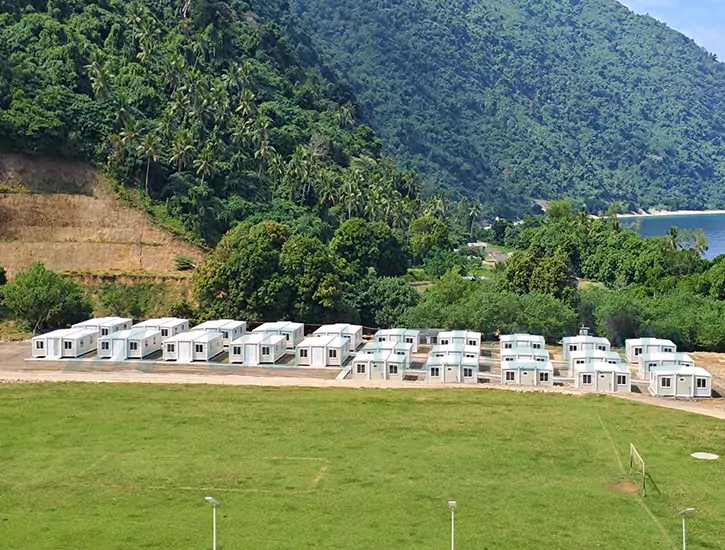
The modular camp solution is designed to meet these requirements by providing a fully functional temporary site infrastructure. It enables energy companies and contractors to quickly establish accommodation and operational facilities directly at the project location. Instead of traditional construction methods that require long timelines and complex on-site labor, modular systems are prefabricated in factories and then transported to the site for assembly.
This approach significantly improves deployment efficiency while maintaining consistent building quality. It also allows project teams to respond quickly to different phases of oil and gas field development.
System Overview – Integrated Modular Living Environment
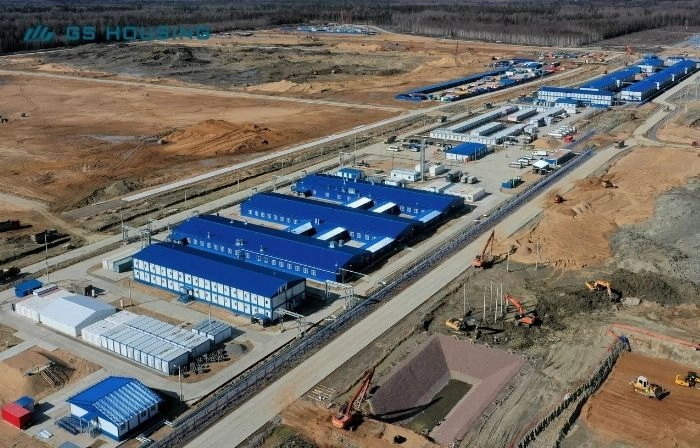
The modular camp is a complete integrated system rather than a single building structure. It is composed of multiple functional units that are designed to work together as a unified site environment.
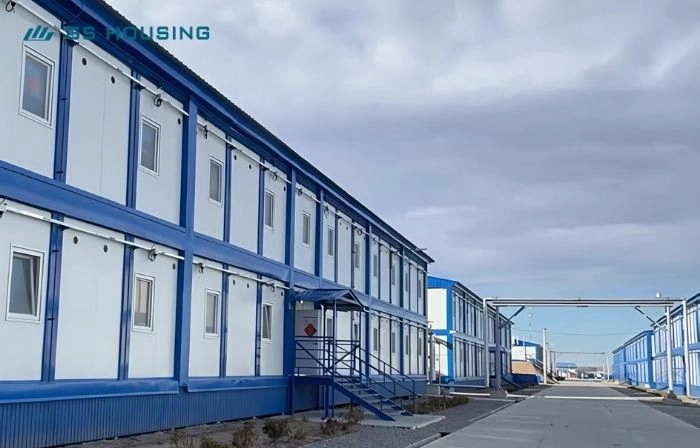
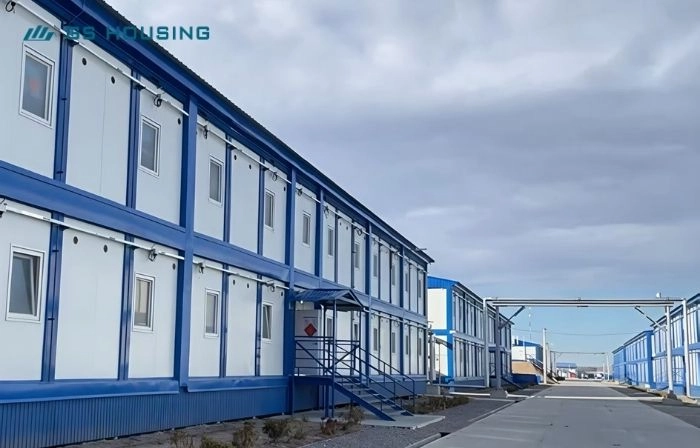
These units typically include worker accommodation buildings, office modules, dining halls, kitchen facilities, laundry rooms, and sanitation systems. Each module serves a specific operational purpose, and all units are connected through a planned layout that ensures efficient movement and clear functional zoning.
The system creates a self-contained environment where workers can live, eat, work, and rest within the same site boundary. This reduces travel requirements and improves operational efficiency for remote oil and gas field projects.
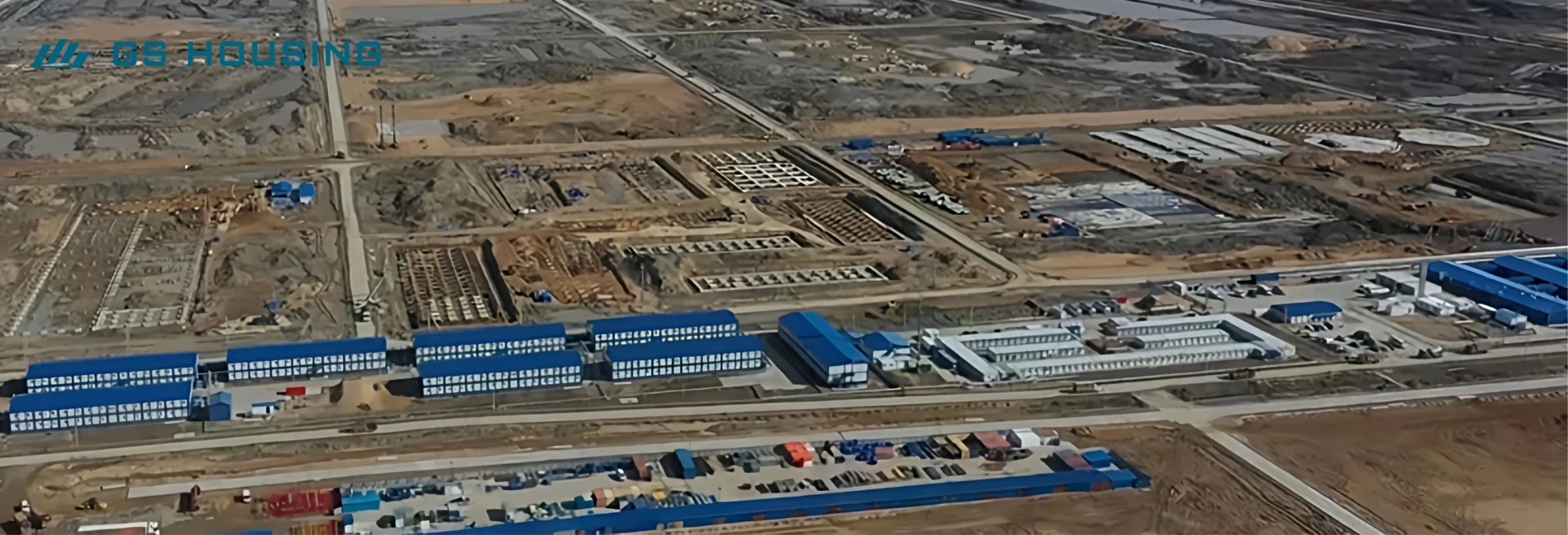
Modular Construction System – Factory Prefabrication Method
Modular Construction System – Factory Prefabrication Method
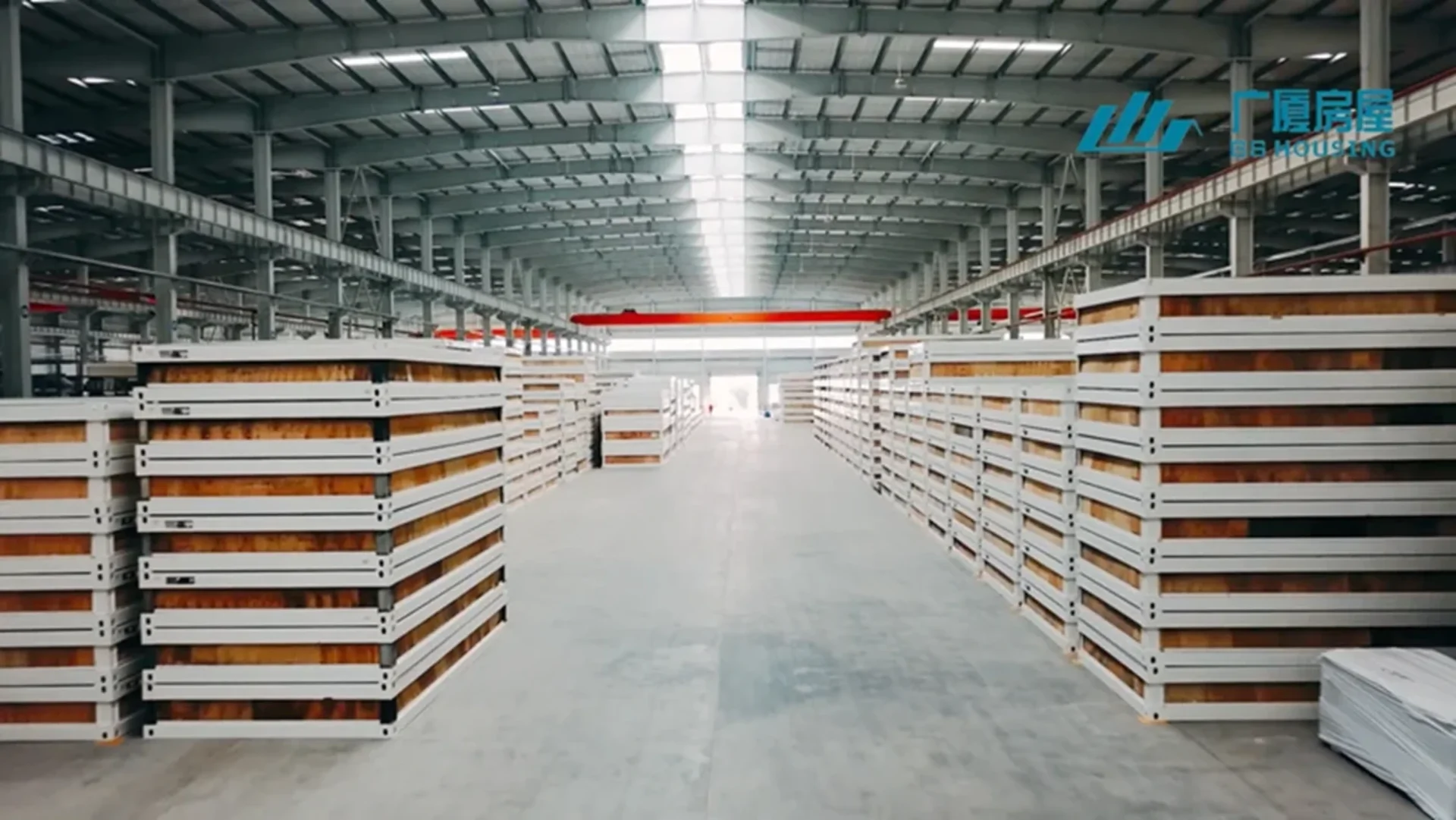
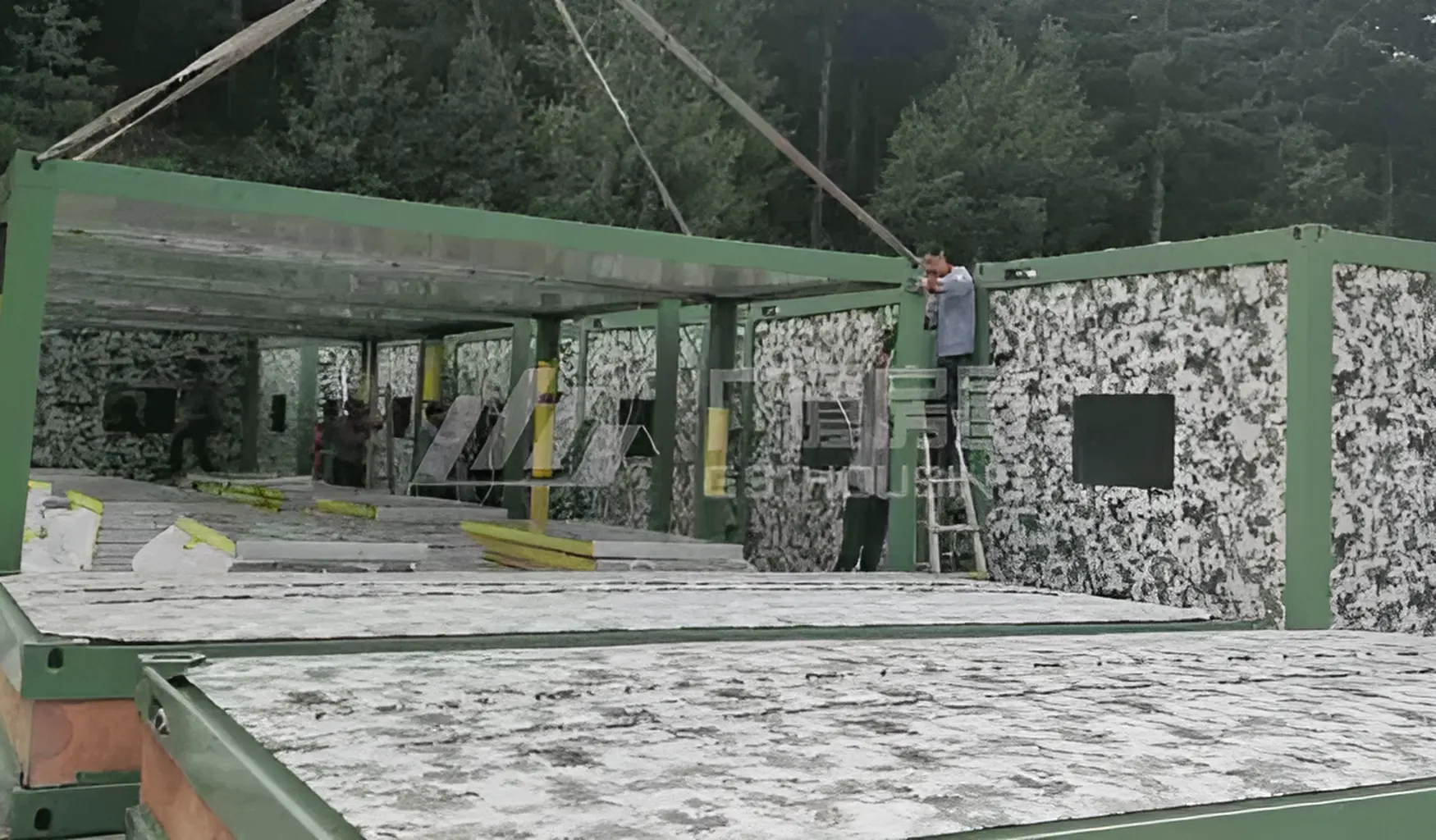
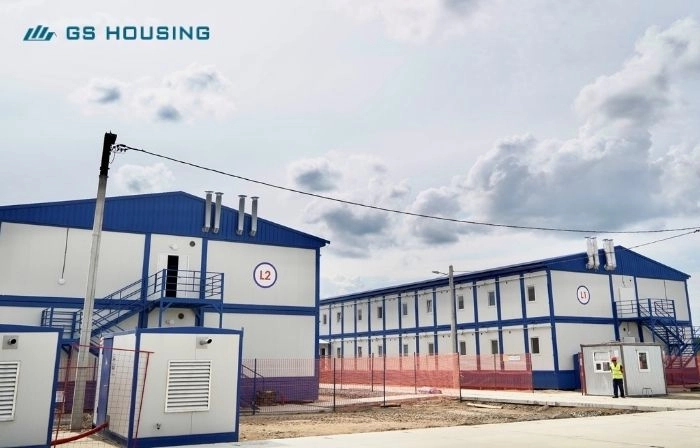
The project uses a steel structural system combined with flat pack container house technology. Each unit is prefabricated in a controlled factory environment to ensure standardized dimensions, structural stability, and consistent quality.
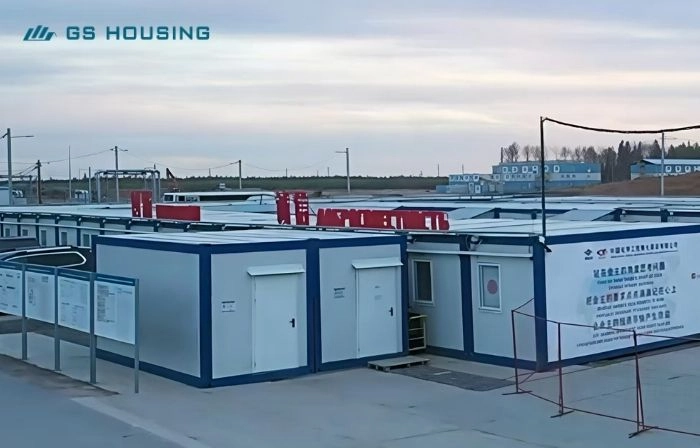
The modular units are designed for transportation efficiency, allowing them to be shipped to remote project sites without difficulty. Once delivered, the units are assembled on-site using standardized connection systems. This reduces the need for heavy construction work and shortens overall project preparation time.
The modular system also supports phased expansion. As the oil and gas project progresses, additional modules can be added to the camp, or existing layouts can be adjusted to accommodate changing workforce requirements.
This flexibility is a key advantage of the modular camp system in dynamic energy environments.
Functional Zoning – Structured Site Layout Design
A well-organized modular camp requires clear functional zoning to ensure operational efficiency and safety.
The site is typically divided into several key zones:
- Accommodation Zone– living quarters for workers
- Office Zone– project management and engineering coordination
- Dining Zone– centralized kitchen and meal service areas
- Service Zone– laundry, sanitation, and maintenance facilities
- Circulation Zone– internal walkways and access corridors
Each zone is carefully planned to ensure that different functions do not interfere with each other. This improves site management and creates a structured environment suitable for long-term energy project operations.
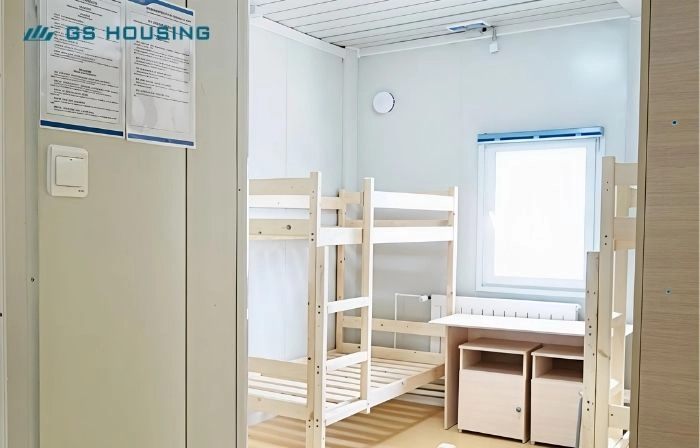
Worker Accommodation System – Living Conditions in Remote Sites
Worker Accommodation System – Living Conditions in Remote Sites
The accommodation modules are a core component of the modular camp system. They provide safe, stable, and functional living spaces for workers stationed in remote oil and gas fields.
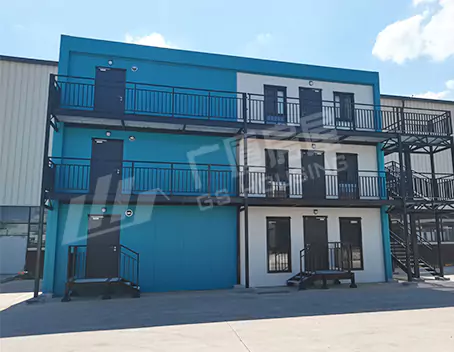
Each accommodation unit is built using insulated wall panels, steel structural frames, and integrated interior systems. These include ventilation systems, lighting, electrical wiring, and thermal insulation layers designed for different climate conditions.
Depending on project requirements, accommodation modules can be configured as single rooms, shared dormitories, or multi-room layouts. This flexibility allows the camp to support different workforce sizes and operational needs.
The goal of the accommodation system is to ensure that workers can maintain a stable living environment while working in challenging and remote conditions.
Office and Management Facilities – On-Site Coordination Center
Office and Management Facilities – On-Site Coordination Center
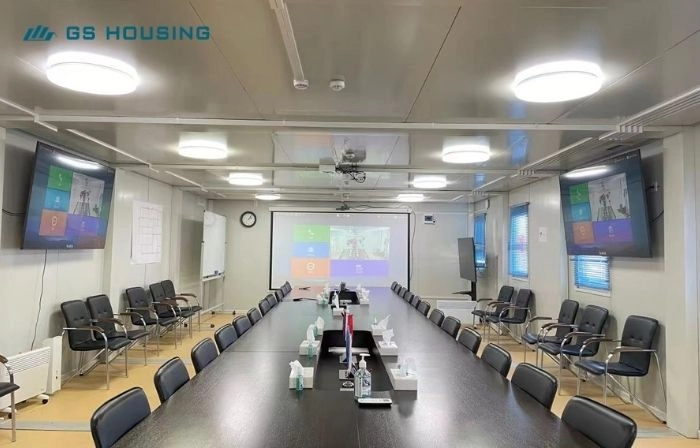
In addition to accommodation, the modular camp includes dedicated office modules that serve as the operational center of the oil and gas project.
These office spaces are used for engineering management, safety supervision, project coordination, documentation handling, and daily communication between teams.
Meeting rooms and conference spaces are also included within the office zone to support decision-making processes and technical discussions.
By integrating office facilities directly into the camp, project teams can operate efficiently without relying on external infrastructure, improving overall coordination speed and responsiveness.
Dining, Laundry, and Support Systems – Daily Life Infrastructure
Dining, Laundry, and Support Systems – Daily Life Infrastructure
A complete oil and gas field modular camp must include essential support facilities that ensure the daily needs of workers are met.
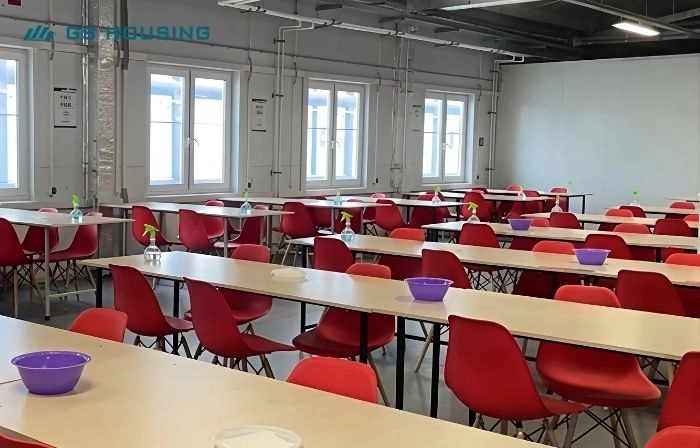
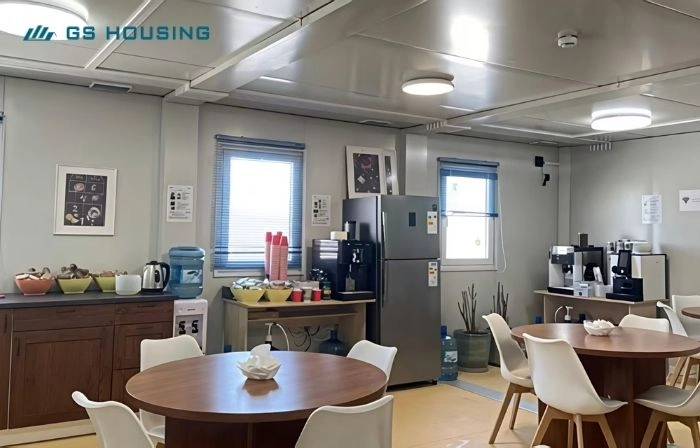
The dining system is designed to serve large numbers of workers, often operating in shift-based schedules due to continuous field operations. Industrial kitchen facilities support high-volume food preparation and distribution.
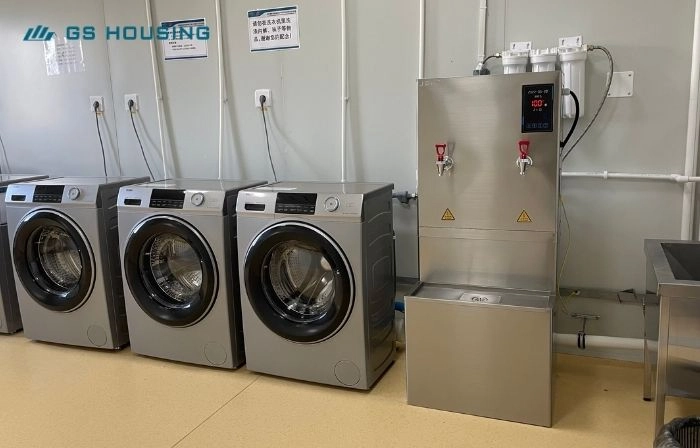
Laundry rooms are integrated into the camp system to maintain hygiene standards for work clothing and personal items. Sanitation facilities are distributed throughout the camp to ensure convenience and accessibility for all workers.
These support systems ensure that the camp operates as a fully functional living environment rather than just a temporary shelter.
Advantages of Modular Camp System
Advantages of Modular Camp System
The modular camp system provides several key advantages compared with traditional construction methods:
- Rapid deployment in remote areas
- Reduced on-site construction workload
- Flexible expansion and reconfiguration
- Reusable modular units for future projects
- Stable performance in harsh environments
- Efficient logistics and transportation system
These advantages make modular camps particularly suitable for oil and gas field operations, where time, mobility, and reliability are critical.
Application Scenarios – Oil and Gas Industry Usage
Application Scenarios – Oil and Gas Industry Usage
Modular camps are widely used in oil exploration sites, drilling operations, pipeline construction projects, refinery development zones, and remote energy infrastructure projects.
In all these scenarios, workforce teams require temporary but fully functional living and working environments that can be quickly deployed and adjusted.
The modular camp system ensures that energy companies can maintain operational continuity even in areas without existing infrastructure.
GS Housing Role in the Project
GS Housing Role in the Project
GS Housing provides integrated modular camp solutions for oil and gas field projects, including design, manufacturing, transportation, and on-site installation services.
The company delivers complete modular systems covering accommodation units, office buildings, dining halls, laundry facilities, and supporting infrastructure.
Through standardized production and modular engineering systems, GS Housing ensures consistent quality and reliable performance across different project environments worldwide.
Conclusion
Conclusion
The modular camp for oil and gas field project represents a highly efficient solution for remote energy development environments. By integrating accommodation, office, dining, and support facilities into a unified modular system, it provides a complete operational environment for field teams.
Through prefabricated modular construction and flat pack container house systems, GS Housing delivers scalable, flexible, and reusable camp solutions that support the demanding requirements of modern oil and gas projects.